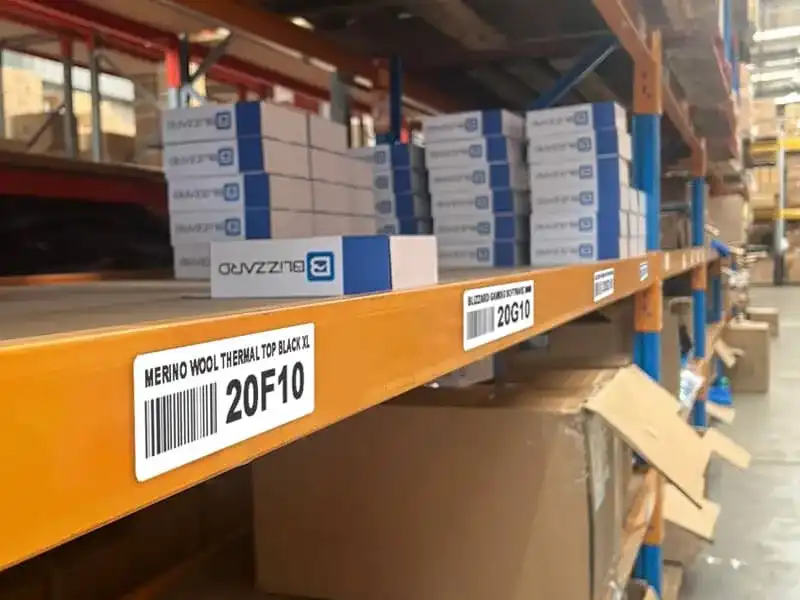


Warehousing and logistics operations, pallet racking systems are the backbone of efficient storage solutions. They allow facilities to maximize vertical space, improve inventory organization, and streamline access for material handling equipment.
However, one common question that frequently arises during installation or warehouse setup is:
“Do pallet racks really need to be bolted down?”
Some managers and operators may hesitate to anchor their racking systems because bolting to the floor adds to installation time and, in certain layouts, may reduce the flexibility to reconfigure racks quickly. Skipping the bolting process might seem like a convenient way to save time and increase adaptability.
The short answer is: YES — pallet racks should always be bolted to the floor.
Why Anchoring Pallet Racks Matters
Securing pallet racks with heavy-duty anchor bolts is not just a recommendation — it’s a critical warehouse safety practice. Proper anchoring ensures that the system remains stable under everyday use and during unexpected events, preventing accidents that can lead to injury, equipment damage, or inventory loss.
When pallet racks are firmly anchored:
- Stability is maximized. A bolted rack is far less likely to shift, tip, or collapse.
- Structural integrity is preserved. The system can handle accidental impacts from forklifts or pallet jacks.
- Risks are reduced in seismic zones. In earthquake-prone areas, bolting is often required by building codes to protect both people and goods.
Without proper anchoring:
- Racks can shift or sway during forklift operations.
- Even minor impacts could cause a dangerous tipping hazard.
- Unsecured racks pose a significant liability risk for warehouse owners and managers.

Protecting Employees and Operations
The safety of your team should be the top priority in any warehouse or distribution center. Forklifts, reach trucks, and other heavy equipment operate in close proximity to pallet racking systems every day. One accidental bump into an unanchored rack can cause the entire structure to become unstable or collapse.
- Employee injuries from falling goods or collapsing racks.
- High-value inventory loss, especially if the racks are holding fragile or expensive products.
- Operational shutdowns to assess and repair damaged systems.
- Costly legal and insurance claims stemming from preventable accidents.
Protecting Your Inventory and Equipment
In most warehouse operations, the majority of stock is stored on pallet racking. That means any structural failure could immediately impact a large portion of your inventory. A bolted-down rack resists tipping and structural deformation, keeping products securely in place.
- Minimized damage caused by collapsing racks.
- Reduced risk of chain-reaction failures, where one falling rack destabilizes others.
- Extended lifespan of racks and warehouse equipment due to reduced stress and movement.
Compliance with Warehouse Safety Standards
In many regions, building codes, fire regulations, and workplace safety standards require pallet racks to be anchored. In the United States, for example, Occupational Safety and Health Administration (OSHA) guidelines emphasize proper rack installation, including anchoring to the floor. In other countries and regions, similar safety codes exist.To maintain compliance:
- Regularly inspect racking systems for missing anchors, bolts, or damaged base plates.
- Replace missing or damaged hardware immediately.
- Maintain documentation for safety inspections to demonstrate compliance during audits.

How to Properly Anchor Pallet Rack Systems
Anchoring is not just about drilling a bolt into the floor — there is a correct method to ensure maximum safety and stability.
Steps for Proper Pallet Rack Anchoring:
- Choose the right anchor bolts. Heavy-duty wedge or expansion anchors are common choices, depending on your floor type.
- Mark and drill anchor points. Use precise measurements to match the holes in the base plates of the uprights.
- Install at least two bolts per upright foot plate to evenly distribute force and resist tipping.
- Torque bolts to manufacturer specifications to prevent loosening over time.
- Inspect after installation to ensure stability and compliance.

Get in touch with the team
While some warehouse teams attempt DIY installation, hiring an experienced Aceally material handling company yields better results:
- Expert installation to meet safety codes and manufacturer specifications.
- Faster, more efficient setup without compromising safety.
- On-site training for staff on safe racking use and maintenance.
- Reduced liability in case of workplace accidents.
Frequently Asked Questions (FAQ)
Q: Is bolting pallet racks to the floor really necessary?
Yes. Anchoring racks prevents tipping, ensures stability, and protects against accidents, especially when forklifts are used.
Q: Will bolting limit my warehouse layout flexibility?
Not significantly — racks can be unbolted and re-positioned when needed. The safety benefits far outweigh any inconvenience.
Q: How often should I check my rack anchors?
At least every six months, or immediately after any impact or seismic activity.
Q: Are there building codes related to pallet rack anchoring?
Yes. Many regions have legal requirements for anchoring pallet racks. Check local regulations and ensure compliance.
Conclusion
Bolting your pallet racking system to the warehouse floor is not optional , it is an essential safety, compliance, and operational best practice. Anchored racks safeguard employees, protect valuable inventory, meet legal requirements, and prevent costly accidents.