Pallet Racking Characteristics
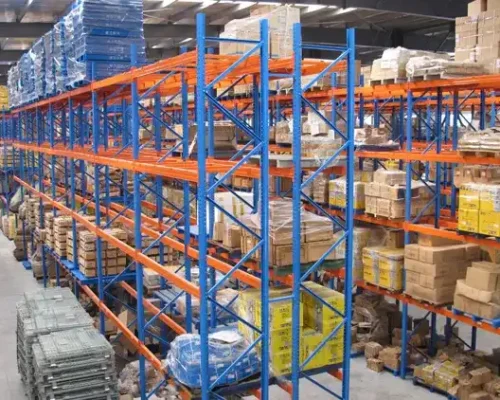
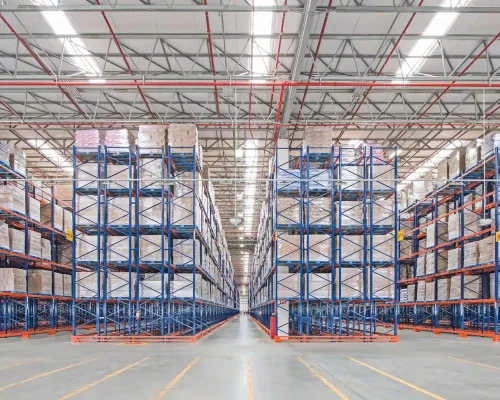
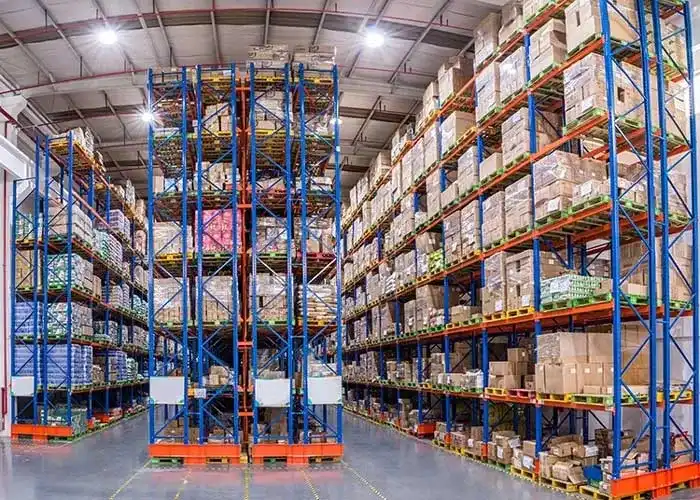
Pallet racking systems can improve storage efficiency and organization, helping businesses maximize vertical space.
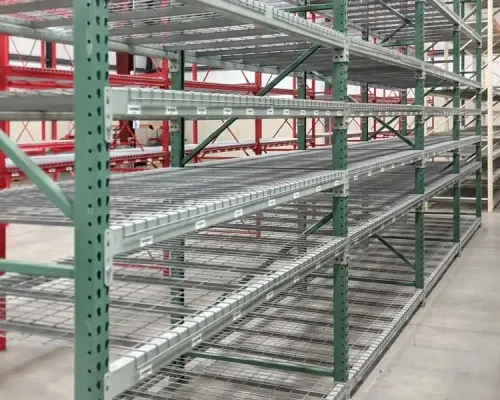
Pallet racking has an adjustable design that can accommodate a variety of pallet sizes and weights, providing flexibility to meet a variety of inventory needs. Pallet racking is made of strong materials such as steel, ensuring durability and the ability to withstand heavy loads.
Pallet racking systems also facilitate access to goods. With clear aisle spaces, workers can quickly access items, making operations more efficient. This convenience reduces labor costs and increases productivity.
Our Pallet Racking Systems

Double Deep Pallet Racking
Double Deep Pallet Racking is a storage system that allows pallets to be stored two deep in each rack.
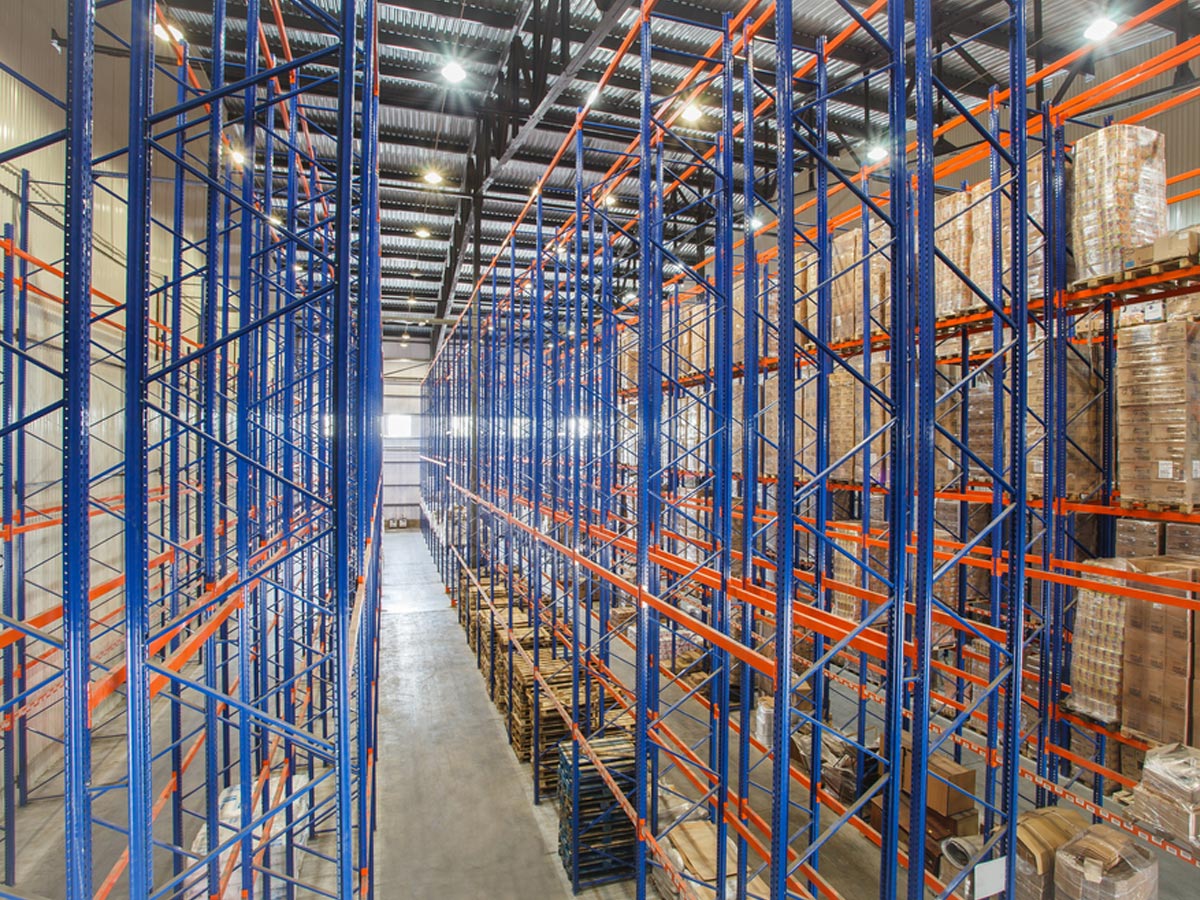
Selective Pallet Racking
Selective pallet racking is a storage system allowing easy access to pallets.

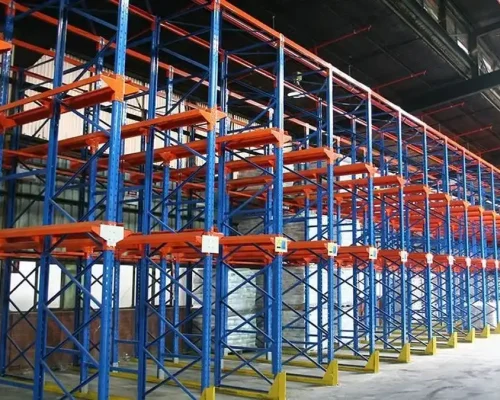
Drive-in Racking
Drive-in Drive Through Racking is a storage system allowing access from both sides.

Cantilever Pallet Rack
A cantilever pallet rack is a storage system designed for easy access and organization of long or bulky items

Wide Aisle Racking
Wide aisle racking refers to storage systems designed with spacious aisles, allowing easy access to goods.

Narrow Aisle/VNA Racking
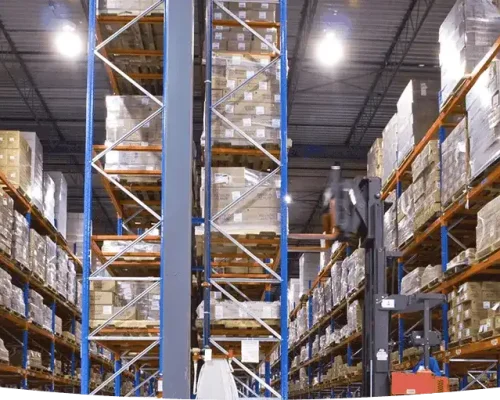
Narrow aisle/VNA racking maximizes storage efficiency in limited spaces, allowing forklifts to operate in tight aisles

Push Back Racking
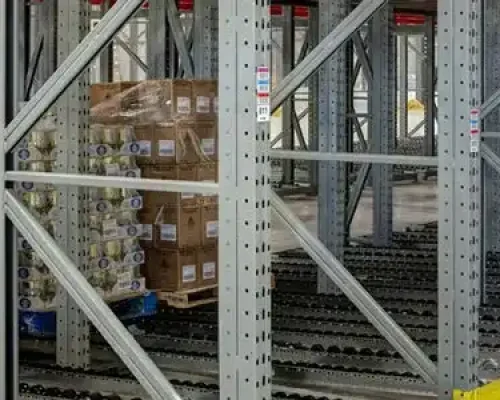
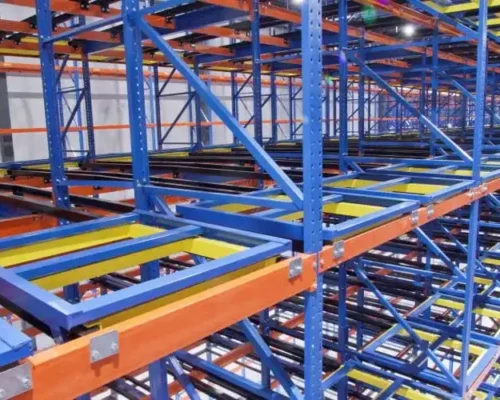
Push Back Racking is a high-density storage system that allows pallets to be stored and retrieved efficiently

Shuttle Racking
Shuttle racking is an advanced storage solution utilizing autonomous shuttles to optimize warehouse space
Advantages of Pallet Racking
✔︎ Pressure-free storage system: Pallets and their contents are not subject to any external pressure from adjacent goods, allowing for easy and independent access. This feature significantly increases work efficiency.
✔︎ Highly intensive utilization: These racks can fully utilize high-rise spaces, ensuring that both space and storage capacity are utilized to the maximum extent.
✔︎ Easy to assemble: With minimal components, the assembly process is quick and easy, and the racking system can be easily set up without the need for specialized tools or expertise.
✔︎ Highly scalable: It can be easily expanded as storage needs grow. Even in areas where adjacent areas are already loaded with goods, additional racks can be seamlessly integrated, ensuring adaptability and flexibility.
✔︎ Storage options: Pallets can be stored horizontally or vertically, providing flexible storage options to meet various operational needs and space configurations.
✔︎ Cost savings: If damage is caused by forklifts or other handling equipment, repairs are usually minimal and cost-effective, reducing overall maintenance expenses.
✔︎ Personalized requirements: We offer customizable solutions to meet specific storage needs and provide configurations tailored to address unique operational challenges and requirements.

FAQs
What Is Pallet Racking?
Pallet racking is one of the most commonly used systems for storing palletized goods in warehouses. It is versatile, simple in structure, easy to assemble and relatively low in cost. In addition, the unique design of the system allows direct access to each pallet, which greatly improves inventory management efficiency.
Advantages and Disadvantages of Pallet Racking
The main advantage of pallet racking is the ability to directly access each stored pallet. This feature ensures maximum flexibility in loading and unloading operations and helps to achieve efficient inventory management.
In certain cases, choosing this type of racking may limit storage capacity, especially when handling a small number of SKUs and a large number of pallets. In this case, it is usually recommended to choose a high-density storage solution. These solutions may include drive-in racking, pallet flow racking, and push-back racking.
What Are Standard Racking Dimensions?
Pallet racking dimensions can be customized according to the specific needs of each warehouse. The height of the rack can vary from a few meters to more than 40 meters. There is no strict limit on the length of the rack, as the racking units can be installed one by one.
However, clear safety passages must be maintained and internal passages must be set between the passages for easy access. The depth of the rack frame depends on the size of the pallet.