Plastic Pallets for Warehouse Material Handling
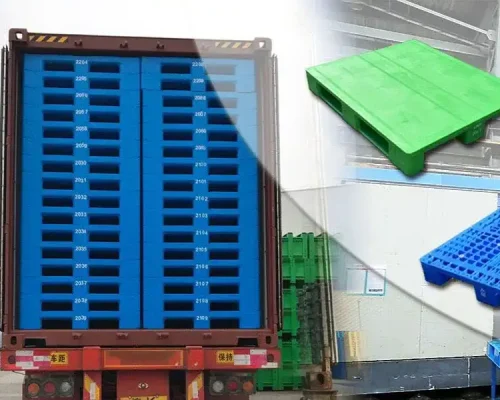
Efficiently transporting goods within a warehouse, factory, or distribution center requires the right equipment. Plastic pallets have become a valuable tool for businesses to streamline material handling processes. These versatile platforms provide a solid foundation for transporting products, ensuring smooth operations. But have you ever considered the advantages of plastic pallets over traditional pallets like wood or metal?
Unlike traditional pallets, plastic pallets offer durability, sustainability, and versatility. They are lightweight yet durable, moisture-resistant, and easy to clean, making them an ideal choice for industries with stringent hygiene standards.
Benefits of Plastic Pallets
Easy Maintenance
Plastic pallets require no treatment for mold, fungus, or insect repellent, making maintenance simple and easy.
Enhanced Safety
Plastic pallets feature a smooth, shatter-resistant design and lightweight construction, improving handling safety and reducing the risk of injury.
Durability
Plastic pallets are durable, resistant to damage, and provide reliable performance, minimizing replacement costs.
Environmentally Friendly Recycling
Plastic pallets can be effectively recycled after long-term use, turning them into new products and promoting sustainable recycling.
Categories

Nine-Legged Grid Plastic Pallet
Nine-leg designs feature nine uniform legs in place of runners, enabling pallets...
Send Inquiry Now
Key Considerations for Selecting a Plastic Pallet
- Do you plan to use the plastic pallet once or repeatedly?
- How often will you replace the pallet?
- How much cargo will the pallet carry?
- How does the packaging interact with the pallet’s surface?
- For rack storage, what is the maximum load the pallet needs to support during shelving?
- Does your pallet need to comply with standards such as USDA, FDA, or ISPM-15?
Advantages of Plastic Pallets
- Plastic pallets are designed for hygienic cleaning. They can be easily sterilized through high-temperature washing, steam cleaning, or disinfectant treatment.
- Plastic pallets reduce the risk of contamination from debris such as wood chips, wood splinters, or metal fasteners.
- These pallets are impervious to insects, microorganisms, mold, and various contaminants, and meet ISPM-15 compliance requirements.
- Plastic pallets offer a sleek, consistent appearance, enhancing applications where appearance and visual appeal are crucial.


Advantages of Plastic Over Wood
Plastic pallets maintain their shape without warping, shrinking, or splintering, ensuring reliability across diverse weather environments. They further reduce risks of item harm from embedded nails, screws, or hardware typical in wooden variants.
Shattered wooden pallet fragments may lead to significant hazards for forklift handlers and serve as potential pollutants.
Robust plastic pallets excel in enduring repeated forklift prong collisions, providing enhanced durability over substandard wooden substitutes.
While wooden pallets demand thermal processing and documentation for global logistics, plastic pallets qualify for ISPM-15 waivers, enabling straightforward transport without supplementary records or approvals.
FAQs
How Often Can Plastic Pallets Be Reused?
Traditional wooden pallets typically endure around a dozen cycles, but high-quality plastic pallets from Aceally can withstand up to 400 rotations before recycling.
Why Choose Aceally Plastic Pallets?
Aceally plastic pallets stand out for their excellent hygiene properties. Their durability and reliability make them ideal for increasing warehouse productivity.
Hygiene Issues with Wooden Pallets vs. Plastic Pallets
Wooden pallets are susceptible to moisture, which can harbor bacteria, pests, and mold, making them unsuitable for rigorous cleaning protocols.
In contrast, plastic pallets are easily disinfected, are highly resistant to contamination, and are constructed with high-quality components, reducing the need for frequent replacement.
Are plastic pallets toxic?
No, plastic pallets are safe and harmless, comply with safety regulations, and are widely used in the food and medical industries. Please contact us for details on their certification.