Within industrial storage systems, maintaining safety stands as a paramount concern. Every part integrated into a racking setup contributes significantly to fostering a secure and productive operational environment. Among these crucial elements, the safety pin represents a critical component whose fundamental role in accident prevention cannot be overstated.
Storage installations universally incorporate specialized components designed to maintain structural integrity and overall warehouse security. Engineers deliberately incorporate these parts to safeguard both the physical infrastructure and the personnel operating nearby. The safety pin serves as one indispensable safeguard specifically engineered for racking stability and protection.
I. What Is a Safety Pin?
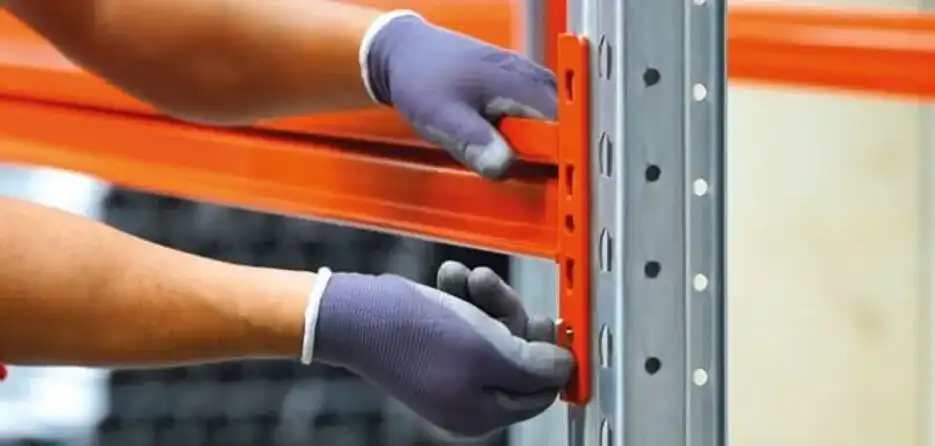
A safety pin serves as a durable component crucial for securing the vertical supports within industrial storage racking systems. Workers insert these pins into designated holes on the uprights and lock them firmly in place. This action effectively eliminates potential movement that might otherwise threaten the rack’s overall steadiness and the well-being of personnel nearby.

II. What Is the Safety Pin For?
The critical role of the safety pin is to stop the unintentional shifting of the racking system’s uprights. These vertical members bear the entire structure’s weight, making their precise alignment fundamental. Maintaining this correct positioning is vital for ensuring both the structural integrity of the rack and the safe, reliable storage of its contents.
Properly securing uprights with safety pins prevents the beam connector from accidental disengagement. This critical step eliminates unwanted lateral shifts or vertical displacement that could result from impacts, vibrations, or operational stresses. Consequently, the safety pin’s primary function is to guarantee exceptional structural stability and rigidity. It effectively locks components together, ensuring the assembly remains securely fastened.
Naturally, correct installation is paramount for these pins to achieve their intended purpose. Their effectiveness in maintaining joint integrity and overall structural security relies entirely on proper execution during setup.
III. Advantages of Safety Pins
Safety pins serve as indispensable components within storage racking systems, playing a vital role in upholding workplace safety, ensuring structural soundness, and meeting regulatory standards. The following points underscore the critical significance of safety pins for elevated rack configurations.
1. Ensures safety of warehouse staff
Worker safety remains a paramount priority across all industrial settings. Correct installation and use of safety pins in storage racking substantially mitigate the risk of severe incidents caused by structural failure. These devices effectively prevent catastrophic collapses that could lead to serious harm or fatalities. By firmly anchoring vertical supports, safety pins safeguard employees working in proximity to the racks, while also protecting others in the vicinity. This fundamental measure is crucial for maintaining a secure operational environment.
2. Structural Stability
Tall shelving systems in industrial or warehouse settings frequently encounter external pressures like vibrations, seismic shifts, or unintended impacts due to constant activity. By ensuring uprights remain correctly aligned and firmly anchored, securing pins bolster the framework’s overall steadiness.
This is vital for guaranteeing that the shelving can reliably bear the weight of stored goods, eliminating risks of deformation or failure.
3. Protection of materials and stored products
Securing pins play a critical role in shielding inventory and stored items. A shelving failure could inflict substantial harm on goods, leading to adverse financial consequences for businesses—not only through lost or damaged products but also via extra time and resources needed for cleanup and waste management.
Additionally, disruptions to production processes might delay deliveries and erode customer satisfaction. Maintaining rack stability with these pins helps avoid expensive property destruction and inventory losses.
4. Improves operational efficiency
Securing pins also contribute to improved operational efficiency in industrial environments. By upholding racking stability, they minimize the chance of workflow interruptions from accidents or equipment harm.
This enables smoother, more streamlined logistics, allowing companies to operate with heightened productivity, optimize performance, and cut down on unplanned
IV. Essential Guidelines for Safety Pin Installation in Racking Systems
Implementing safety pins correctly within industrial storage racking demands strict adherence to critical procedures for optimal security and performance.
1. Pin Quality and Suitability
Prioritize sourcing premium-grade safety pins specifically engineered for your racking configuration and anticipated load capacities. Substandard or mismatched components compromise structural safety.
2. Pin Compatibility Verification
Not all safety pin designs function universally. Carefully assess pin characteristics to guarantee compatibility with your racking structure’s specific connection requirements.
3. Thorough Individual Inspection
Conduct a meticulous visual and functional check on every single safety pin unit before installation. Never rely solely on batch sampling. Immediately discard any pin exhibiting cracks, deformities, or imperfections.
4. Precise Placement Technique
Ensure each safety pin is inserted fully and accurately into the designated upright profile holes. Consistent, correct alignment is non-negotiable for effective load-bearing security.
5. Scheduled Inspection Regime
Establish a routine inspection schedule for both the racking framework and all installed safety pins. Proactive identification and resolution of wear, damage, or loosening are vital for ongoing safety.
6. Mandatory Pin Usage
Every critical connection point within the racking system must be secured with an appropriate safety pin. This is a fundamental safety requirement, not optional, enhancing overall structural integrity.
7. Certified Components Only
Given the vast array of suppliers, insist on utilizing exclusively certified safety pins from reputable manufacturers. Certification is paramount for ensuring component reliability and system safety.
As specialists in industrial racking system design and manufacturing, Aceally Racking prioritizes structural integrity and operational safety above all. Our team recognizes these critical elements as foundational to every warehouse solution we develop.
For expert guidance on industrial racking tailored to your specific facility or to obtain a detailed quotation, please Contact Us. Our dedicated specialists are ready to provide a personalized assessment and recommend the optimal material handling system to optimize your warehouse layout and capacity.