What are Supermarket Shelves?
Supermarket shelves are a type of retail fixture specifically designed for organizing, displaying, and storing products in a grocery store or supermarket setting.
Their primary purposes are to:
- Organize Merchandise: They allow for the systematic arrangement of products by category (e.g., canned goods, snacks, beverages), making it easy for customers to find what they need.
- Maximize Space: They utilize vertical space efficiently, enabling stores to stock a large volume and variety of goods within a limited footprint.
- Showcase Products: They act as a marketing tool, presenting items in an appealing and accessible way to encourage purchases.
- Ensure Accessibility: They are designed to make products easy for customers to see, reach, and retrieve.
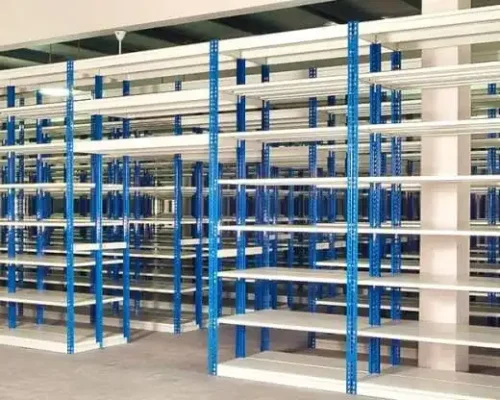
These shelves are typically made from durable materials like metal (steel is common) to handle heavy loads, and they often feature adjustable components to accommodate products of different sizes and shapes. Common types include gondola shelving (the double-sided aisles in the center of the store), wall shelving, and end caps (displays at the end of aisles).
Shop Our Bestselling Displays


Supermarket Shelving Solutions Tailored to Your Store
Supermarkets need shelving systems that perfectly complement their unique layout, product range, and business objectives. Aceally offers customized supermarket shelving solutions designed to maximize space utilization while enhancing functionality and visual appeal.
Our custom supermarket shelving solutions cater to a variety of needs, offering flexible sizes, finishes, and configurations. Adjustable components facilitate reconfiguration to meet evolving inventory requirements. Whether your store needs freestanding shelving, wall-mounted shelving, or a unique design to suit a specific space, we will work closely with you to develop a shelving system perfectly tailored to your specifications.
Benefits of Customized Supermarket Shelves

Sizes and Specifications
Choosing the right supermarket shelving is a crucial foundational step, depending on your store’s unique layout and specific needs. While standard sizes are typically 90 to 120 cm wide and 150 to 210 cm high, a more effective strategy is often to use custom sizes to better utilize space. To truly maximize the visual appeal of the retail environment, reduce potential crowding, and promote smooth customer flow, shelving must perfectly fit the designated area. This careful planning leads to a superior browsing experience and creates a more pleasant shopping atmosphere. The way shelving is arranged will significantly improve the shopping experience, attracting customers and keeping them engaged.

Material and Aesthetic Choices
When choosing shelving materials, the goal is to find the perfect balance between durability and aesthetics. For example, metal shelving is popular due to its high strength and durability. Paired with wood elements, it can create a more upscale visual effect. On the other hand, if cost-effectiveness and lightweight are primary considerations, plastic shelving is a viable option. Choosing the right shelving material to match your store’s brand image is crucial; this decision will have a profound impact on the overall image of the store and help attract potential customers.
Supermarket Shelves Series

| Model: HD-01 | Standard Size (mm) | Upright (mm) | Shelves (mm) | Back Panel (mm) | Bracket (mm) |
|---|---|---|---|---|---|
| Single Sided | 1200 * 500 * 2000 | 30 * 70 * (T: 2.0-2.5) 30 * 80 * (T: 2.0-2.5) | T: 0.6-0.8 | T: 0.5-0.8 | T: 2.5-3.0 |
| Double Sided | 1200 * 1000 * 1800 | ||||
| End Unit | 1000 * 500 * 1800 |

| Model: HD-02 | Standard Size (mm) | Upright (mm) | Shelves (mm) | Back Panel (mm) | Bracket (mm) |
|---|---|---|---|---|---|
| Single Sided | 1200 * 500 * 2000 | 40 * 60 * (T: 1.8-2.0) 40 * 80 * (T: 1.8-2.5) | T: 0.6-0.8 | T: 0.4-0.6 | T: 2.0-2.5 |
| Double Sided | 1200 * 1000 * 1800 | ||||
| End Unit | 1000 * 500 * 1800 |

| Model: HD-03 | Standard Size (mm) | Upright (mm) | Shelves (mm) | Back Panel (mm) | Bracket (mm) |
|---|---|---|---|---|---|
| Length | 665, 1000, 1250, 1330 | 30 x 30 x T: 2.5 30 x 60 x T: 2.5 30 x 80 x T: 2.5 30 x 90 x T: 2.5 30 x 100 x T: 2.5 | T: 0.7-0.8 | Perforated T: 1.0-1.2 Plain T: 0.6-0.8 | T: 2.5-3.0 |
| Width | 300, 370, 470, 570, 670 | ||||
| Height | 1310, 1710, 2110, 2510 |

| Model: HD-10 | Standard Size (mm) | Upright (mm) | Shelves (mm) | Back Panel (mm) | Bracket (mm) |
|---|---|---|---|---|---|
| Single Sided | 900 x 450 x 1800 | 30 x 60 x 1.5 | T: 0.5~0.7 | T: 0.4~0.6 | T: 2.0~2.5 |
| Double Sided | 900 x 900 x 1600 | ||||
| End Unit | 900 x 450 x 1600 |

| HD-18 | Standard Size (mm) | Upright (mm) | Shelves (mm) | Back Panel (mm) | Bracket (mm) |
|---|---|---|---|---|---|
| Single Sided | 1200 x 500 x 2000 | 30 x 70 x (T: 2.0-2.5) 30 x 80 x (T: 2.0-2.5) | T: 0.6-0.8 | T: 0.5-0.8 | T: 2.5-3.0 |
| Double Sided | 1200 x 1000 x 1800 | ||||
| End Unit | 1000 x 500 x 1800 |
| HD-11 | Standard Size (mm) | Upright (mm) | Shelves (mm) | Back Panel (mm) | Bracket (mm) |
|---|---|---|---|---|---|
| Single Sided | 1200 x 500 x 2000 | 30 x 70 x (T: 2.0-2.5) 30 x 80 x (T: 2.0-2.5) | T: 0.6-0.8 | T: 0.5-0.8 | T: 2.5-3.0 |
| Double Sided | 1200 x 1000 x 1800 | ||||
| End Unit | 1000 x 500 x 1800 |
Care and Maintenance Tips
Step 1: Perform Regular Cleaning
The foundation of proper care is regular cleaning, which keeps shelves clear of dust and stains. A soft, damp cloth is effective for everyday dirt and minor spills. For tougher stains, a mild, non-abrasive cleaner should be used. You must avoid harsh chemicals and abrasive tools, as damage to the surface finishes can occur, impacting the lifespan and appearance of the shelving.
Step 2: Carry Out Routine Inspections
Conducting periodic inspections allows you to find minor issues before they worsen. Look specifically for loose screws, bolts, and brackets. It is also important to inspect for any new scratches, dents, or parts that are misaligned. Addressing these findings by tightening loose connections or replacing damaged components is a proactive approach to ensure the shelves continue to be safe and functional.
Step 3: Ensure Proper Weight Distribution
Always distribute products in an even manner across the shelves to avoid putting uneven strain on the overall structure. The integrity of the shelving can be compromised by overloading, which affects its durability and safety. You should always stick to the recommended weight capacity of each unit to ensure it performs as intended.
Step 4: Handle Repairs Immediately
Should any part of the shelving become worn out or sustain damage, it is critical to take immediate action to fix or replace it. Quick repairs are essential to minimise downtime and stop more significant issues from occurring, which keeps your shelving systems in a reliable and working condition.
Step 5: Implement a Maintenance Schedule
By establishing a consistent schedule for all cleaning and inspection tasks, upkeep will become a standard part of your operations. Checks performed on a weekly or monthly basis are generally sufficient for maintaining the professional appearance and the functional efficiency of the shelves.
Applications for Supermarket Shelves

Pharmacy Shelving

Confectionery Shelving

Convenience Store Shelving

Shelves for Shops
supermarket rack manufacturers
We manufacture a wide range of supermarket display racks including wall racks, center gondola racks, end racks, corner racks, and promotional display stands.
What are supermarket shelves called?
The most common industry term for the freestanding shelving units you see in the middle of aisles is “gondola shelving” or simply “gondolas.” You might also hear them referred to more generally as “retail shelving” or “display units,” but “gondola” is the specific name for those double-sided aisle fixtures.
What are the shelves in grocery stores called?
In a grocery store setting, the main aisle units are also known as “gondolas.” However, you’ll find a variety of specific shelving types. The displays at the very end of an aisle are called “end caps,” which are prime spots for promotions. Shelving fixed against the store’s perimeter is often referred to as “wall units” or “wall shelving.” Additionally, you’ll see specialized fixtures for different departments, like produce bins, bakery racks, or refrigerated cases.
Do supermarkets sell shelf space?
Yes, absolutely. Gaining a spot on a supermarket shelf, especially a prime location like at eye-level or on an end cap, is highly competitive. Brands often pay what are known in the industry as “slotting fees” or “listing fees” just to get their products placed. Think of it as paying rent for premium real estate. These fees help the supermarket cover the costs and risks of bringing in a new, unproven product. The arrangements can also include agreements for promotions or marketing support instead of just a direct cash payment.
What time do supermarkets stock shelves?
While it can feel like a continuous process, the bulk of the work is done when the store is least busy. The major restocking happens overnight. After the store closes, teams of night-shift workers unload deliveries and completely refill the shelves for the next day. This is the most efficient way to handle large volumes without disrupting shoppers.
That said, you’ll also see employees stocking shelves during the day. This is usually to “top up” high-turnover items like bread, milk, and fresh produce, or to quickly fill a gap in a popular product that sold out faster than expected.