When it comes to optimizing warehouse storage, pallet racking is essential to improving warehouse storage efficiency. Understanding the associated cost factors is essential to making an informed decision that meets your budget and storage needs.
In this guide, we’ll look at various pallet racking configurations and analyze these key elements. We’ll also explore how storage requirements, warehouse space optimization, installation expenses, and labor costs affect overall pricing to provide practical advice for affordable choices.
In addition, we’ll cover tailored options and adaptability to optimize your investment. By the end of this article, you’ll have a clear understanding of the main cost factors associated with pallet racking, allowing you to choose a solution that meets your specific needs and financial constraints.
So, let’s dive into the question of pallet racking costs! What does it really cost to implement these systems?
I. Questions About Warehouse Racking Costs
Let’s explore the basic questions and information needed to accurately estimate racking costs, as well as the key factors to consider before making a decision. Here are some key points to consider:
- What type of racking system do you need? The cost of a racking system can vary greatly depending on the type you choose. Including selective racking, drive-in racking, push-back racking, and so on. Each system has its own cost structure, so it is important to determine the type that suits your needs.
- What are your storage needs? It is important to understand your storage needs. Consider factors such as the size and weight of the items you plan to store, the number of pallet positions required, and any special storage conditions (such as refrigeration or hazardous materials).
- How much space is available? The size and layout of your warehouse or storage facility will affect the cost of the racking system. Evaluating your available space and its configuration can help determine the right racking system and the number of items required.
- Do you need any additional features or accessories? Racking systems can be customized with accessories such as metal mesh racks, pallet supports, column protection devices, and safety guardrails. While these additional features can enhance safety and functionality, they may increase the total cost.
- Are there specific installation requirements? Consider whether you will need specialized installation services, such as seismic compliance or professional project management. These factors can impact the total installation cost.
- Are there local regulations or building codes that need to be adhered to? Depending on your location, there may be specific regulations or codes that affect the design and installation of your racking system. Ensuring compliance is critical to avoiding additional costs or issues.
- What is your budget? Having a clear budget in advance is essential to understanding what is feasible. This helps you allocate financial resources effectively and make decisions that are consistent with your investment capabilities.
By answering these questions, you can better estimate the total cost of your racking system and ensure that your investment meets the needs of your operation.
II. Types of Pallet Racking Systems
There are many types of pallet racking systems designed to maximize storage efficiency and enhance inventory management. Let’s take a closer look at the different options and analyze their benefits and cost considerations.
Selective pallet racking is a popular option that allows for easy access to individual pallets. The system helps maximize storage density while ensuring quick retrieval of specific items. Factors that affect the cost of selective pallet racking include pallet size, weight capacity, and total storage capacity required.

Drive in racking systems allow for high-density storage by allowing forklifts to enter the racking structure to place pallets. This setup is ideal for storing large quantities of uniform products. Cost considerations for drive-in racking include the number of pallet positions and whether a dedicated forklift is required to operate the system.
Push back racking systems store multiple pallets in depth, increasing storage capacity. They use a “last in, first out” (LIFO) retrieval method, which is ideal for high turnover products. The cost of push-back racking is affected by factors such as the number of pallet positions and the degree of customization required.
Pallet flow racking systems use gravity to move pallets from the loading end to the unloading end, thereby optimizing space and facilitating product turnover. Cost considerations for this system include the number of layers, flow path length, and required weight capacity.
Now that we understand the options, let’s take a closer look at the cost factors associated with each system to help you make an informed decision.
III. Factors Affecting the Cost of Pallet Shelving Systems
The total cost of a pallet racking system is affected by a variety of key factors. Let’s explore the key factors that affect the cost of pallet racking.
✔ Storage requirements and pallet placement are key factors that affect cost. The size, weight, and number of pallets you need to store are the basis for determining the necessary configuration and capacity of the shelf system. These factors play a vital role in the total cost.
✔ Warehouse space and floor utilization. The efficiency of warehouse space utilization (especially vertical space) has a significant impact on cost. Maximizing vertical space and optimizing floor space will affect the type and layout of the shelf system you choose.
✔ The density of stored products and the required storage capacity will both affect cost. Systems designed for high-density storage, such as double-depth or high-density solutions, may have different cost impacts than standard selective shelves.
✔ Seismic zones and structural considerations. In earthquake-prone areas, it is critical to meet seismic standards and take additional reinforcement measures. Compliance with seismic regulations will affect the total cost of the pallet shelf system.
✔ Installation and labor costs. The complexity of the installation process and the need for professional labor will increase costs. Custom designs or the need for a professional installation team may also increase the total cost.
✔ When evaluating the total cost of your system, be sure to factor in the expense of accessories such as metal mesh, post guards, or safety devices. These additional equipment will increase the total investment.
By understanding these factors, you can explore cost-effective solutions to optimize your investment and find the ideal storage solution for your needs.
The total cost of a pallet racking system depends on several key factors. Understanding these factors can help you make an informed decision and optimize your investment. Let’s dive into the key factors that influence the cost of a pallet racking system.
Price Range
The cost of a pallet racking system can vary based on factors such as steel prices, market demand, and supply chain conditions. For any discussion of racking costs, it’s important to provide a cost range to set realistic expectations. The following information focuses on material costs, as installation expenses can vary widely.
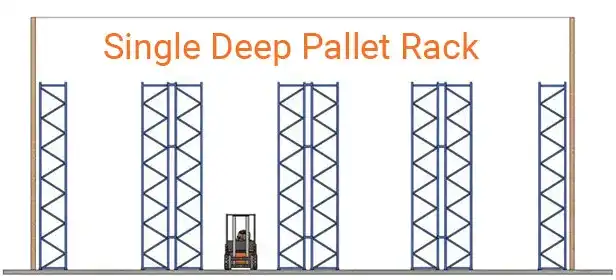
Single Deep Pallet Racking
Single deep pallet racking is composed of individual compartments that allow for easy access and flexibility. This simple design is particularly popular with small and medium-sized warehouses, making it one of the most popular storage solutions.
Cost Range: $50 to $200 per pallet location.
Double Deep Pallet Racking
Double deep pallet racking increases storage capacity by adding an additional row of pallets within each rack. While this configuration may slightly reduce visibility and accessibility compared to single-deep racking, it significantly increases product density, making it an excellent choice for maximizing storage space without compromising efficiency.
Cost range: $80 to $300 per pallet location.
Gravity Flow Racking
Gravity flow racking is ideal for warehouses that prioritize a first-in, first-out (FIFO) inventory system. This efficient solution allows new pallets to be loaded from the rear, allowing old inventory to move forward for easy forklift access.
Cost range: $150 to $450 per pallet location.
Guards
To protect individual racks from potential damage from forklifts, guards such as post protectors and bumpers are installed in warehouses. These safety devices are especially important in environments with limited space to ensure the longevity and integrity of the racking system.
By preventing accidents and maintaining the structural integrity of the racks, these guards contribute to a safer work environment and reduce the risk of costly repairs or replacements.
Cost range: $50 to $100 per unit.
While these price ranges are provided as a guide, it is recommended that you obtain a custom quote to obtain an exact price, as the specific needs of each business vary.
IV. Pallet Racking Solutions
Implementing cost-effective pallet racking solutions is essential to maximizing storage efficiency within your budget. Let’s dive into strategies and solutions that can help you achieve this goal.
Evaluating cost-saving measures is essential. By assessing your specific storage needs and considering factors such as pallet size, load capacity, and inventory turnover, you can find opportunities to optimize costs without compromising functionality.
Exploring affordable storage solutions can provide significant benefits. Certain pallet racking systems strike a balance between cost and functionality, providing efficient storage solutions at a more affordable price.
Another affordable option is to consider used racking systems. Although these systems are second-hand, they still provide reliable performance and can provide significant cost savings compared to newly installed systems.
Customization plays a vital role in cost optimization. By working with experienced professionals, you can design a racking system that fits your specific needs, avoid unnecessary expenses, and maximize efficiency.
Having discussed cost-effective solutions for racking, let’s now explore the importance of customization and adaptability to further optimize your investment and find the storage solution that best meets your needs.
V. Customization and Adaptability
Customization and adaptability are two key factors to consider when designing a racking system. By tailoring a system to your specific needs, you can maximize storage capacity, streamline operations, and minimize unnecessary expenses. Let’s take a deeper look at why customization and adaptability are so important.
Custom racking solutions allow you to create a system that fits perfectly with your warehouse layout, product size, and operational needs. By working with experienced professionals, you can develop a custom solution that optimizes storage space and ensures efficient inventory management.
Adaptability is essential to future-proofing your investment. As your business grows, your storage needs may change. Choosing a racking system that is flexible and adaptable allows you to make modifications or expansions without major disruption or additional costs.
With a variety of racking styles, such as cantilever or teardrop, you can choose the most appropriate option for your specific needs and product types.
VI. Warehouse Racking Cost Conclusion
In summary, understanding the costs associated with racking systems is essential to making informed decisions and optimizing your storage solutions. By evaluating factors such as storage requirements, warehouse space, and installation costs, you can find a cost-effective solution that meets your specific needs.
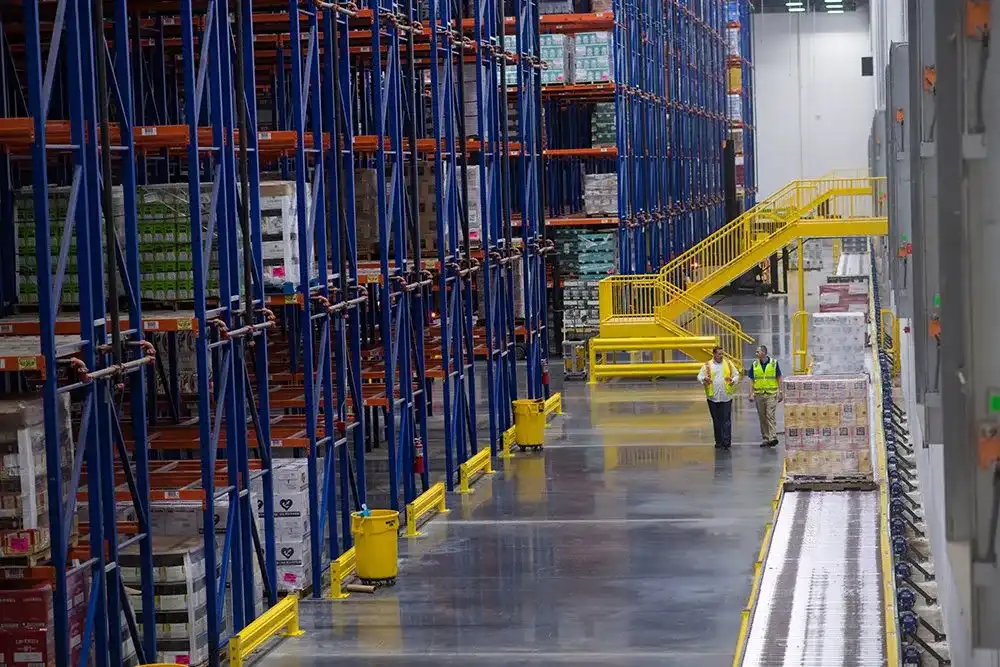
Explore the various types of racking systems that allow you to choose the best fit based on your storage capacity and density needs. Customization and adaptability are key to maximizing the efficiency of your racking system and future-proofing your investment.
By carefully evaluating cost-saving measures and considering affordable options or second-hand racking systems, you can achieve a cost-effective solution. It is essential to work with experienced professionals who can provide custom designs and reliable installation services.
Finding the right racking system and optimizing its cost-effectiveness can enhance warehouse operations, improve inventory management, and maximize storage space utilization.
VII. Conclusion
In summary, investing in racking is a strategic decision that requires a comprehensive understanding of the associated costs and factors that influence it. With the knowledge gained in this article, you will be able to make an informed decision and find a racking solution that meets your business needs.
Now that you have a deep understanding of racking costs and considerations, it is time to take the next step and consult with a professional. They can assist you in designing and implementing the ideal racking system based on your specific needs.