

When you think of supermarket racks, the image that likely comes to mind is the familiar gondola shelving found in most stores. However, the term “supermarket racks” encompasses a broad range of shelving systems used in retail environments, each designed for specific purposes.
In this article, we’ll dive into the different types of supermarket racks, highlight their unique features, and explain where they are typically placed to optimize the shopping experience.
What are the different types of supermarket racks?
Supermarket racks come in various designs, each tailored to meet specific merchandising needs. Below, we explore the most common types, their differences, and their ideal placements within a store.
1. Gondola Shelving
Gondola shelving is the backbone of most supermarkets. These versatile, double-sided racks are typically placed in the center of the store, forming aisles that guide customers through the shopping experience.
They are sturdy, adjustable, and ideal for displaying a wide range of products, from canned goods to snacks.
Their modular design allows retailers to customize shelf heights and layouts to suit different product sizes, making them a go-to choice for maximizing floor space.

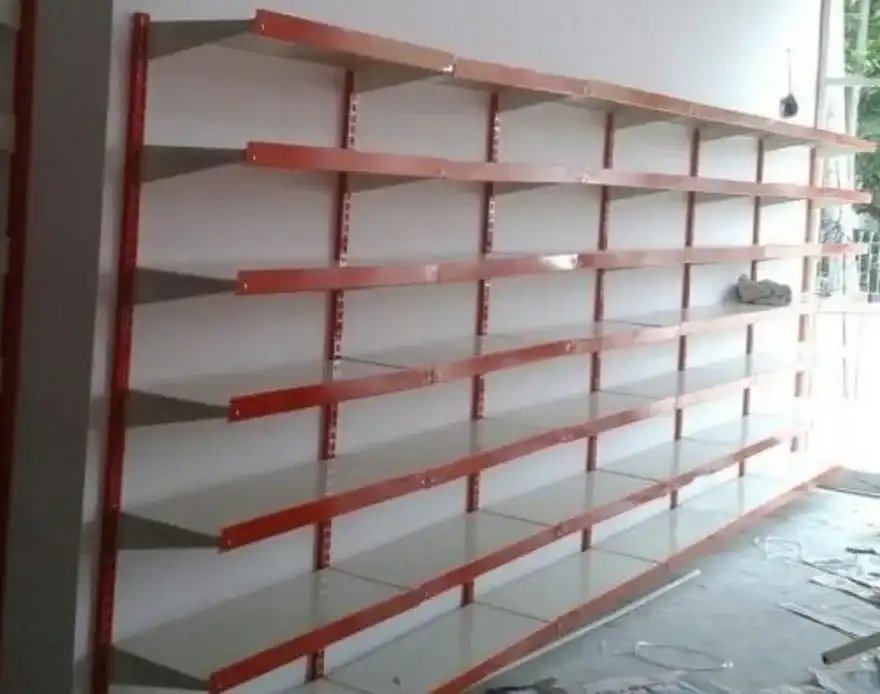
2. Wall Shelving
Wall shelving is mounted along the perimeter walls of a supermarket. These single-sided racks are perfect for showcasing items like household goods, personal care products, or specialty foods.
Wall shelving is designed to save space while keeping products easily accessible. Retailers often use these racks for high-margin items or promotional displays to attract customer attention as they navigate the store’s perimeter.
3. End Cap Racks
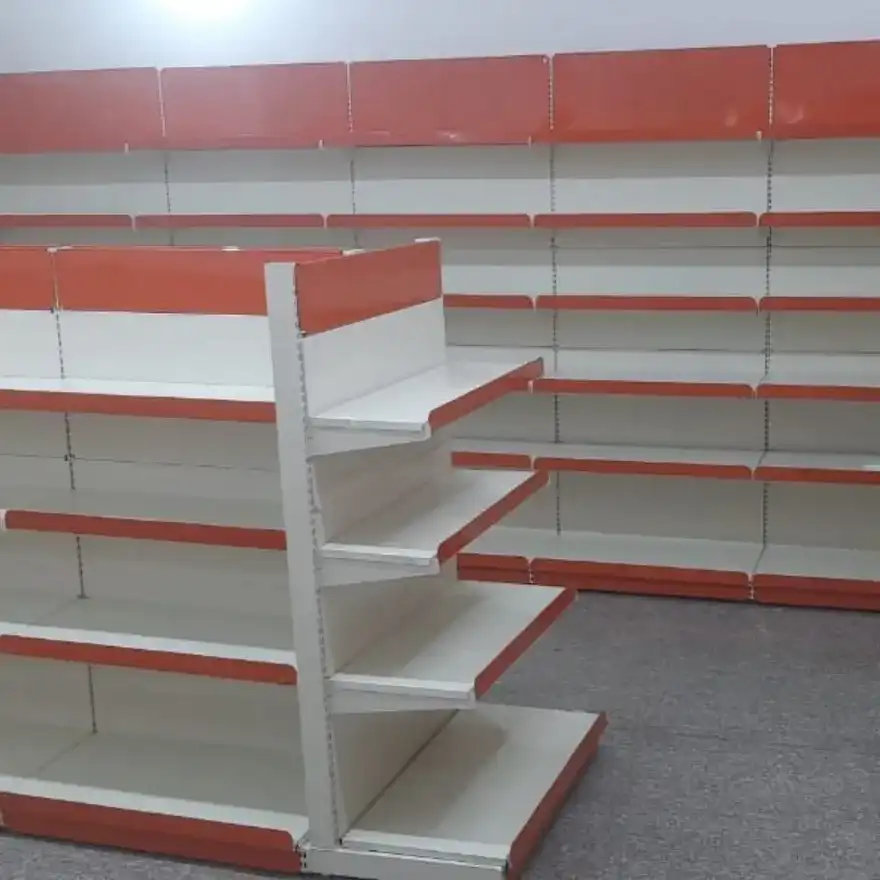
End cap racks are positioned at the ends of gondola aisles, serving as prime real estate for promotional or seasonal items.
These racks are highly visible, making them ideal for highlighting new products, limited-time offers, or high-demand goods. Their strategic placement ensures they capture the attention of shoppers as they transition between aisles.
4. Refrigerated Display Racks
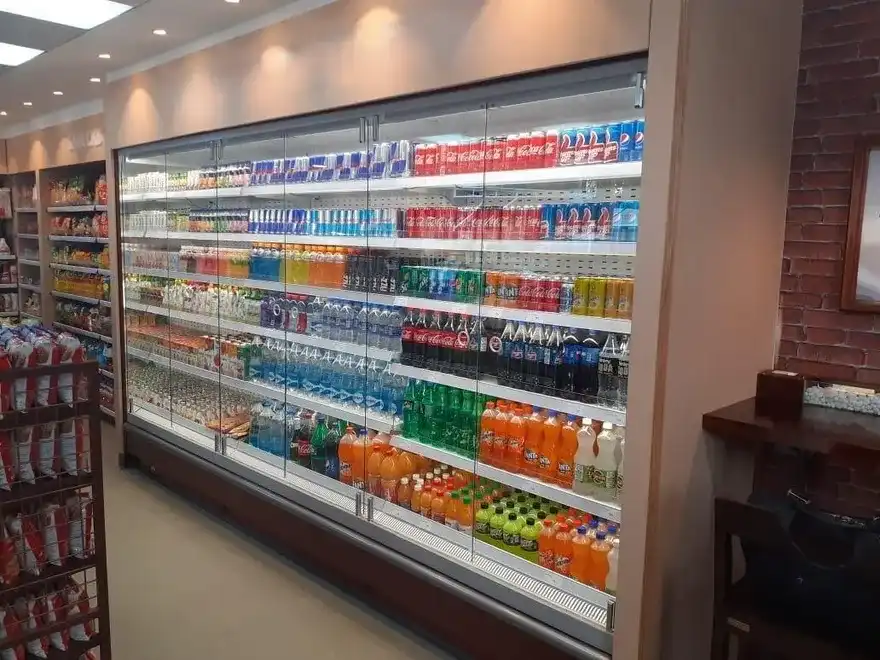
Specifically designed for perishable goods, refrigerated display racks are used for items like dairy, meat, or frozen foods.
These racks feature built-in cooling systems to maintain optimal temperatures and are typically placed in dedicated sections of the store, such as near the back or along a side wall.
Their glass doors or open designs allow customers to view products clearly while ensuring freshness.
5. Bulk Display Racks
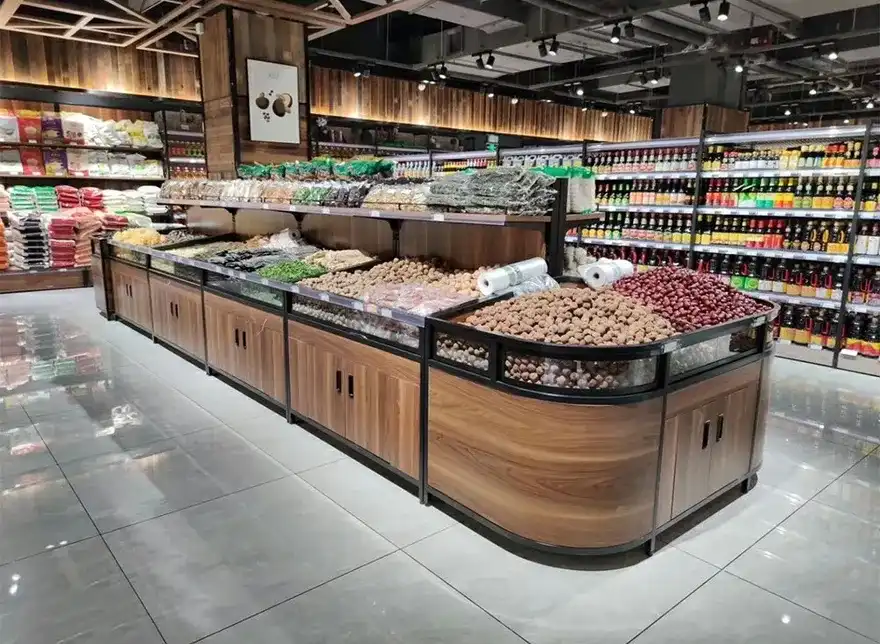
Bulk display racks are built to handle large quantities of products, such as fresh produce, grains, or discounted items sold in bulk.
These racks are often found in the produce section or near the store’s entrance to create an inviting, abundant display.
Their sturdy construction supports heavier items, and their open design encourages customers to pick and choose their desired quantities.
6. Pegboard Racks
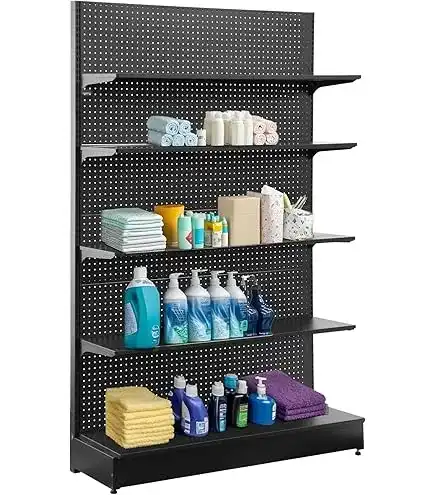
Pegboard racks feature perforated panels with hooks or pegs, allowing retailers to hang small, lightweight items like accessories, snacks, or tools.
These racks are highly customizable, enabling stores to adjust the arrangement of hooks to fit various product sizes.
Pegboard racks are often used in high-traffic areas or near checkout counters to encourage last-minute purchases.
7. Specialty Racks
Specialty racks are tailored for unique product categories, such as wine, bakery items, or electronics.
For example, wine racks may feature angled shelves to display bottles attractively, while bakery racks often include open trays for fresh bread or pastries.
These racks are placed in dedicated sections of the store, ensuring that niche products are showcased in a way that highlights their appeal and encourages sales.
Why is the type of Racks so important
Choosing the right type of supermarket rack is crucial for retailers aiming to optimize their store layout and improve customer satisfaction. Each rack type serves a unique purpose, from maximizing product visibility to ensuring efficient use of space.
By understanding the unique benefits of each rack type, retailers can design a store layout that maximizes space, encourages exploration, and boosts profitability.
Conclusion
supermarket racks is far more than a simple storage solution, it’s an integral part of the retail environment. From multi-purpose shelves that form the backbone of a store’s layout, each type of shelving has its own unique purpose.
By understanding the different types of supermarket racks, retailers can optimize their store layout to meet customer needs and stay ahead in a competitive market.
If you have more information about supermarket racks or are looking for a professional supermarket racks manufacturer, please contact us!