

1. What Are the Advantages of Using Plastic Pallets?
- Enhanced Durability: Plastic pallets are significantly sturdier and have a much longer lifespan compared to their wooden counterparts.
- Consistent Dimensions: They offer standardized and uniform sizes and weights, minimizing disruptions in automated systems.
- Improved Hygiene: Plastic pallets are ideal for sanitized environments due to their resistance to moisture, fungi, and mold, ensuring a cleaner and safer option.
- No Debris: Unlike wooden pallets, they don’t produce wood chips or loose nails, eliminating the need for frequent cleanups.
- Load Protection: Free from splinters or protruding fasteners, plastic pallets reduce the risk of damaging goods.
If you’re contemplating transitioning to plastic pallets, rest assured this choice doesn’t have to be overwhelming. we’re here to simplify the process and address any concerns you may have.
We’ve compiled answers to some of the most common questions ask when exploring better alternatives to wooden pallets.
2. What are plastic pallets?
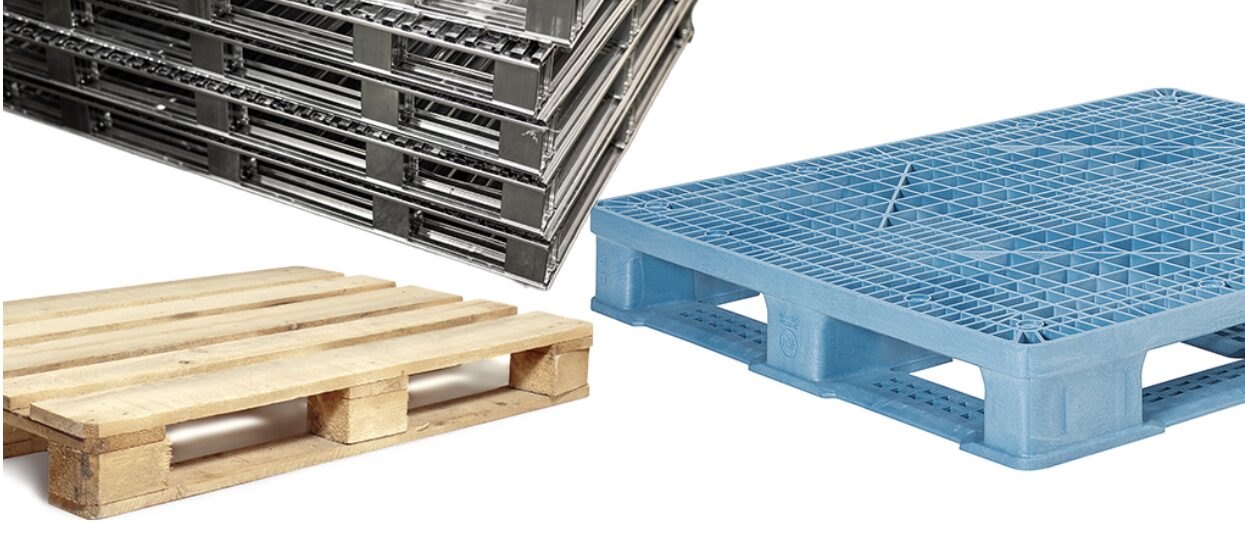
Plastic pallet is any pallet constructed from plastic materials.
However, beyond the standard plastic pallets that mirror the functionality of traditional wooden pallets, there exists a diverse range of plastic pallet types designed for specific purposes.
Plastic pallet varieties include:
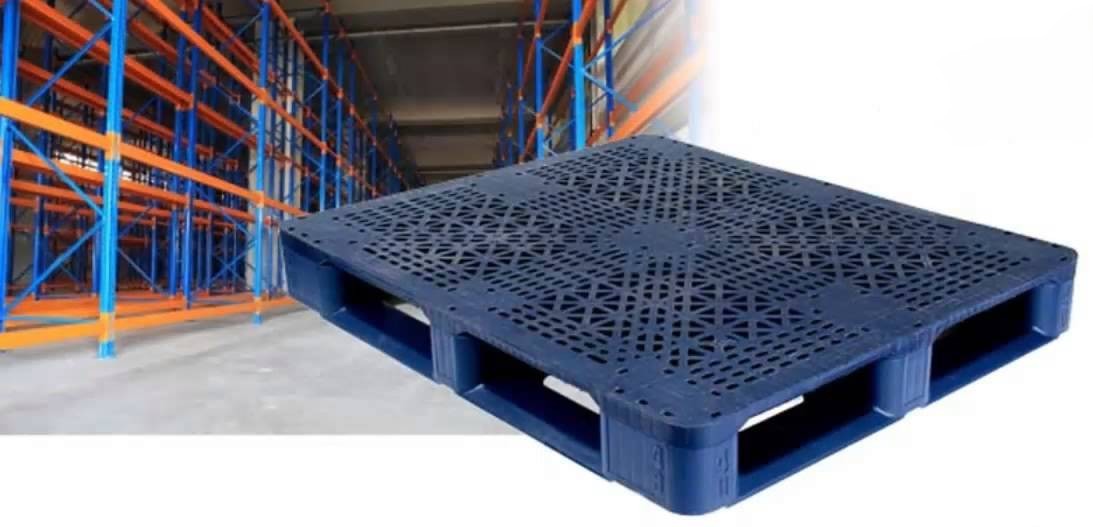
- Nestable and rackable plastic pallets, designed for efficient storage and use in racking systems.
- HDPE pallets, engineered to handle heavy-duty loads with exceptional durability.
- Recyclable pallets, built with sustainability in mind to reduce environmental impact.
- Pallets made from recycled materials, promoting eco-friendly practices by repurposing plastic waste.
- Half and quarter-size pallets, tailored for in-store merchandise displays and efficient transport.
3. Are Plastic Pallets Clean?
Made from materials like high-density polyethylene (HDPE) or polypropylene, plastic pallets have a smooth, non-porous surface that resists moisture, mold, bacteria, and pests.
Unlike wood pallets, which can absorb moisture and harbor contaminants, plastic pallets can be easily cleaned and sanitized, often using automated washing systems.
4. What Materials Are Used to Make Plastic Pallets?
Plastic pallets are primarily crafted from two key materials: high-density polyethylene (HDPE) and virgin polypropylene (PE). These materials are chosen for their durability and suitability for reusable pallets.
PE is known for its rigidity, making it ideal for supporting heavier loads. In contrast, HDPE provides superior impact resistance and corrosion protection, enhancing the pallet’s overall strength and longevity.

5. Are Plastic Pallets Heavy-Duty Enough for My Supply Chain?
Plastic pallets are designed to be robust, but their heavy-duty performance depends on the design and material. Plastic pallets can support dynamic loads of 2,000–5,000 lbs, with some specialized models handling up to 12,000 lbs in rackable configurations.
Plastic pallets shine in closed-loop systems or industries requiring durability under repeated use. Their resistance to moisture, chemicals, and pests ensures reliability in challenging environments.
6. Are Plastic Pallets Recyclable?
Yes, plastic pallets are recyclable, contributing to a circular economy. At the end of their life, plastic pallets can be ground into granules, melted, and reformed into new pallets or other products.
7.How Much Do Plastic Pallets Cost?
The cost of plastic pallets varies based on material, design, and load capacity. On average, plastic pallets range from $10 to $80, compared to $15 for a standard wood pallet. Factors influencing cost include:
- Material: Virgin HDPE pallets are more expensive than those made from recycled materials.
- Design: Heavy-duty or custom pallets with features like RFID tags cost more.
- Quantity: Bulk purchases often reduce per-unit costs.
Plastic pallets have a higher upfront cost, their longer lifespan (up to 200–400 cycles) and lower maintenance needs can make them more cost-effective over time, especially in closed-loop systems.
Conclusion
Choosing between plastic and wood pallets is a critical decision for supply chain professionals.
Partnering with a leading authority in the pooled plastic pallet sector, such as Aceally, can simplify your transition and ensure all stakeholders are satisfied with the change.