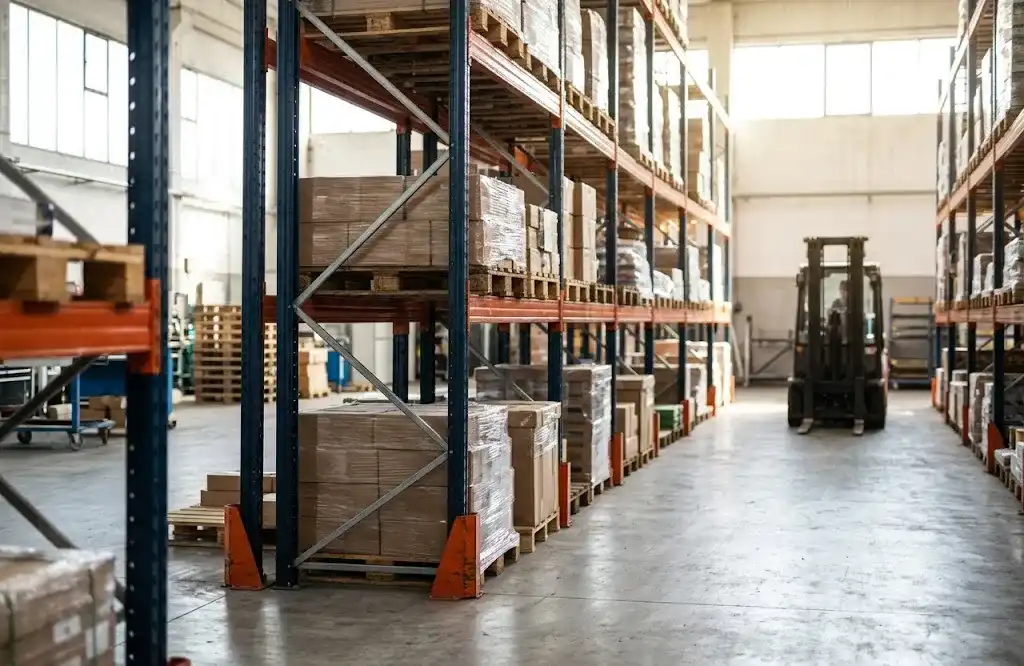


Warehouse safety is not only about selecting a strong and reliable storage rack system.
Even a well-designed rack can become unsafe if it is exposed to forklift impacts, incorrect loading, or daily warehouse operations without proper protection.
The right warehouse rack safety accessories help reduce the risk of rack damage, falling goods, and workplace accidents.
From safety pins and upright protectors to wire mesh panels and load labels, these small components play an important role in maintaining a safe and efficient storage environment.
For warehouses using pallet racking, boltless shelving, or industrial storage systems, safety accessories should be considered part of the overall rack design rather than optional add-ons.
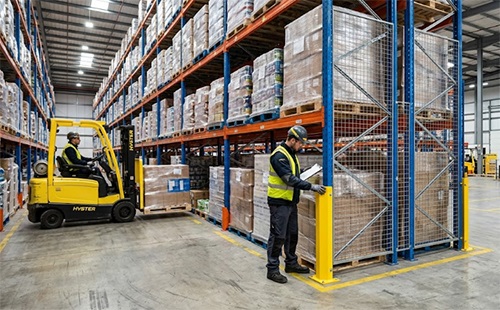
Why Are Warehouse Rack Safety Accessories Important?
Storage racks are designed to support heavy loads, but their performance depends on correct installation, proper loading, and protection against external damage.
Forklifts, pallet trucks, and daily warehouse activities can create unexpected impacts that may weaken rack components over time.
Common warehouse risks include:
- Forklift impact on upright frames
- Overloading caused by unclear load information
- Small items falling from open shelving
- Goods sliding from rack levels
- Rack instability in narrow aisles or high storage areas
Installing suitable safety accessories can extend rack service life, protect stored products, and create a safer working environment for warehouse operators.
1. Safety Pins and Locking Clips
Safety pins are one of the most basic but essential components for pallet racks and boltless shelving systems.
They lock beams or shelf levels securely into position and prevent accidental disengagement during daily operations.
In warehouses where racks are frequently accessed or exposed to vibration and impact, additional locking protection helps reduce the possibility of beam movement or shelf failure.
For heavy-duty pallet racking systems, reliable locking pins are normally supplied as standard components to ensure safe installation and long-term operation.
| Accessory | Main Function |
|---|---|
| Safety Pin / Locking Clip | Secure rack beams and prevent accidental movement |
2. Wire Mesh Back and Side Panels
Open warehouse shelving provides easy access to stored goods, but it also creates a risk of items falling from the rear or sides of the rack.
Wire mesh back and side panels are designed to improve storage safety while maintaining visibility and airflow.
These panels are especially useful for warehouses storing small parts, cartons, and loose materials.
They help prevent products from falling into aisles, protecting both workers and stored goods.
Compared with solid steel panels, wire mesh designs allow better air circulation and visibility, which makes them suitable for industrial warehouses, distribution centers, and storage areas that require sprinkler system compatibility.
| Specification | Common Range |
|---|---|
| Mesh Opening | Around 50mm × 50mm |
| Panel Thickness | 0.8mm – 1.2mm |
3. Upright Post Protectors
Forklift impact is one of the most common causes of warehouse rack damage.
Although pallet rack uprights are engineered for heavy loads, repeated impacts at the bottom of the frame can reduce structural strength and affect rack safety.
Upright post protectors act as a protective barrier between forklifts and rack frames.
They absorb impact energy and help prevent dents, bending, and costly rack repairs.
For high-traffic warehouse areas, post protectors are commonly installed at rack ends, aisle corners, and locations with frequent forklift movement.
Different warehouse environments may require different protection solutions.
Steel protectors provide stronger impact resistance for heavy-duty applications, while plastic protectors offer a flexible and cost-effective option for light to medium traffic areas.
| Type | Typical Specification | Recommended Application |
|---|---|---|
| Steel Post Protector | Around 3mm steel plate | Heavy-duty pallet rack areas with forklift traffic |
| Plastic Post Protector | Approx. 5mm – 8mm thickness | Light-duty storage and pedestrian areas |
4. Load Capacity Labels
Overloading is a major safety concern in warehouse storage systems.
When operators cannot clearly identify the maximum load capacity of each rack level, accidental overloading may occur.
Load capacity labels provide a simple but effective solution.
They display important information such as maximum beam load, shelf capacity, and safe loading limits.
These labels should be placed in visible positions, usually on the front of rack frames or beams, so warehouse employees can check loading information before storing goods.
| Item | Common Detail |
|---|---|
| Label Size | Around 100mm × 150mm |
| Information Shown | Maximum load capacity (kg/lbs), rack identification, safety notes |
5. Corner Guards
Warehouse aisles are often busy areas where forklifts, carts, and workers move closely around storage systems.
Sharp rack corners and exposed steel edges can create unnecessary risks for both people and equipment.
Corner guards provide an additional protective layer around rack corners, walls, and other vulnerable areas.
They help reduce injuries caused by accidental contact and minimize damage to nearby equipment.
For warehouses with narrow aisles or high pedestrian traffic, corner protection is a simple and economical way to improve workplace safety.
| Material | Typical Thickness | Application |
|---|---|---|
| Rubber / Plastic | 2mm – 5mm | Pedestrian areas, warehouse corners, equipment protection |
6. Safety Nets and Edge Rails
For high-level storage systems, preventing goods from falling is an important part of warehouse safety.
Products placed near the front edge of a rack may slide or fall when workers access items or when pallets are moved.
Safety nets and edge rails create a protective barrier while keeping products visible and accessible.
They are commonly used for pallet racks, long span shelving, and mezzanine storage areas.
These accessories are especially useful for storing irregular items, cartons, and loose materials that cannot be fully secured by pallets.
| Accessory | Common Specification |
|---|---|
| Safety Edge Rail | 50mm – 100mm height |
| Safety Mesh Net | Around 40mm × 40mm mesh opening |
7. Anti-Tilt Brackets
Tall and narrow storage racks may require additional stability protection, especially when installed in areas with frequent movement or uneven operating conditions.
Anti-tilt brackets connect the rack system to a wall, floor, or adjacent structure to reduce the risk of movement or tipping.
They are commonly used for light-duty shelving, boltless racks, and tall storage units where additional stability is required.
| Specification | Common Range |
|---|---|
| Bracket Thickness | 2.5mm – 3.5mm |
| Pull Force Capacity | Up to approximately 200kg |
How to Choose the Right Warehouse Rack Safety Accessories
Not every warehouse requires the same safety accessories.
The right combination depends on rack type, storage goods, loading conditions, equipment used in the warehouse, and the working environment.
Before selecting rack safety accessories, consider the following factors:
- Rack Type: Pallet racks, boltless shelving, and long span shelving may require different protection solutions.
- Load Weight: Heavy-duty storage systems need stronger locking components and impact protection.
- Forklift Operation: Warehouses using forklifts should prioritize upright protection and aisle safety.
- Storage Products: Small parts, cartons, and irregular goods may require mesh panels or edge protection.
- Warehouse Layout: Narrow aisles and high-density storage areas usually require additional safety measures.
| Warehouse Situation | Recommended Safety Accessories |
|---|---|
| Forklift operating areas | Steel post protectors, corner guards, rack end protection |
| Small parts or loose items storage | Wire mesh back panels, side panels, safety nets |
| Heavy pallet storage | Safety pins, locking clips, load capacity labels |
| Tall or narrow shelving systems | Anti-tilt brackets and stability accessories |
Warehouse Rack Safety Standards and Best Practices
Safety accessories should always be selected together with the rack design and operating environment.
Professional warehouse storage systems are usually designed according to recognized industry standards to ensure structural safety and reliable performance.
For example, European warehouse operators often refer to EN 15635 guidelines for the safe use and inspection of steel static storage systems.
In North America, pallet rack designs are commonly associated with RMI specifications, while Australia and other regions may follow AS4084 requirements.
Although safety accessories cannot replace correct rack installation and inspection procedures, they provide an additional layer of protection against daily warehouse risks.
Frequently Asked Questions About Rack Safety Accessories
Do pallet racks need safety accessories?
Safety accessories are not always mandatory for every rack system, but they are highly recommended for warehouses with forklifts, heavy loads, high storage levels, or frequent daily operations.
They help reduce damage risks and improve workplace safety.
What is the most important pallet rack safety accessory?
The most important accessory depends on the warehouse environment.
For forklift areas, upright protectors are usually a priority.
For heavy pallet storage, locking pins and load labels are essential.
Can safety accessories be added to existing warehouse racks?
Yes. Many safety accessories are designed for installation on existing rack systems.
However, compatibility should be checked based on rack dimensions, structure design, and load requirements.
Improve Warehouse Safety with Professional Rack Solutions
Choosing the right warehouse rack accessories is a simple investment that can prevent costly damage, improve worker safety, and extend the service life of storage systems.
As a professional warehouse rack manufacturer, Spieth provides a wide range of rack safety accessories, including safety pins, wire mesh panels, upright protectors, and customized protection solutions for different warehouse applications.
Our team can recommend suitable accessories based on rack type, load capacity, forklift operation, and warehouse layout requirements.