


Choosing the right longspan shelving system is an important decision for warehouses, workshops, and industrial storage facilities.
The correct shelving solution can improve storage efficiency, optimize available space, and provide safer access to stored items.
However, selecting longspan shelving is not only about comparing prices.
Factors such as load capacity, storage requirements, dimensions, material quality, and future expansion plans all affect the final choice.
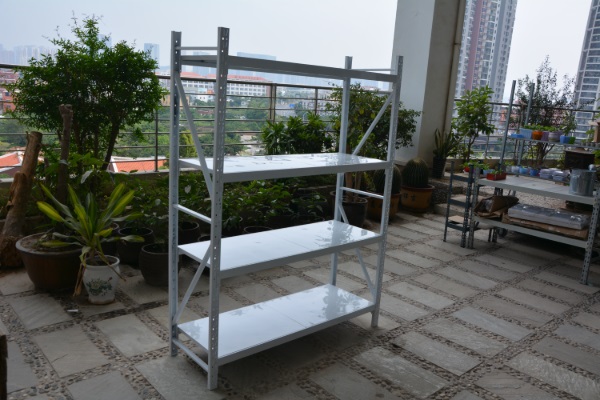
Why Choosing the Right Longspan Shelving Matters
Longspan shelving is widely used for storing cartons, spare parts, tools, components, and other medium-sized products that require manual access.
Compared with standard shelving systems, longspan shelving provides wider spans and higher load capacities, making it suitable for more demanding warehouse applications.
A properly selected shelving system helps businesses:
Better Space Utilization
Maximize warehouse capacity by using suitable shelf dimensions and layouts.
Improved Efficiency
Make picking, storing, and inventory management easier with organized storage.
Long-Term Value
Choose a durable shelving system that can adapt to future storage requirements.
1. Understand Your Storage Requirements First
Before purchasing longspan shelving, the first step is understanding what products you need to store.
Different products require different shelf sizes, load capacities, and configurations.
Consider Product Size and Dimensions
Measure the length, width, and height of stored items before selecting a shelving system.
The shelf depth and span should provide enough space while avoiding unnecessary wasted areas.
Key Measurements to Check:
- Product length and width
- Storage height requirements
- Number of items per shelf level
- Available warehouse space
Evaluate Product Weight Requirements
The weight of stored products directly affects the shelving design.
Heavy components, spare parts, and industrial materials usually require reinforced longspan shelving with stronger beams and frames.
Consider Storage Frequency
Products that are frequently accessed should be placed in easily reachable locations.
Longspan shelving layouts should be designed according to picking frequency and workflow requirements.
2. Choose the Correct Load Capacity
Load capacity is one of the most important factors when selecting longspan shelving.
Choosing a shelving system with insufficient capacity may affect storage safety, while selecting an oversized system can increase unnecessary costs.
The load capacity of longspan shelving depends on several structural factors, including:
Upright Frame Strength
The upright frame supports the overall stability of the shelving system and affects the total bay load capacity.
Beam Design
Beam size, steel thickness, and connection design determine how much weight each shelf level can support.
Shelf Material
Steel panels, MDF boards, and wire decking provide different load capacities and performance.
How Much Weight Can Longspan Shelving Hold?
The load capacity of longspan shelving varies depending on the design, material thickness, and configuration.
Standard systems are commonly used for medium-duty storage, while reinforced designs can support heavier industrial components.
| Storage Requirement | Recommended Solution | Typical Applications |
|---|---|---|
| Light to Medium Items | Standard Longspan Shelving | Cartons, documents, small inventory |
| Medium-Heavy Components | Reinforced Longspan Shelving | Spare parts, tools, industrial components |
| Large Volume Storage | Heavy Duty Storage System | Manufacturing materials, warehouse inventory |
Buying Tip:
Always consider future storage requirements instead of selecting a shelving system only based on current inventory.
A slightly higher capacity design can provide better flexibility and longer service life.
3. Select the Right Size and Configuration
Choosing the correct dimensions is essential for maximizing warehouse space utilization.
Longspan shelving should fit both your stored products and the available warehouse layout.
Consider Shelving Height
The shelving height should match warehouse ceiling height, employee reach capability, and safety requirements.
For manual picking operations, extremely high shelving may reduce efficiency and increase operational risks.
Choose the Appropriate Shelf Width and Span
Longspan shelving is designed with wider spans compared with traditional boltless shelving.
The correct span length helps balance storage density and load performance.
Select Suitable Shelf Depth
Shelf depth should be selected according to product dimensions.
A deeper shelf provides more storage space, while a shallower shelf allows easier access and better visibility.
Common Configuration Factors
| Factor | Consideration |
|---|---|
| Height | Available space and safe manual access |
| Width | Number of stored items and aisle planning |
| Depth | Product size and accessibility requirements |
| Shelf Levels | Storage volume and picking frequency |
4. Consider Shelf Materials and Construction Quality
The material and manufacturing quality of longspan shelving directly affect durability, load performance, and service life.
A reliable shelving system should be designed according to the working environment and storage requirements.
Choose the Right Shelf Decking Material
Different shelf materials provide different advantages. The best choice depends on the type of products stored, loading method, and warehouse environment.
| Shelf Material | Advantages | Suitable Applications |
|---|---|---|
| Steel Panel | High durability, strong load capacity, easy maintenance | Industrial warehouses, heavy components, spare parts |
| MDF Board | Smooth surface, economical, suitable for carton storage | General storage, retail backrooms, archives |
| Wire Decking | Better airflow, visibility, and dust reduction | Industrial facilities and ventilation-required areas |
Check Manufacturing Quality
Besides the shelf material, manufacturing quality also determines the reliability of longspan shelving.
Before purchasing, buyers should evaluate the supplier’s production capability and quality control process.
Steel Thickness
Proper steel thickness ensures sufficient strength and stability under continuous loading conditions.
Surface Treatment
Powder coating helps improve corrosion resistance and provides a durable surface finish.
Production Standards
Professional manufacturing processes help ensure consistent quality and reliable performance.
5. Compare Longspan Shelving with Other Storage Systems
Before making a final decision, it is useful to compare longspan shelving with other common warehouse storage solutions.
Different systems are designed for different storage requirements.
Longspan Shelving vs Pallet Racking
| Comparison | Longspan Shelving | Pallet Racking |
|---|---|---|
| Loading Method | Manual picking | Forklift operation |
| Storage Type | Cartons, components, small products | Palletized goods |
| Best Application | Workshops, warehouses, spare parts storage | Distribution centers and large warehouses |
Longspan Shelving vs Boltless Shelving
| Comparison | Longspan Shelving | Boltless Shelving |
|---|---|---|
| Capacity | Higher load capacity | Light to medium duty |
| Span Length | Wider shelf spans | Shorter spans |
| Typical Use | Industrial and warehouse applications | Office, garage, light storage |
6. Consider Customization and Future Expansion
Warehouse storage requirements often change as businesses grow.
Choosing a flexible longspan shelving system allows companies to expand storage capacity without replacing the entire system.
When selecting a supplier, consider whether they can provide customized solutions based on your warehouse requirements.
Customization Options for Longspan Shelving
Custom Dimensions
Shelving height, width, and depth can be adjusted according to warehouse space and product requirements.
Adjustable Levels
Adjustable shelf positions provide flexibility for storing products with different sizes.
Capacity Options
Different beam and frame designs can be selected according to required load capacity.
Questions to Ask Before Purchasing
Before placing an order, buyers should confirm the following points:
- What products will be stored on the shelving system?
- What is the required load capacity per shelf level?
- What shelf dimensions fit the warehouse space?
- Does the supplier provide customized designs?
- Can the system be expanded in the future?
- Does the manufacturer provide quality inspection and technical support?
Frequently Asked Questions About Longspan Shelving
What is longspan shelving used for?
Longspan shelving is commonly used for storing cartons, spare parts, tools, components, and other medium-weight products that require manual access.
It is widely used in warehouses, workshops, manufacturing facilities, and stockrooms.
How much weight can longspan shelving hold?
The load capacity depends on the frame design, beam structure, steel thickness, and shelf material.
Different configurations can be customized for light, medium, or heavy-duty storage requirements.
What size longspan shelving do I need?
The right size depends on product dimensions, available warehouse space, storage volume, and accessibility requirements.
Shelf height, width, depth, and number of levels should be considered together.
Is longspan shelving suitable for warehouses?
Yes. Longspan shelving is suitable for warehouses that require manual picking and organized storage for cartons, components, and inventory items.
Can longspan shelving be customized?
Yes. Professional manufacturers can customize dimensions, shelf levels, load capacity, and configurations based on specific storage requirements.
Conclusion: Choose Longspan Shelving Based on Your Storage Needs
Selecting the right longspan shelving system requires careful consideration of storage requirements, load capacity, dimensions, material quality, and future expansion plans.
Instead of choosing a shelving system only based on price, businesses should focus on finding a reliable solution that provides safety, flexibility, and long-term value.
Working with an experienced shelving manufacturer can help ensure the system is designed according to your warehouse layout and operational needs.


