

From basic plastic bins to specialized industrial containers, understanding the various types available ensures you select solutions that fit your specific needs. This comprehensive guide delves into popular storage bin and container types.
Storage bins and containers come in a wide array of materials, sizes, and designs, often made from durable plastics like polyethylene or polypropylene for longevity and ease of cleaning. They are versatile for storing everything from household items and office supplies to parts in manufacturing or goods in logistics.
By categorizing them into bin types and container types, we can better appreciate how each serves unique purposes while optimizing space and security.
Storage Bin Types
Storage bins are fundamental for organizing smaller items, commonly used in shelving units, cabinets, or even wall-mounted systems. They promote accessibility and can significantly reduce clutter.
Stacking Bins
Stacking bins are designed for vertical efficiency, allowing you to pile them securely on top of one another. This feature is particularly useful in areas with limited floor space, such as garages, workshops, or retail storage rooms. These bins often include interlocking edges or ridges that ensure stability when stacked, preventing slips or collapses.
One of the standout benefits of stacking bins is their adaptability. Many models can be hung on louvered panels or rails, making them ideal for tool walls or inventory displays. Additionally, they frequently come with optional dividers, enabling you to segment the interior space for storing multiple small items like screws, nails, or craft supplies without mixing them up.
In practical terms, stacking bins shine in dynamic environments. For instance, in a warehouse, they can hold spare parts for quick access during assembly lines. At home, they organize pantry items or children’s toys, saving valuable shelf real estate. Key features include:
- Durability: Made from impact-resistant materials to withstand heavy loads.
- Customization: Dividers and labels for easy categorization.
- Portability: Handles or open fronts for effortless retrieval.
When selecting stacking bins, consider factors like load capacity—some can support up to 50 pounds per bin—and color-coding options for visual organization.
Shelf Bins
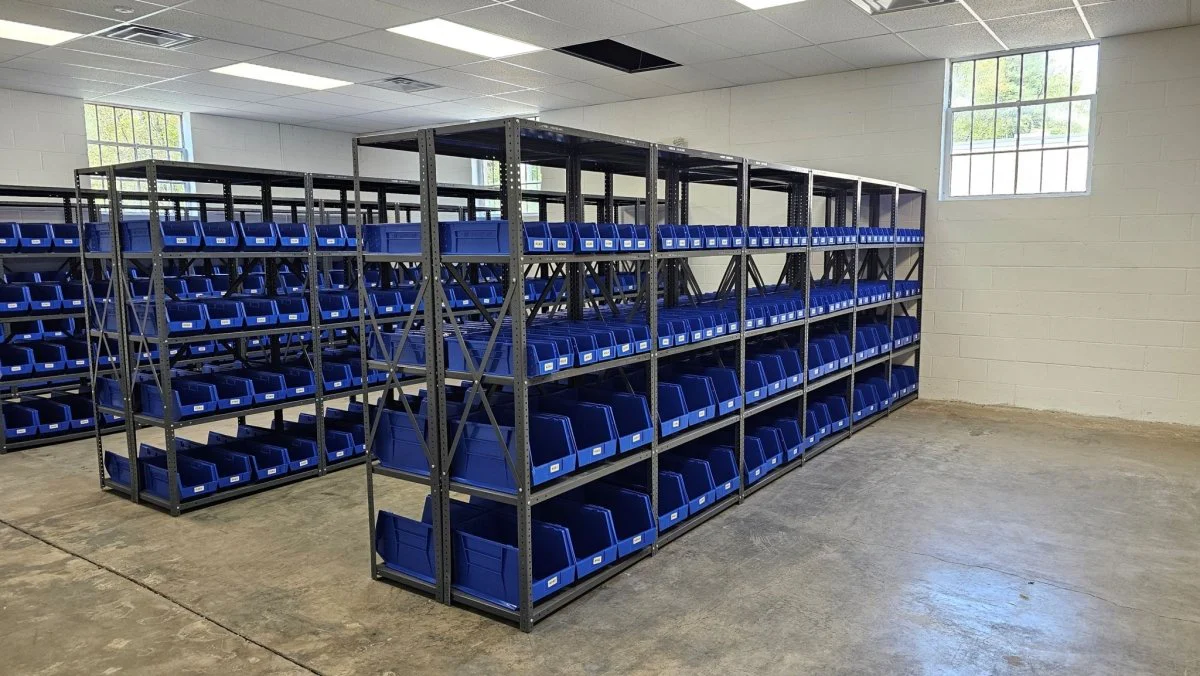
Shelf bins are tailored for placement on flat surfaces like shelves or inside cabinets, providing a straightforward approach to storage without the need for hanging mechanisms. Unlike their stacking counterparts, they prioritize stability on horizontal planes, making them perfect for static setups where frequent reconfiguration isn’t required.
These bins are excellent for environments where items need to be neatly arranged and easily visible. Optional dividers allow for internal compartmentalization, which is handy for sorting office supplies, medical items, or kitchen essentials. Their design often includes reinforced bottoms to handle moderate weights, ensuring they don’t sag under pressure.
- Ease of Access: Wide openings for quick item retrieval.
- Versatility: Available in various sizes to fit standard shelving units.
- Cost-Effectiveness: Generally affordable and long-lasting.
To maximize their utility, pair shelf bins with adjustable shelving systems. This combination allows for scalable storage as your needs evolve, ensuring your space remains organized and efficient over time.
Container Types
Moving beyond bins, storage containers offer larger capacities and enhanced features for bulk storage and transport. They are commonly used in commercial settings but are equally valuable for household decluttering.
Straight-Wall Containers
Straight-wall containers are engineered to provide the highest cubic volume for holding goods, making them indispensable for high-density storage and shipping. Their flat, smooth walls eliminate wasted space, allowing you to pack more items efficiently compared to tapered designs.
These containers excel in stacking, with reinforced rims that support multiple layers without compromising safety. They are also pallet-compatible, facilitating the creation of unitized loads for forklifts or trucks, which streamlines logistics operations. Industries like manufacturing and distribution rely on them for transporting components or finished products.
Practical benefits extend to their robustness—often featuring ergonomic handles for easy maneuvering. In a retail warehouse, they might store seasonal inventory, while in food service, they keep ingredients fresh. Notable advantages:
- Space Optimization: Smooth walls for maximum internal volume.
- Stacking Strength: High load-bearing capacity for vertical storage.
- Transport Efficiency: Palletization reduces handling time and costs.
Choose straight-wall containers when volume and security during transit are priorities, ensuring your operations run smoothly and cost-effectively.
Stack and Nest Containers
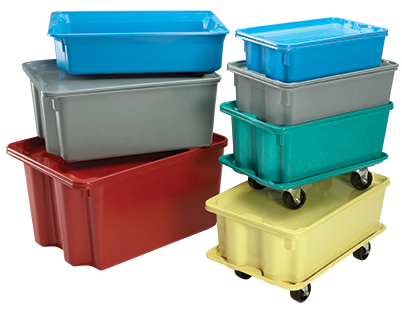
Stack and nest containers offer a dual-purpose design: they stack securely when filled and nest inside each other when empty. This ingenuity saves significant space during return shipments or off-season storage, making them a favorite in distribution centers and truck trailers.
Available with attached or detached lids, these containers provide options for added protection. Their tapered walls enable nesting, reducing storage footprint by up to 70% when not in use. This feature is crucial for businesses with fluctuating inventory levels.
- Space Savings: Nesting reduces empty container volume.
- Durability: Resistant to impacts and weather for outdoor use.
- Lid Options: Enhance security and cleanliness.
This type is ideal for operations requiring frequent cycling of containers, balancing efficiency with practicality.
Attached Lid Containers
For those prioritizing security and neatness, attached lid containers feature lids connected via sturdy hinges, ensuring they never get lost or misplaced. This design keeps contents concealed and protected from dust, moisture, or unauthorized access.
These containers stack well, even with lids closed, and are commonly used in secure environments like hospitals or confidential document storage. The attached lids promote tidiness, as they flip open easily for access without removal.
- Security Features: Tamper-evident options available.
- Convenience: Hinges allow one-handed operation.
- Versatility: Suitable for stacking in various settings.
They are perfect for transporting sensitive items, combining functionality with peace of mind.
Detached Lid Containers
Detached lid containers come with separate, snug-fitting lids that can be removed entirely, offering flexibility in use. They help maintain cleanliness by sealing out contaminants, and they stack efficiently whether lidded or not.
Ideal for food storage or archival purposes, these containers prevent spills and odors. Their design allows for easy cleaning and replacement of lids if needed.
- Hygiene Focus: Lids keep contents dust-free.
- Stackability: Stable even with lids on.
- Adaptability: Use lids selectively based on needs.
This type suits environments where intermittent access and protection are key.
Divided Boxes
Divided boxes incorporate built-in or removable dividers, creating multiple compartments within a single unit. This prevents items from shifting or damaging each other, making them excellent for delicate parts or assorted collections.
Stackable lids are often available, adding layers of protection. In workshops, they organize hardware; in homes, they sort jewelry or sewing supplies.
- Compartmentalization: Customizable sections for efficiency.
- Protection: Reduces item contact and potential harm.
- Stacking Options: Lids enable vertical arrangements.
Divided boxes are invaluable for detailed organization, ensuring everything has its place.
Choosing the Right Storage Solution
Selecting between these bin and container types depends on your space constraints, item types, and usage frequency. Consider factors like material durability, size compatibility, and budget.
For optimal results, mix and match—use stacking bins for vertical spaces and straight-wall containers for bulk transport.
By investing storage solutions, you enhance organization, reduce waste, and boost overall efficiency. Whether for home or business, the right choices lead to a more streamlined life.