

Pallet racking is the backbone of industrial storage, renowned for its durability and cost-effectiveness, making it a top choice for warehouses globally. Among the various types of pallet racking, galvanized pallet racking stands out due to its unique manufacturing process and superior corrosion resistance.
Unlike traditional pallet racking, which typically relies on spray paint or powder coating, galvanized pallet racking uses a zinc coating to enhance its longevity and performance in challenging environments.
In this comprehensive guide, we’ll explore what galvanized pallet racking is, the galvanizing process, its advantages and disadvantages, and its wide range of applications. As a trusted authority in industrial storage solutions, we aim to provide you with clear, expert insights to help you make informed decisions.
What is Galvanized Pallet Racking?
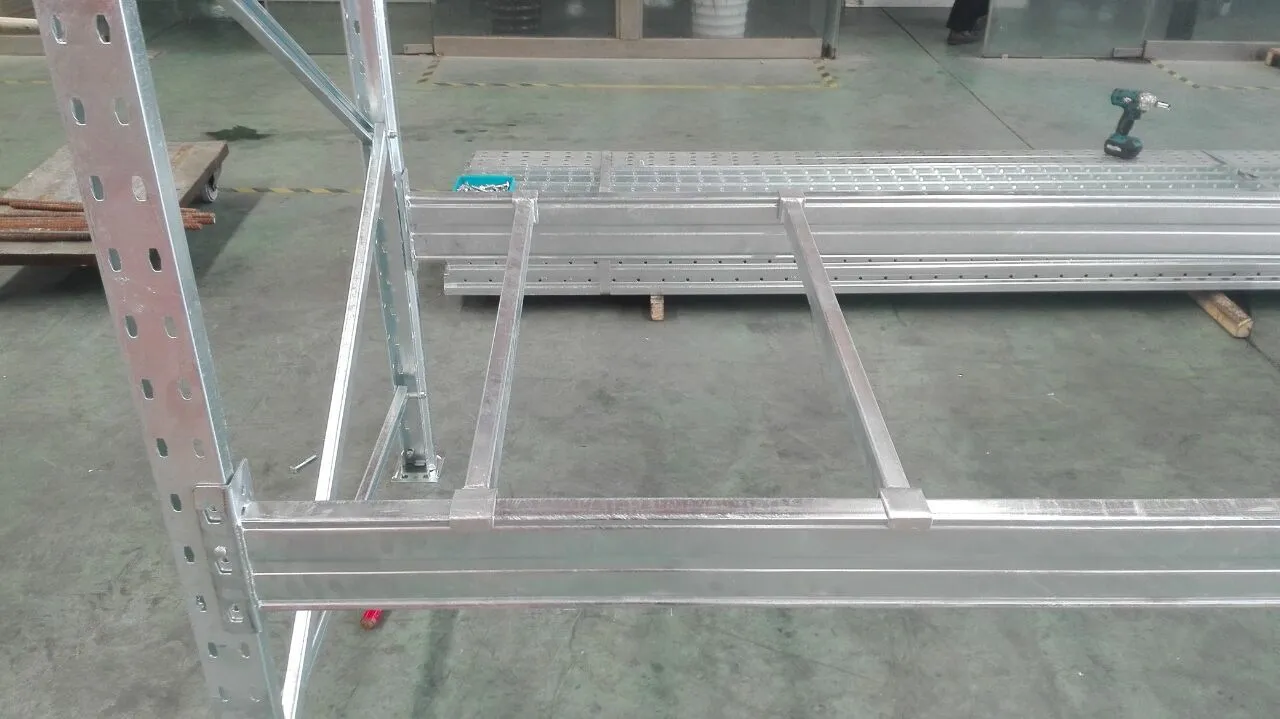
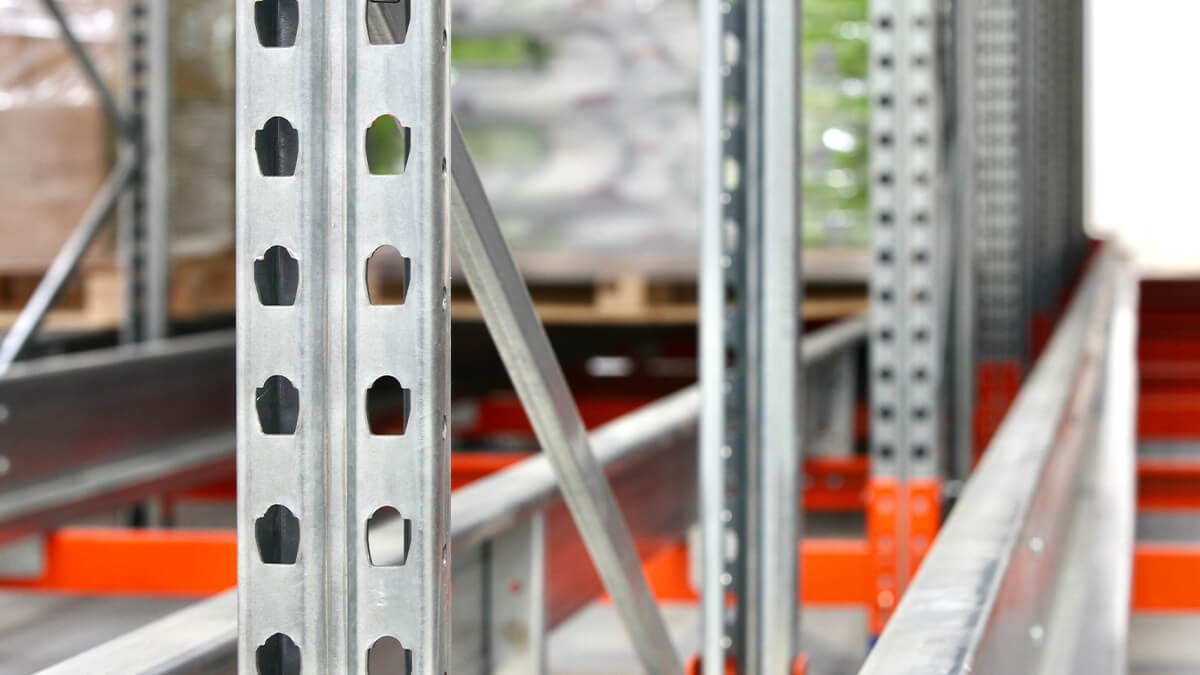
Galvanized pallet racking is a specialized type of industrial racking that undergoes a galvanizing process, coating the steel structure with a protective layer of zinc. This gives the racking its distinctive metallic silver-gray appearance, which is the natural color of the zinc layer.
While the core design and structure of galvanized pallet racking mirror those of traditional pallet racking, the key differences lie in its enhanced corrosion resistance, appearance, cost, and suitability for specific environments.
Galvanized pallet racking is engineered to withstand harsh conditions, such as high humidity, saltwater exposure, or chemical-heavy environments, where standard racking would corrode or degrade over time. This makes it a preferred choice for industries requiring robust, long-lasting storage solutions.

What is Galvanizing?
To fully understand galvanized pallet racking, it’s essential to grasp the concept of galvanizing. Galvanizing is a process in which steel is coated with a layer of zinc to protect it from corrosion. This protective coating enhances the steel’s durability, making it resistant to rust and environmental damage.
There are two primary methods of galvanizing:
Hot-Dip Galvanizing: In this process, steel components are submerged in molten zinc heated to approximately 419.5°C (787°F). This creates a thick, durable zinc coating, typically ranging from 50 to 150 microns. Hot-dip galvanizing is ideal for heavy-duty applications due to its robust corrosion protection but may result in a slightly rougher surface and potential distortion of the steel due to high temperatures.
Electro-Galvanizing: This method uses an electrochemical process to deposit a thinner zinc layer (5–30 microns) onto the steel surface. Electro-galvanizing produces a smoother, more uniform finish with higher dimensional accuracy, making it suitable for applications where aesthetics and precision are important. However, the thinner coating offers less corrosion resistance compared to hot-dip galvanizing.
Why Zinc?
Zinc is a bluish-white metal with unique properties that make it an excellent choice for protecting steel:
- Chemical Reactivity: Zinc is more reactive than iron, meaning it oxidizes before the underlying steel when exposed to oxygen or moisture. This sacrificial protection ensures the steel remains intact.
- Oxidation Properties: When zinc reacts with oxygen, it forms a thin, protective layer of zinc oxide. This layer acts as a barrier, preventing further oxidation and corrosion.
- Melting Point: Zinc’s relatively low melting point (419.5°C) allows it to be melted and applied to steel surfaces during the galvanizing process.
- Self-Healing Ability: If the zinc coating is scratched or damaged, the exposed zinc reacts with oxygen or moisture to form a new protective layer, effectively “healing” the surface.
These properties make zinc an ideal material for enhancing the longevity and resilience of pallet racking in demanding environments.
Advantages of Galvanized Pallet Racking
Galvanized pallet racking shares the structural benefits of traditional pallet racking, such as strength and versatility, but its zinc coating provides several unique advantages.
1. Superior Corrosion Resistance
The hallmark of galvanized pallet racking is its exceptional resistance to corrosion. The zinc coating acts as a barrier against common corrosive elements like moisture, salt, and chemicals, which can quickly degrade traditional racking. This makes galvanized pallet racking ideal for environments such as:
- Cold storage facilities: High humidity and low temperatures accelerate rust in conventional racking.
- Outdoor warehouses: Exposure to rain, humidity, and salty air poses no threat to galvanized racking.
- Chemical plants: The zinc coating withstands exposure to corrosive substances, ensuring long-term durability.
2. Low Maintenance Costs
The self-healing nature of the zinc coating reduces the need for frequent maintenance. Minor scratches or abrasions on the surface are automatically repaired as the zinc reacts with oxygen to form a new protective layer. Unlike traditional racking, which may require regular repainting or touch-ups, galvanized pallet racking minimizes maintenance costs and downtime, offering significant savings over time.
3. Environmental Friendliness
Galvanized pallet racking is an eco-friendly option. The zinc coating does not emit harmful fumes, and natural peeling is rare, reducing environmental impact. Additionally, waste from the galvanizing process is easier to manage and recycle compared to traditional powder coatings or spray paints, which may contain volatile organic compounds (VOCs).
4. Enhanced Safety
Corrosion can weaken the structural integrity of racking systems, increasing the risk of collapses or accidents. The zinc coating on galvanized pallet racking protects critical components from rust, ensuring long-term stability and safety in demanding environments.
5. Versatility Across Industries
Thanks to its durability and corrosion resistance, galvanized pallet racking is widely used in industries with stringent storage requirements, including:
- Food and Beverage: Cold storage, food processing plants, and seafood storage facilities benefit from the racking’s resistance to moisture and ease of cleaning.
- Pharmaceuticals: The clean, corrosion-resistant surface meets the industry’s strict hygiene and durability standards.
- Chemicals: Galvanized racking withstands exposure to corrosive substances, ensuring safe and reliable storage.
- Coastal and Marine Environments: Ports, harbors, and seafood processing facilities rely on galvanized racking to combat saltwater corrosion.
Disadvantages of Galvanized Pallet Racking
While galvanized pallet racking offers numerous benefits, it’s important to consider its limitations to determine if it’s the right choice for your needs.
1. Higher Initial Cost
The galvanizing process and the materials involved make galvanized pallet racking more expensive than traditional racking. The upfront cost may be a barrier for businesses with tight budgets, although the long-term savings from reduced maintenance often offset this expense.
2. Limited Color Options
Unlike traditional racking, which can be customized with a wide range of spray paint or powder coating colors, galvanized pallet racking is typically limited to the natural silver-gray of the zinc coating. While electro-galvanizing allows for some color passivation, the options remain limited compared to traditional methods.
3. Unsuitable for Extreme Environments
Galvanized pallet racking excels in many harsh environments but is not ideal for extreme conditions, such as:
- Strong acidic environments: The zinc coating can corrode rapidly in highly acidic settings, reducing its protective capabilities.
- High-temperature environments: Prolonged exposure to extreme heat can weaken the zinc layer, compromising its effectiveness.
4. Environmental Concerns in Manufacturing
While the finished product is environmentally friendly, the galvanizing process can produce emissions and waste. If not managed properly by manufacturers, these byproducts can have negative environmental impacts. Choosing a reputable supplier with responsible waste management practices is crucial.
5. Maintenance Challenges for Severe Damage
Minor scratches on galvanized racking self-heal, but significant damage to the zinc coating requires professional repair. Unlike spray-painted surfaces, which can be easily touched up, repairing a galvanized coating is more complex and may require specialized expertise.
Applications of Galvanized Pallet Racking
Galvanized pallet racking’s combination of strength, durability, and corrosion resistance makes it a versatile solution for various industries. Below are some of the most common applications:
1. Food and Beverage Industry
- Cold Storage and Cold Chain Logistics: The high humidity and low temperatures in cold storage facilities can cause conventional racking to rust quickly. Galvanized pallet racking resists corrosion, ensuring reliable performance in these conditions.
- Food Processing Plants: The racking’s easy-to-clean surface and lack of harmful emissions make it ideal for food processing and storage, where hygiene is paramount.
- Seafood Processing and Storage: With seawater containing approximately 3.5% salt, galvanized pallet racking is essential for resisting corrosion in seafood storage and processing facilities.
2. Chemical and Pharmaceutical Industries
- Chemical Warehouses: Corrosive chemicals can damage standard racking, but galvanized pallet racking’s zinc coating ensures durability and safety in these environments.
- Pharmaceutical Warehouses: The industry demands corrosion-resistant, hygienic storage solutions, and galvanized racking meets these requirements with its cleanable surface and robust construction.
3. Coastal and Marine Environments
- Ports and Harbors: Warehouses in coastal areas face high humidity and salty air, which can corrode traditional racking. Galvanized pallet racking thrives in these conditions, offering long-lasting performance.
- Marine Storage: Facilities storing marine equipment or products benefit from the racking’s ability to withstand saltwater exposure.
4. Outdoor Warehousing
Outdoor warehouses exposed to rain, humidity, and fluctuating temperatures require racking that can endure the elements. Galvanized pallet racking’s corrosion resistance makes it an excellent choice for these applications.
Choosing Between Galvanized and Traditional Pallet Racking
Deciding between galvanized and traditional pallet racking depends on your specific needs and operating environment. Here’s a quick comparison to guide your decision:
| Feature | Galvanized Pallet Racking | Traditional Pallet Racking |
|---|---|---|
| Appearance | Metallic silver-gray (limited color options) | Wide range of colors via spray paint/powder coating |
| Corrosion Resistance | Excellent, ideal for harsh environments | Moderate, unsuitable for corrosive settings |
| Cost | Higher initial cost | Lower initial cost |
| Maintenance | Low maintenance, self-healing coating | Requires regular repainting or touch-ups |
| Lifespan | Longer in corrosive environments | Shorter in harsh conditions |
| Applications | Cold storage, chemical plants, coastal areas | General warehousing, indoor storage |
If your warehouse operates in a high-humidity, salty, or chemical-heavy environment, galvanized pallet racking is likely the better choice. For standard indoor warehousing with minimal exposure to corrosive elements, traditional racking may suffice.
Tips for Maintaining Galvanized Pallet Racking
To maximize the lifespan and performance of your galvanized pallet racking, follow these maintenance tips:
- Regular Inspections: Conduct routine checks for signs of significant damage or wear, especially in high-traffic areas.
- Cleanliness: Keep the racking clean to prevent buildup of debris or chemicals that could affect the zinc coating.
- Professional Repairs: For severe damage to the zinc coating, consult a professional to restore the protective layer properly.
- Avoid Extreme Conditions: If possible, avoid exposing galvanized racking to strong acidic or high-temperature environments to preserve the coating’s effectiveness.
Conclusion
Galvanized pallet racking is a robust, corrosion-resistant storage solution that excels in challenging environments where traditional racking falls short. Its zinc coating provides protection against moisture, salt, and chemicals, making it a top choice for industries like food and beverage, pharmaceuticals, chemicals, and coastal warehousing. While the initial cost may be higher, the long-term benefits of low maintenance, enhanced safety, and environmental friendliness make it a worthwhile investment.
By understanding the galvanizing process, weighing the advantages and disadvantages, selecting a reputable Aceally supplier, you can ensure your warehouse is equipped with durable, high-performance racking tailored to your needs. Whether you’re storing goods in a cold storage facility, a chemical warehouse, or a coastal port, galvanized pallet racking offers the reliability and longevity required for efficient operations.