

Businesses often face problems with excess inventory, goods spoiling before they’re sold, and unclear and inaccurate cost accounting. These issues not only erode profits but also cause operational losses.
If you manage physical goods, there’s a fundamental principle designed to address these issues: First-in, First-out (FIFO).
First-in, First-out (FIFO) minimizes waste and provides clarity and financial clarity. Mastering FIFO not only improves operational efficiency but also prevents expiration and losses.
What is First In, First Out (FIFO)?
FIFO, short for First In, First Out, is an inventory management method based on a simple logic: the first items put into inventory should be the first to be removed and used. Imagine your inventory as a conveyor belt. The first item you put onto the belt (“First In”) is also the first item you remove when you use or sell it (“First Out”). This is the simplest form of FIFO.

Why First-in, First-out (FIFO) is important for your warehouse and operations
First-in-first-out (FIFO) can solve your problems and improve overall efficiency
- FIFO can significantly reduce product expiration losses by forcing “old” goods to be shipped out first, avoiding the phenomenon of fresh agricultural products or medicines becoming obsolete due to prolonged storage, helping you save up to 20% in inventory waste costs.
- FIFO improves inventory turnover: faster goods flow means faster cash recovery, so you are no longer “frozen” by accumulated inventory.
- FIFO enhances customer satisfaction: Ensure that the products you sell are always the freshest. For example, electronic products are subject to rapid updates and replacements. FIFO allows you to prioritize the shipment of older models, avoiding the reputational risks associated with unsold inventory.
- Reduce cost complexity: FIFO simplifies accounting methods (especially in cost accounting), eliminating the need to track the age of each batch of goods and making calculations easier.
- In terms of compliance, FIFO complies with industry standards such as the HACCP system for food safety, reducing regulatory risk.
First-in, first-out in accounting
First-in, first-out (FIFO) is the cornerstone of financial reporting, especially under standard accounting principles such as GAAP. When you sell an item, first-in, first-out (FIFO) means that the earliest inventory is sold first.
Why is this important to you?
Because the cost associated with the sale is based on the price you paid for the earliest inventory. During periods of rising prices (inflation), this typically means assigning a lower historical cost to goods sold.
What are the results?
Compared to using newer, more expensive methods, this sales report has a higher gross profit margin. This allows you to see your profitability more clearly and, in most cases, more favorably on your income statement. It also means that the ending inventory value on your balance sheet reflects the cost of your most recent purchases, which is usually closer to the current market value.
The Advantages of First-In, First-Out
First-in, first-out is not just an accounting term; it is a practical and powerful process and value management principle. By ensuring that the oldest inventory moves first, you can directly prevent waste, loss, and obsolescence.
From an operational perspective, it brings order and predictability. From a financial perspective, it allows you to clearly and often more favorably understand costs and profits during periods of inflation, while maintaining the relevance of inventory valuations on the balance sheet.
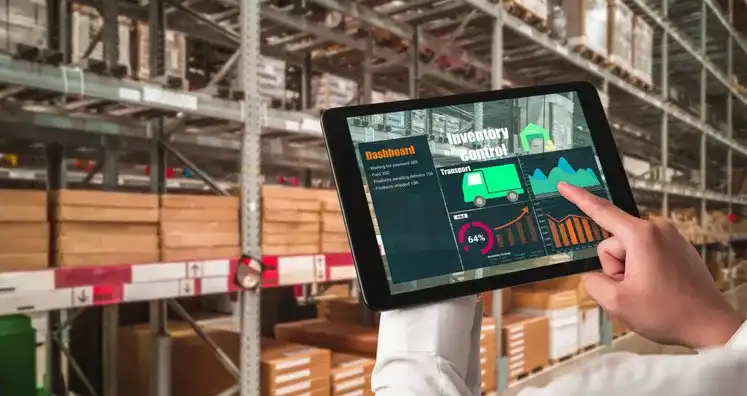
Adopting the First-In, First-Out (FIFO) method means achieving smarter inventory control and more transparent financial results. This is a foundational principle that delivers tangible savings and strategic insights.
Summary
FIFO (first-in, first-out) is not only an inventory management method, it can also effectively reduce product expiration waste, accelerate cash flow, enhance customer trust, and bring significant cost savings.
If you have any questions about FIFO or need professional help to customize inventory solutions, please feel free to contact us. Our team of experts has many years of industry experience and can provide you with free consultation and personalized implementation plans.