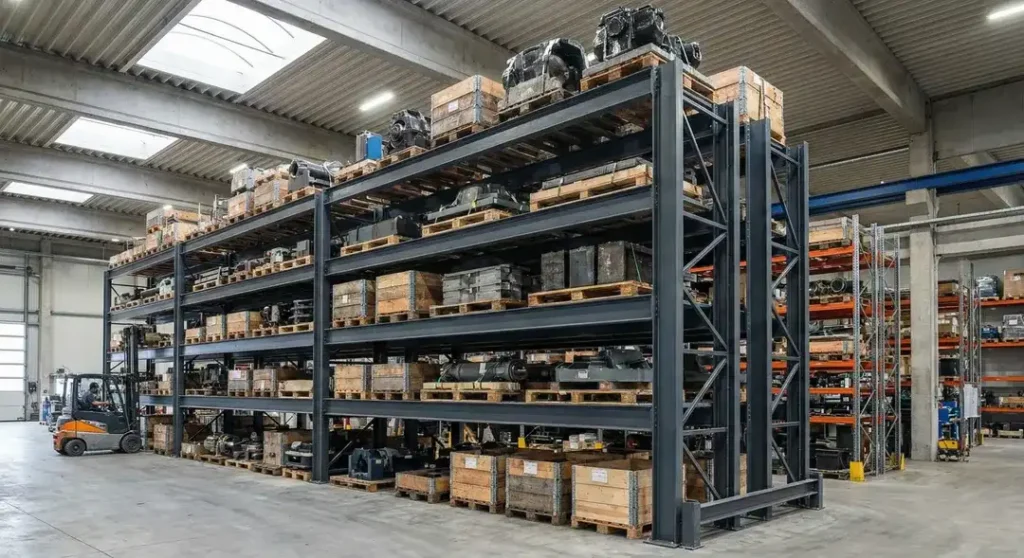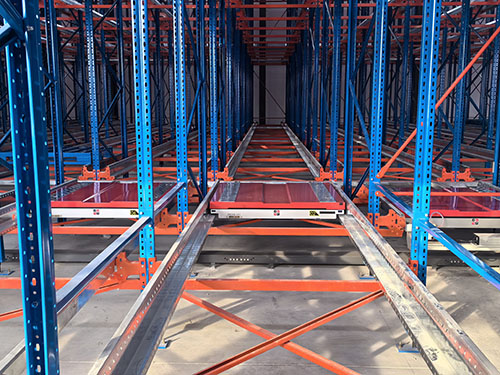


Ensuring the safety and integrity of pallet racking systems is paramount. The Rack Manufacturers Institute (RMI) stands as the leading authority in the United States for establishing standards on the design, manufacturing, and maintenance of industrial racking systems. These guidelines are not just best practices; they form the backbone of safe warehouse environments.
RMI standards are now enforced by the Occupational Safety and Health Administration (OSHA), making compliance a legal necessity. Regular inspections by certified professionals help warehouses adhere to these rules, reducing risks to workers and minimizing potential liabilities. By prioritizing these inspections, businesses can foster a culture of safety while aligning with evolving regulations.
To help you enhance your warehouse’s safety protocols, we’ve compiled the top five pallet rack safety tips. Let’s dive into these practical strategies to safeguard your operations.
1. Proper Installation of Racking Systems
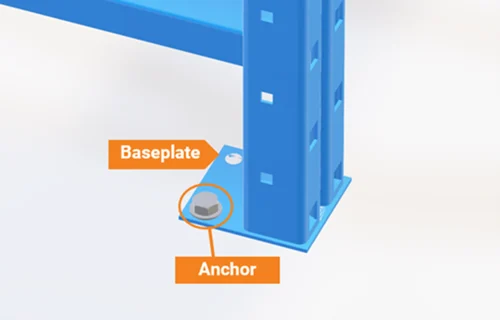
When it comes to pallet rack safety, the foundation—quite literally—starts with correct installation. This encompasses everything from the overall structure to individual components like beams and protective guards. A key element is securely anchoring the racks to the concrete floor using at least two wedge anchors per baseplate. This robust anchoring prevents shifting or collapse under heavy loads, averting catastrophic accidents and expensive downtime.
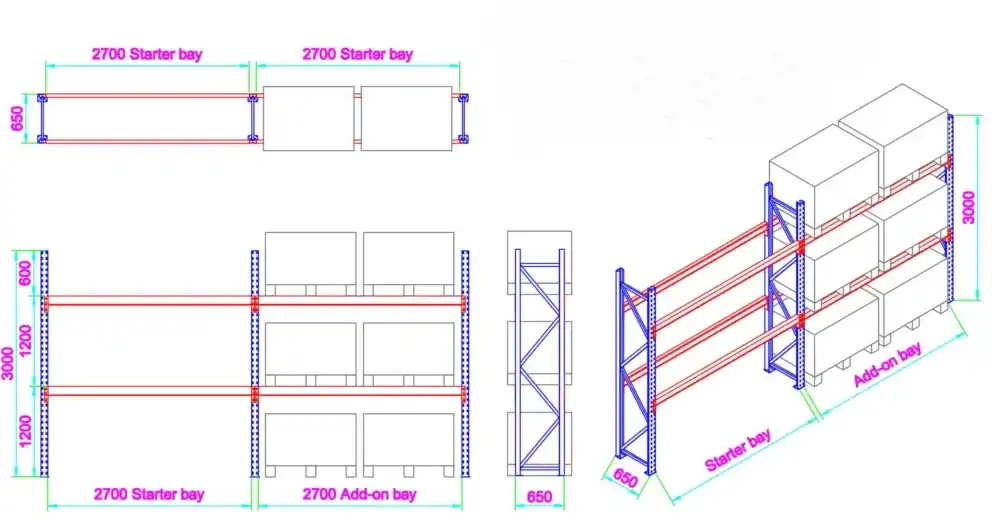
Before installation begins, thorough preparation is essential to avoid common pitfalls. Begin by accurately measuring your storage space to confirm that the racking will fit seamlessly without compromising aisle widths or accessibility. Develop a comprehensive plan that includes detailed CAD layouts, a feasible timeline, and a thorough floor assessment for levelness and structural integrity. Uneven floors can lead to instability, so addressing any issues upfront is crucial.
Have you implemented these preparatory steps in your warehouse?
If so, proceed to Tip #2: Display Rack Capacity Limits.
If not, prioritize Tip #3: Address Damaged Components Through Repair or Replacement, and then revisit Tip #2 for a complete safety overhaul.
2. Display Rack Capacity Limits
RRack capacity limits is vital for preventing overloads that could compromise structural integrity. These limits are primarily defined by the pallet support beams’ specifications, including the maximum allowable deflection as detailed in Section 5.3 of RMI ANSI MH16.1-2012 standard. Typically, this deflection is limited to the beam’s clear span divided by 180, equating to roughly 0.55% of the length between uprights.
In advanced setups, such as automated storage and retrieval systems (AS/RS) involving robotics, even stricter standards apply—often the beam length divided by 240 (about 0.42%)—to ensure smooth operations without interference during pallet handling. It’s worth noting that deflection naturally causes loads to tilt inward, and factors like uneven pallet loading or imbalanced weight distribution can exacerbate risks, potentially leading to collisions or spills.

Maintaining fidelity to the original rack design is non-negotiable. Any expansions or modifications should involve consultations with qualified engineers to preserve system stability. Factors such as pallet materials, dimensions, and rack configurations directly influence load capacities, so regular reviews are recommended to adapt to changing inventory needs.
Is your warehouse fully compliant with these capacity guidelines?
If yes, evaluate your usage practices in Tip #4: Proper Utilization and Employee Training.
If not, shift focus to Tip #3 for immediate damage assessment and remediation.
To enrich this practice, incorporate digital tools for monitoring loads, such as weight sensors integrated with warehouse management systems (WMS). This proactive approach not only ensures compliance but also optimizes inventory flow. Studies from OSHA highlight that clearly labeled capacity limits reduce overload incidents by up to 40%, underscoring the value of visibility in safety protocols.
3. Promptly Repair or Replace Damaged Racking Components
Identifying and addressing damage swiftly is a cornerstone of pallet rack maintenance. Leverage modern solutions like specialized mobile apps for rack inspections—these tools offer features for photo documentation, severity grading, and reporting.
You can also conduct in-house assessments by training staff to spot common issues like bent beams or dented uprights. Once damage is found, immediately isolate the affected area with prominent signage, caution tape, or barriers to prevent usage until resolutions are in place.
A practical way to categorize damage is through a color-coded system, which simplifies communication and prioritization:
- Green: Minor issues, such as superficial scratches that don’t affect load-bearing capacity—monitor but no immediate action needed.
- Yellow: Moderate damage, like small dents requiring scheduled repairs to prevent escalation.
- Red: Severe structural compromises, demanding urgent removal from service and professional intervention.

Another effective framework is a numerical priority scale, where levels range from 1 (low urgency) to 5 (critical), guiding resource allocation for maintenance.
After resolving damages, transition to Tip #4 to ensure skilled usage of the repaired systems.
Enhancing this tip, regular audits using drones or AI-powered cameras can detect hidden flaws in large warehouses, adding a layer of precision. RMI emphasizes that unaddressed damage contributes to over 20% of rack-related accidents, making timely interventions a cost-effective strategy. By documenting repairs with before-and-after photos and compliance certificates, you build a trustworthy record that supports insurance claims and regulatory audits.
4. Utilize Racks Correctly and Provide Employee Training
Proper rack usage goes beyond loading and unloading—it’s about creating an intuitive, hazard-free environment. Both OSHA and ANSI standards advocate for prominent signage displaying maximum load capacities on each rack level. These visual cues empower workers to make informed decisions, averting overloads that could trigger collapses and endanger lives.
Bolster safety with accessories like column protectors to shield against forklift impacts, safety clips for beam security, cross-aisle supports for added stability, perimeter fencing to define zones, and netting to contain falling items. These enhancements create multiple layers of protection for equipment and personnel.
Equally important is training employees on safe navigation, particularly with material handling equipment like forklifts. Sessions should cover load balancing, speed limits in aisles, and emergency procedures.
To maximize effectiveness, integrate training into onboarding and conduct refresher courses annually. Interactive simulations or virtual reality modules can make learning engaging, leading to better retention. OSHA data reveals that well-trained teams experience 30% fewer incidents, translating to smoother operations and reduced workers’ compensation costs.
5. Conduct Regular Inspections of Your Racking System
Inspections are the ongoing vigilance that keeps pallet racks reliable. Start with a thorough check right after installation, followed by routine evaluations to catch early signs of wear. Daily visual walkthroughs by staff can identify obvious problems, while weekly or monthly in-depth reviews by trained inspectors are ideal for comprehensive assessments.
Look for indicators like warped frames, corroded parts, or loose connections. Upon discovery, tag the area as off-limits and repair using manufacturer-approved components to maintain original specifications and warranty validity.

Establish a documented schedule, perhaps via a digital checklist app, to ensure consistency. This not only complies with RMI and OSHA but also promotes accountability. In larger facilities, third-party audits provide an unbiased perspective, often uncovering overlooked issues.
Summary
adhering to these pallet rack safety guidelines from RMI not only ensures regulatory compliance but also cultivates a secure, productive warehouse. Implementing these tips systematically can prevent accidents, extend equipment lifespan, and support business growth.