

This guide draws on expert insights into shelving solutions, emphasizing durability, style, and functionality. By the end, you’ll have a clear picture of how wooden and metal shelves stack up, empowering you to create efficient and visually appealing spaces.
Assessing Your Shelving Requirements
Before diving into the specifics of wooden shelves vs. metal shelves, it’s essential to evaluate your individual needs. Shelving isn’t a one-size-fits-all solution; the ideal choice depends on the environment and purpose.
Start by thinking about the location. For instance, in a humid bathroom or kitchen, moisture resistance is crucial. In a high-traffic garage, heavy-duty support for tools and equipment takes priority. Consider these core elements:
- Load-Bearing Capacity: Estimate the weight of items you’ll store. Books and decor might require moderate strength, while heavy machinery demands robust reinforcement.
- Visual Style: Do you prefer a natural, inviting vibe or a sleek, industrial edge? This influences how the shelves integrate with your decor.
- Longevity and Resilience: Factor in exposure to elements like water, pests, or temperature fluctuations, which can affect material performance over time.
- Upkeep Demands: How much time are you willing to spend on cleaning and maintenance? Some materials need regular care to stay in top shape.
- Cost Considerations: Balance initial expenses with long-term value, including potential repairs or replacements.
- Environmental Impact: If sustainability matters, look at sourcing—recycled metal or responsibly harvested wood can make a difference.
- Installation Ease: DIY enthusiasts might favor materials that are simple to cut and assemble.
The Advantages and Drawbacks of Wooden Shelves
Wooden shelves have long been a staple in homes and offices. Made from materials like oak, pine, or engineered wood, they bring a sense of warmth and character to any room. However, they’re not without limitations. Let’s break down the pros and cons of wooden shelves in detail.
Benefits of Wooden Shelves
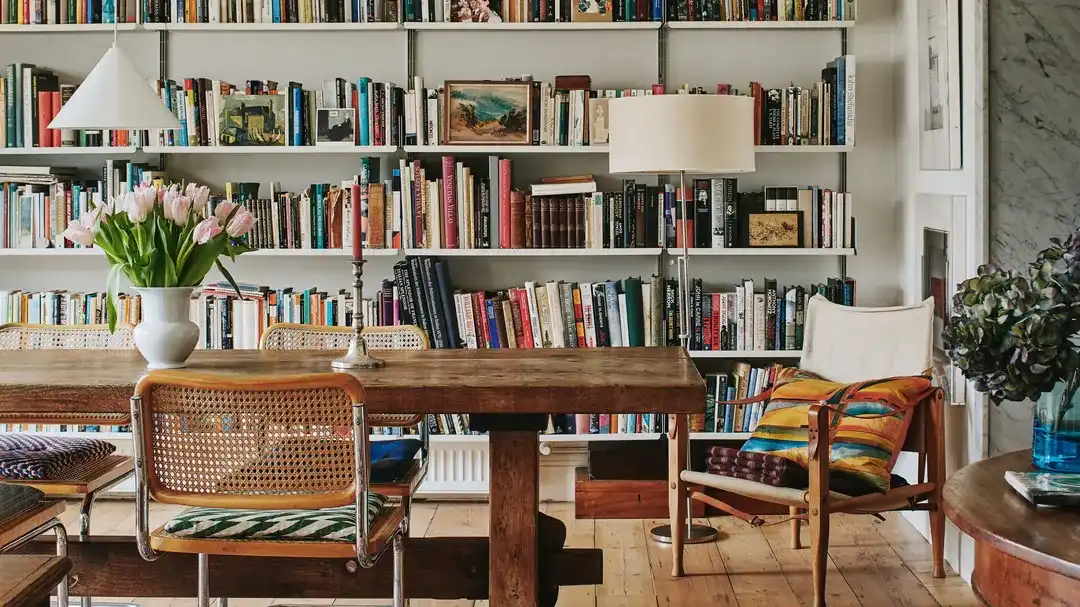
- Warm and Versatile Aesthetic: The natural grain and texture of wood add a cozy, organic feel. Whether you’re aiming for a rustic farmhouse look or a minimalist modern design, wooden shelves can blend seamlessly.
- High Customization Potential: Wood is incredibly adaptable. You can stain it to match your furniture, paint it in bold colors, or even carve intricate designs. This flexibility allows for personalized touches.
- Superior Insulation Properties: Unlike metal, wood doesn’t conduct heat or cold as easily, helping to maintain stable temperatures for stored items like electronics or perishables. It also absorbs sound better, reducing echoes in open-plan areas.
- User-Friendly for DIY Projects: Wood is forgiving and easy to work with. Basic tools like a saw and drill are often all you need for assembly or modifications. This makes wooden shelves a great choice for beginners looking to tackle home improvement projects.
Limitations of Wooden Shelves
Despite their charm, wooden shelves have vulnerabilities that could impact their suitability for certain uses.
- Vulnerability to Environmental Damage: Exposure to moisture can cause warping, swelling, or mold growth. In damp areas like basements, untreated wood might crack or rot over time, shortening its lifespan compared to more resilient materials.
- Moderate Weight Limits: While sturdy, wooden shelves typically can’t handle extreme loads without additional bracing. Storing heavy appliances or boxes could lead to sagging or breakage, posing safety risks.
- Ongoing Maintenance Needs: To preserve their beauty, wooden shelves require periodic treatments like polishing, sealing, or re-staining. Neglect can result in fading, scratches, or pest infestations from termites or beetles.
The Strengths and Weaknesses of Metal Shelves
Metal shelves, often crafted from steel or aluminum, are synonymous with strength and modernity. They’re a go-to for commercial and industrial applications but are increasingly popular in homes too. Here’s a closer look at the pros and cons of metal shelves.
Strengths of Metal Shelves
Metal’s robustness makes it a reliable choice for demanding storage scenarios.
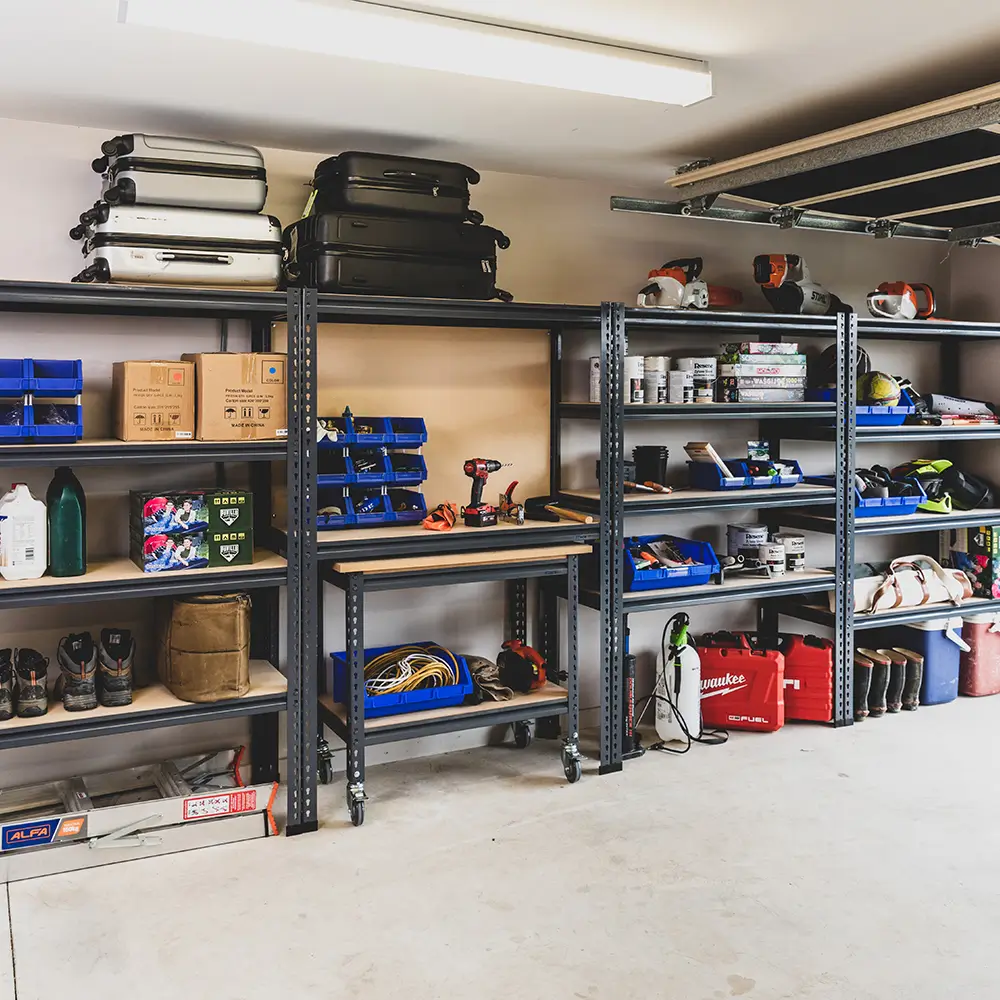
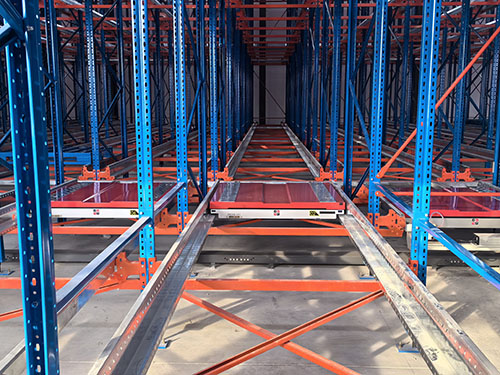
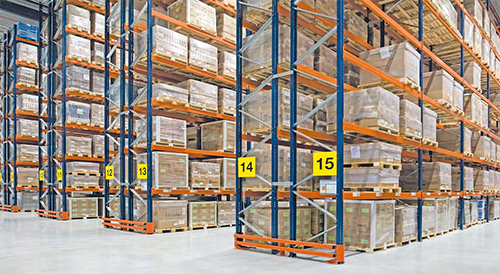
- Exceptional Durability and Longevity: Metal resists wear and tear, including impacts, scratches, and fire. It’s impervious to pests and can endure harsh conditions, making it perfect for warehouses or outdoor sheds where longevity is key.
- Impressive Load Capacity: Designed to support substantial weights, metal shelves are ideal for heavy-duty storage.
- Minimal Maintenance Required: A quick wipe with a damp cloth is usually sufficient to keep metal shelves looking new. Powder-coated finishes add extra protection against dust and grime, saving time and effort.
- Contemporary and Versatile Design: With a clean, streamlined appearance, metal shelves fit industrial chic or minimalist interiors. They come in various finishes.
Weaknesses of Metal Shelves
Metal isn’t flawless, and its industrial nature can sometimes be a drawback.
- Less Inviting Aesthetic: The cool, metallic surface can make spaces feel stark or impersonal. In family-oriented areas like kitchens or bedrooms, this might detract from a warm, homely atmosphere.
- Risk of Corrosion: In humid or coastal environments, untreated metal can rust, leading to structural weakening. Regular inspections and protective coatings are necessary to mitigate this.
- Safety Concerns with Edges: Sharp corners or unfinished edges could cause injuries, especially in households with young children or pets. Adding edge guards or opting for rounded designs can help.
Direct Comparison: Wooden Shelves vs. Metal Shelves
To make your decision easier, here’s a side-by-side comparison of key attributes. This table highlights how wooden and metal shelves differ, allowing you to weigh options based on your priorities.
| Feature | Wooden Shelves | Metal Shelves |
|---|---|---|
| Weight Capacity | Moderate; needs reinforcement for heavy loads | High; ideal for industrial use |
| Durability | Prone to warping, cracking, or moisture damage | Resistant to damage, pests, and fire |
| Maintenance | Requires regular polishing and sealing | Low; simple wipe-down suffices |
| Customization | Easy to paint, stain, or modify | Limited; focuses on functional add-ons |
| Insulation | Good temperature and noise control | Conducts heat/cold; minimal insulation |
| Safety | Soft edges, generally family-friendly | Potential sharp edges; needs caution |
| Cost | Often affordable upfront, but maintenance adds up | Higher initial cost, but long-term savings |
How to Choose Between Wooden and Metal Shelves
Selecting the right shelves boils down to your specific scenario. For aesthetic-driven spaces like living rooms or home offices, wooden shelves provide that essential warmth and personalization.
Conversely, for utilitarian areas such as garages, workshops, or commercial storage, metal shelves offer unmatched reliability. Their ability to hold heavy equipment without fuss makes them indispensable in professional settings.
Budget-wise, wooden options might seem cheaper initially, but factor in durability: metal could prove more economical over years of use. If versatility is key, hybrid solutions—like metal frames with wooden inserts—combine the best of both worlds.
Always measure your space accurately and consult load ratings. For complex setups, professional installation ensures safety and stability.
Common Questions About Wooden vs. Metal Shelves
1. Which shelves are better for heavy storage?
Answer: Metal shelves typically outperform wood in weight capacity, making them suitable for tools, machinery, or bulk goods.
2. Can wooden shelves be used outdoors?
Answer: With proper sealing and weatherproofing, yes—but they’re more susceptible to elements than metal.
3. How do I prevent rust on metal shelves?
Answer: Choose galvanized or powder-coated varieties and avoid prolonged exposure to moisture.
4. Are there eco-friendly options?
Answer: Look for FSC-certified wood or recycled metal to minimize environmental impact.
5. What about cost differences long-term?
Answer: Wooden shelves may need frequent upkeep, while metal’s durability often reduces replacement needs.
Conclusion
Wooden shelving adds elegance and versatile style to cozy interiors, but requires careful care to maintain its perfect appearance. Metal shelving, on the other hand, offers unparalleled durability and portability, easily surviving even the most demanding environments, though it may lack visual warmth.
By considering factors like space, budget, and intended use, you can choose shelving that combines beauty with practicality. If you’re still undecided, contact us at [email protected], where we’ll provide a range of options for you to test. Ultimately, the right choice will transform your storage from cluttered to organized, boosting your efficiency and enhancing the appeal of your daily life.