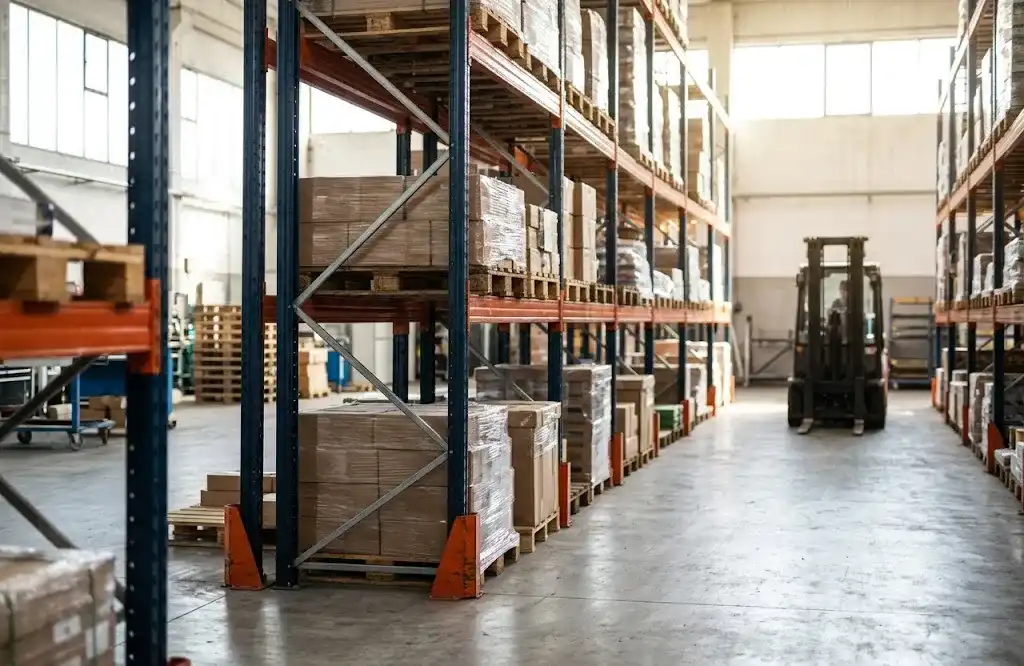


Pallets are essential tools in modern logistics and warehousing, serving as sturdy, portable platforms designed to support and transport loads efficiently. By facilitating the use of equipment like forklifts, pallet jacks, and conveyor systems, pallets streamline handling processes and reduce manual labor.
Pallets come in a variety of materials, designs, and configurations to meet diverse industry needs. Whether reusable or single-use, constructed from wood, plastic, metal, or even cardboard.
This guide dives deep into the world of pallets, exploring their types, features, and applications to help you make informed decisions for your business.
Facts About Pallet Standards
The International Organization for Standardization (ISO) officially recognizes six primary pallet sizes, which vary by region to align with local transportation norms:
- 1219mm × 1016mm: Commonly used in North America for its compatibility with truck and container dimensions.
- 1000mm × 1200mm: A staple in Europe and Asia, ideal for optimizing space in international shipping.
- 1165mm × 1165mm: Predominant in Australia, supporting heavy industrial loads.
- 1100mm × 1100mm: Exclusive to Asia, often employed in manufacturing and retail sectors.
- 800mm × 1200mm: Widely adopted in Europe for efficient Euro-pallet systems.
- Plus, a versatile 800mm × 600mm variant sometimes used in specialized European applications.
Beyond these ISO standards, industries frequently adopt custom sizes tailored to unique requirements, Understanding these dimensions is crucial for seamless integration into your operations, preventing costly mismatches in shipping and storage.
Exploring Pallet Types by Material: Wood, Plastic, Metal, and Cardboard
Pallets are primarily categorized based on their construction materials, each offering distinct advantages and drawbacks. Selecting the right material depends on factors like durability, cost, environmental impact, and hygiene needs.
Wooden Pallets
Wooden pallets dominate the market due to their affordability and strength. Made from hardwoods like oak or softwoods like pine, they can handle heavy loads—often up to 2,500 kg—and are easily repairable. However, they are prone to splintering, moisture absorption, and pest infestation, which can lead to compliance issues in international shipping under ISPM 15 regulations (requiring heat treatment or fumigation).
Applications: Ideal for construction, agriculture, and general freight. For instance, in the lumber industry, wooden pallets support bulky timber stacks during transport.
Plastic Pallets
Plastic pallets, typically crafted from high-density polyethylene (HDPE) or polypropylene, excel in environments demanding cleanliness and longevity. They resist chemicals, moisture, and bacteria, making them fully washable and recyclable. While more expensive upfront, their lifespan (up to 10 years) reduces long-term costs.Plastic Pallets Pros and Cons is Lightweight yet robust, they minimize shipping weight but may deform under extreme heat.
Applications: Perfect for food processing, pharmaceuticals, and cleanrooms. A beverage company, for example, might use plastic pallets to transport bottled drinks without contamination risks.
Metal Pallets
Constructed from steel or aluminum, metal pallets offer unmatched strength and fire resistance, supporting loads exceeding 5,000 kg. They’re highly reusable and recyclable but come with a higher price tag and added weight, which can increase transportation costs.
Key Features: Corrosion-resistant coatings extend their life in harsh conditions.
Applications: Suited for automotive, aerospace, and chemical industries where extreme durability is essential, such as storing engine parts in factories.
Cardboard Pallets
Also known as paper or corrugated pallets, these are made from recycled cardboard, providing a sustainable, low-cost solution for light loads (up to 1,000 kg). They’re biodegradable and exempt from ISPM 15 rules, but they’re vulnerable to water and not ideal for repeated use.
Benefits: Reduce environmental footprint and shipping fees due to their featherlight design.
Applications: Common in retail displays, export of lightweight goods like electronics, or one-way shipments in e-commerce.
7 Essential Pallet Configurations
Beyond materials, pallets vary in design and structure, influencing how they’re handled, stacked, and loaded. Configurations like deck boards, stringers, and blocks determine accessibility and stability.
#1 – Roto-Molded Pallets
Produced through rotational molding—a process that creates a seamless, one-piece structure—roto-molded pallets are cost-effective and available in standard dimensions. Reinforcing them with steel inserts boosts load capacity up to 1,500 kg dynamic. Their smooth surfaces prevent bacterial buildup, making cleaning effortless.
Advantages: Lightweight, impact-resistant, and customizable for nesting when empty.
Drawbacks: Limited color options and potential for warping under prolonged sun exposure.
Applications: Widely used in pharmaceutical and food industries for sterile transport, such as moving medical supplies in hospitals.
#2 – Injection-Molded Pallets
These pallets are formed by injecting molten plastic into molds, resulting in uniform, flat designs in various colors and sizes. HDPE versions are corrosion-proof, recyclable, and withstand temperatures from -40°C to 60°C, with load capacities often reaching 2,000 kg.
Pros: High precision ensures consistent performance; easy to integrate with automated systems.
Cons: Higher initial cost compared to wood, though offset by durability.
Applications: Essential in logistics for lifting and moving goods via forklifts, like in e-commerce warehouses handling packaged consumer products.
#3 – Block/Deck Board Pallets
Featuring a top deck supported by nine to twelve cylindrical blocks (instead of stringers), block pallets allow entry from all four sides, enhancing maneuverability. They may include a bottom deck for added stability and can be made from wood, plastic, or metal.
Key Benefits: Excellent for high-rotation environments; stackable up to several meters high.
Limitations: Blocks can wear out faster in rough handling.
Applications: Popular in distribution centers for efficient pallet racking, such as storing retail inventory in supermarkets.
#4 – Stringer Pallets
Stringer pallets incorporate two or three parallel boards (stringers) between the top and bottom decks, providing extra reinforcement along the length. Standard versions offer two-way entry, while notched four-way variants accommodate forklifts from any direction.
Strengths: Superior load distribution prevents sagging; affordable for wooden models.
Weaknesses: Notched designs may reduce overall strength slightly.
Applications: Ideal for heavy manufacturing, like transporting machinery components in automotive plants.
#5 – Double-Face Pallets
Unlike single-deck pallets, double-face versions have identical top and bottom decks, allowing use on either side. This design distributes weight evenly, supporting heavy-duty loads up to 3,000 kg.
Advantages: Increased lifespan through reversible use; compatible with conveyor belts.
Drawbacks: Heavier and bulkier, potentially raising storage space needs.
Applications: Used in construction for hauling bricks or in military logistics for equipment transport.
#6 – Double-Wing Pallets
These feature overhanging decks that extend beyond the stringers or blocks, creating “wings” for greater surface area. This allows for loading more items without increasing the pallet’s footprint.
Benefits: Maximizes efficiency in space-constrained trailers; prevents goods from shifting.
Cons: Wings can be prone to damage if not handled carefully.
Applications: Excellent for agriculture, such as shipping produce crates in bulk to markets.
#7 – Solid-Deck Pallets
Composed of a continuous, unbroken sheet (often plastic or metal), solid-deck pallets eliminate gaps, ensuring small or loose items don’t fall through. They’re hygienic and easy to sanitize.
Pros: Smooth surface aids in cleaning; resistant to spills.
Limitations: Less breathable, which might affect moisture-sensitive goods.
Applications: Common in electronics assembly lines for transporting circuit boards or in pharmacies for pill bottles.
Incorporating these configurations into your workflow can optimize space, safety, and speed—key to staying competitive.
Benefits of Integrating Pallets into Your Supply Chain
Pallets aren’t just platforms; they’re efficiency boosters. They reduce injury risks by minimizing manual lifting, cut down on packaging waste through standardization, and enable automation in warehouses.
For businesses aiming for sustainability, opting for recyclable materials like plastic or cardboard can lower carbon footprints. Studies from supply chain experts indicate that proper pallet use can improve inventory turnover by up to 30%, highlighting their role in lean operations.
How to Select the Perfect Pallet for Your Operations
Choosing the right pallet involves a strategic evaluation of your business needs. Here’s a step-by-step guide to ensure you make the best choice:
- Assess Product Requirements: Consider the weight, fragility, and type of goods. Heavy machinery calls for metal pallets, while perishables benefit from plastic’s hygiene.
- Evaluate Dimensions and Packaging: Measure your items’ size and quantity to match pallet dimensions, avoiding overhangs that could cause damage.
- Factor in Usage Frequency: For frequent reuse, invest in durable options like injection-molded plastics. One-time shipments might suit economical wooden or cardboard varieties.
- Consider Shipping Regulations: International exports require ISPM 15 compliance; plastic pallets often simplify this by being pest-free.
- Account for Environmental Conditions: In humid or cold storage, avoid moisture-absorbent materials like wood.
- Budget Wisely: Balance upfront costs with long-term savings—reusable pallets pay off over time.
In summary
pallets are foundational to efficient supply chains, with their diverse types offering solutions for every scenario. Whether prioritizing strength, sustainability, or sanitation, the right pallet can transform your operations.