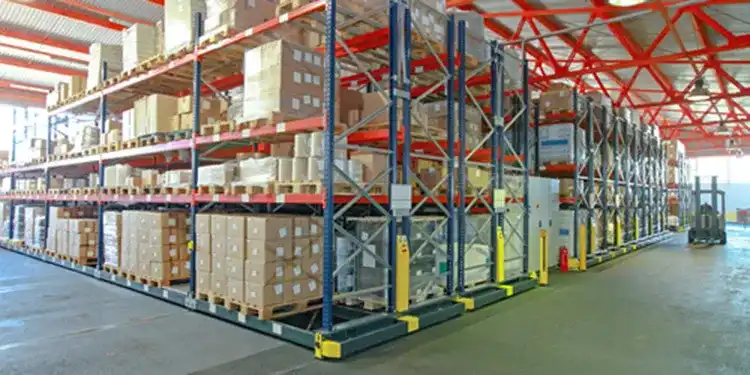


The sound of a forklift making contact with a pallet rack upright is a sound no warehouse manager ever wants to hear. It’s that heart-stopping moment followed by the immediate calculation of potential costs: the downtime, the repair crew, the damaged inventory, and most importantly, the safety risk. Your pallet racking system is the backbone of your operation, and leaving it vulnerable is a gamble. The good news? The solution is straightforward, cost-effective, and something you can tackle proactively.
We’re talking about pallet rack protectors.
Think of them as the affordable insurance policy for your expensive racking infrastructure. These simple yet robust devices are designed to take the hit, so your rack uprights don’t have to. This guide is your complete walkthrough for getting them installed correctly. We’ll cover everything from choosing the right type to tightening the last bolt, ensuring your warehouse becomes a significantly safer and more efficient place.
The Crucial Prep Work
1. Assess Your Racking System and High-Traffic Zones
First, take a walk through your warehouse with a critical eye. Not all rack uprights are created equal, nor do they face the same level of risk.
- Identify Your Rack Type: Do you have teardrop, slotted, or structural steel racking? The design of the upright’s baseplate can influence the type of protector that fits best.
- Measure Your Uprights: Grab a tape measure. You need the precise width and depth of your upright columns. A protector that’s too loose is ineffective, and one that’s too tight won’t fit at all. Common upright sizes are 3″ x 3″ or 3″ x 1.5″, but always measure your own to be certain.
- Map Out High-Risk Areas: Where are forklift impacts most likely to happen? Pay close attention to:
- End-of-aisle uprights: These are the most frequently hit columns in any warehouse.
- Busy intersections and corners: Areas with cross-traffic are hotbeds for accidental collisions.
- Tunnels and drive-through lanes: These narrow passages increase the risk of contact.
- Docking and staging areas: The constant movement of goods makes these zones prime candidates for protection.
2. Choose the Right Pallet Rack Protectors for the Job
Once you know what and where you need to protect, you can select the right type of guard. They aren’t a one-size-fits-all product.
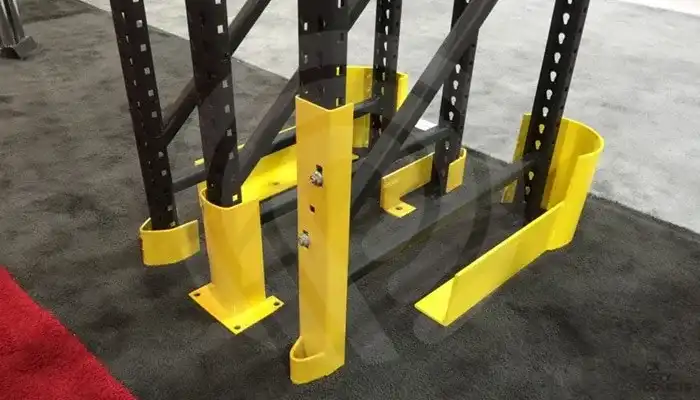
- Column Guards / Upright Protectors: These are the most common type. They wrap around an individual upright column.
- Steel Protectors: These are the heavyweights. Typically made of thick, durable steel and anchored to the concrete floor, they are designed to deflect and absorb significant impacts. They are the best choice for high-traffic and heavy-duty environments.
- Plastic/Polymer Protectors: These are often made from high-density polyethylene. Instead of just deflecting a hit, they are engineered to absorb and dissipate the impact energy. They are usually brightly colored (like safety yellow) for high visibility and often feature a clip-on or strap-on design for easy installation without drilling. They are great for areas with lighter traffic or as a visual deterrent.
- End-of-Aisle Guards (Rack End Protectors): Instead of protecting a single column, these are heavy-duty steel barriers, often curved or L-shaped, that shield the entire end of a rack row. If your budget is tight, prioritizing these will give you the most bang for your buck, as they protect the most vulnerable area.
- Floor-Mounted Rails: These guide rails run along the base of the racking, creating a physical barrier that keeps forklifts and pallet jacks at a safe distance.

For this guide, we’ll focus on installing the most common and effective type: bolt-down steel column guards.
3. Gather Your Tools and Safety Gear
Having everything you need on hand before you start makes the process infinitely smoother. Here’s your checklist:
- Safety Gear (Non-Negotiable):
- Safety Glasses
- Work Gloves
- Steel-Toed Boots
- Dust Mask (for drilling concrete)
- Tools for Installation:
- Hammer Drill or Rotary Hammer
- Concrete Drill Bit (sized to match your concrete anchors)
- Impact Wrench with a Socket Set (or a ratchet and socket set)
- Tape Measure
- Permanent Marker or Pencil
- Broom and Dustpan, or a Shop-Vac
- Hammer
A Step-by-Step Installation Guide
You’ve done your prep work, you have your protectors, and your tools are ready. Let’s get these installed. The following steps are for standard bolt-down steel pallet rack protectors.
Step 1: Clean and Inspect the Area
Clear the area around the base of the upright you’re working on. Remove any pallets, debris, or dust. This is also the perfect time to inspect the concrete floor. You need a solid, level, and crack-free surface to anchor into. If the concrete is badly damaged or crumbling, you must repair it before proceeding.
Step 2: Position the Protector
Slide the pallet rack protector into place around the base of the upright column. It should fit snugly but not be so tight that you have to force it. Ensure it’s sitting flat and flush against the floor. Most protectors are designed with a small “lift-off” gap between the protector and the upright itself, which is crucial for energy dissipation during an impact.
Step 3: Mark Your Drill Holes
With the protector held firmly in position, use your permanent marker to mark the center of each anchor hole onto the concrete floor. Once you’ve marked all the holes (typically four per protector), carefully move the protector out of the way.
Step 4: Drill the Anchor Holes
This is the most critical step for ensuring a secure fit.
- Choose the Right Bit: Your concrete anchor bolts will specify the required drill bit diameter. Using the wrong size will result in an anchor that is too loose or won’t fit at all.
- Set the Correct Depth: The anchors will also specify a minimum embedment depth. Measure this depth on your drill bit and mark it with a piece of tape. This ensures you don’t drill too shallow or excessively deep.
- Drill the Holes: Put on your dust mask and safety glasses. Using your hammer drill, drill straight down (perpendicular to the floor) on the marks you made. Apply steady, firm pressure.
Step 5: Clean the Holes Thoroughly
Do not skip this step! Concrete dust left in the holes can reduce the anchor’s holding power by up to 50%. Use a shop-vac with a narrow nozzle or a can of compressed air to blow out every last bit of dust and debris from each hole. A clean hole is essential for a secure anchor.
Step 6: Install the Concrete Anchors
Place the protector back into position, aligning its holes with the ones you just drilled in the floor. Insert the concrete anchor bolts through the protector’s baseplate and into the holes. You may need to gently tap the top of the anchors with a hammer to get them fully seated. Ensure the washer and nut are on the anchor before you tap it in.
Step 7: Tighten and Secure
Using your impact wrench or socket wrench, begin to tighten the nuts on the anchors. Tighten them in a star or crisscross pattern to ensure even pressure, much like you would when changing a car tire. The anchor is secure when it meets the manufacturer’s specified torque value or when it is firmly snug. Be careful not to over-tighten, as this can crack the concrete or damage the anchor itself.
Step 8: Final Inspection
Give the newly installed protector a good, firm shake. It should feel completely solid with no wobble or movement. If it moves, re-check the tightness of your anchors. Once it’s secure, sweep up any remaining dust, and you’re done! Move on to the next one.
Conclusion
By following these steps, you’ve done more than just bolt a piece of steel to the floor. You’ve made a powerful, proactive investment in the safety and longevity of your warehouse. Installing pallet rack protectors is one of the highest-ROI safety upgrades you can make. It prevents catastrophic rack failures, protects your valuable inventory, minimizes operational downtime, and most importantly, creates a safer environment for your team.
Frequently Asked Questions (FAQ)
What Are Pallet Rack Protectors and Why Do You Need Them?
Pallet rack protectors are sacrificial safety devices, typically made of steel or high-density plastic, that are installed around the base of pallet rack uprights. Their sole purpose is to absorb and deflect impacts from forklifts, pallet jacks, and other material handling equipment.
- Asset Protection: A single damaged upright can compromise the structural integrity of an entire rack section, putting thousands of dollars of inventory at risk. The cost of a protector is a tiny fraction of the cost of replacing a rack and its contents.
- Safety and Compliance: Damaged racking is a major safety hazard that can lead to catastrophic collapse and serious injury. Regulatory bodies like OSHA (in the U.S.) have strict standards for rack integrity. Protectors help you maintain a safe and compliant workplace.
- Reduced Downtime: Repairing or replacing a damaged rack is a major disruption. It requires unloading the affected section, cordoning off the area, and bringing in a specialized repair crew, all of which translates to lost productivity and revenue.
When Should You Replace Your Pallet Rack Protectors?
You should replace a pallet rack protector immediately after it has sustained a significant impact. If a protector is visibly dented, deformed, cracked, or has been pushed out of position, it has done its job by absorbing the impact energy. Its protective capacity is now diminished, and it must be replaced to ensure continued safety. Also, regularly inspect the anchors to ensure they haven’t been loosened by an impact; if the protector is wobbly, it needs attention.
Why Investing in Pallet Rack Protectors Is Crucial for Your Business?
Investing in pallet rack protectors is crucial because it is a classic example of prevention being exponentially cheaper than the cure. The potential cost of a single rack failure is immense and multi-faceted:
- Direct Costs: Damaged racking, destroyed inventory, and equipment repair.
- Indirect Costs: Operational downtime, lost orders, and project delays.
- Liability Costs: Potential for worker injuries, increased insurance premiums, and hefty fines from safety violations.
By proactively installing protectors, you are mitigating all of these risks for a minimal upfront cost. It’s a strategic decision that strengthens your operational resilience, protects your bottom line, and fosters a strong culture of safety.
How Do Pallet Rack Protectors Improve Warehouse Safety?
- Physical Protection: Their most obvious function is to provide a robust physical barrier. They absorb the kinetic energy from a collision that would otherwise be transferred directly to the critical vertical upright. This prevents the upright from being creased, buckled, or sheared, which is the leading cause of rack system failure and collapse.
- Visual Guidance: Most protectors are painted in a highly visible color, such as safety yellow. This makes the base of the rack much more noticeable to forklift operators, especially in their peripheral vision. This visual cue helps drivers better judge their turning radius and distance from the rack, preventing many impacts from ever happening in the first place. They serve as a constant, silent reminder to operate with caution.