

Gondola shelving units are freestanding, double-sided retail display fixtures commonly found in supermarkets, convenience stores, and retail environments. These versatile shelving systems feature a central base with adjustable shelves extending on both sides, maximizing floor space utilization while providing accessible product display from multiple angles. For more insights into various shelving systems, check out our Light Duty Shelving Factory Video. Originally popularized by grocery stores in the mid-20th century, gondola shelving has become the backbone of modern retail merchandising infrastructure.
Key Takeaways
- Gondola shelving units are double-sided, freestanding fixtures ideal for creating store aisles and product displays
- Available in various heights (36″ to 84″), lengths (36″ to 48″ sections), and configurations to suit different retail environments
- Standard components include base decks, uprights, shelves, back panels, and end caps for maximum merchandising flexibility
- Superior to wall shelving for space efficiency, offering 360-degree product access and aisle formation capabilities
- Applicable across grocery stores, pharmacies, convenience stores, libraries, and warehouse settings
- Installation requires proper anchoring, weight distribution planning, and compliance with safety regulations
Gondola Shelving Systems: Structure and Components
Gondola shelving represents a modular shelving architecture designed for commercial product display. Unlike single-sided wall units, these systems stand independently in retail spaces, creating navigable aisles while showcasing merchandise on both faces.
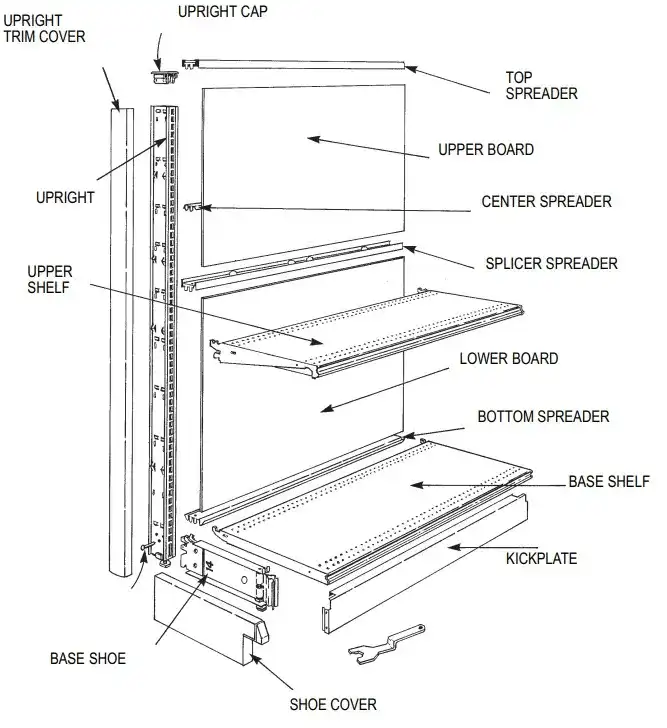
Core Structural Elements
Base Deck: The bottom platform provides stability and serves as the lowest display level. Typically constructed from heavy-gauge steel, base decks range from 18″ to 24″ in depth and support substantial weight loads.
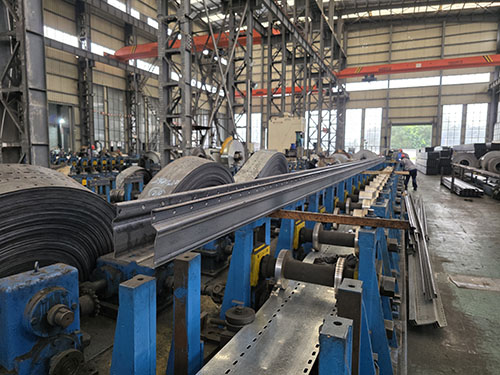
Uprights (Standards): Vertical posts with punched slots at regular intervals allow shelf height adjustment. To understand how these components are crafted, you can view our Beam Upright Production Video. Commercial-grade uprights are manufactured from 16-18 gauge steel with powder-coat finishes.
Shelves: Adjustable display surfaces that hook into upright slots. Available in wire, solid steel, wood, or glass materials depending on product requirements.
Back Panels: Solid or pegboard panels separate the two sides while providing additional product support and visual definition.
End Caps: Terminal display units at aisle ends, offering prime merchandising real estate for promotional items or high-margin products.
| Component | Material Options | Standard Dimensions | Primary Function |
|---|---|---|---|
| Base Deck | Steel, Particle Board | 18″-24″ depth | Foundation & stability |
| Uprights | 16-18 gauge steel | 36″-84″ height | Vertical support structure |
| Shelves | Steel, Wire, Wood, Glass | 24″-48″ width | Product display surface |
| Back Panel | Steel, Pegboard | Matches upright height | Aisle separation |
| End Cap | Matching system materials | 12″-24″ depth | Promotional display |
Gondola systems operate on modular principles, allowing retailers to expand or reconfigure layouts as business needs evolve. Standard sections connect through shared uprights, creating continuous runs of any desired length:
- Shelf spacing adjustable in 1″ increments
- Interchangeable accessories (hooks, bins, dividers)
- Convertible single-sided or double-sided configurations
- Stackable base and upper sections for height variation
Types of Gondola Shelving Units
1. The Uprights (Vertical Columns)
The uprights are the backbone of the system. These heavy-gauge steel posts feature slots at regular intervals (typically every 1 inch). This slotting system is what gives you the flexibility to move shelves up or down. For heavy-duty applications, ensure you select uprights made from high-grade steel to prevent buckling under load.
Applications: Supermarkets, hardware stores, pet supply retailers, and any environment requiring high-capacity product display with customer access from both sides.
Single-Sided (Wall) Gondolas
Modified gondola systems designed for perimeter placement against walls. These units feature shelving on one side only, with the back flush to wall surfaces.
Use Cases: Perimeter merchandising, department transitions, and spaces where double-sided access isn’t feasible or desirable.

End Cap Displays
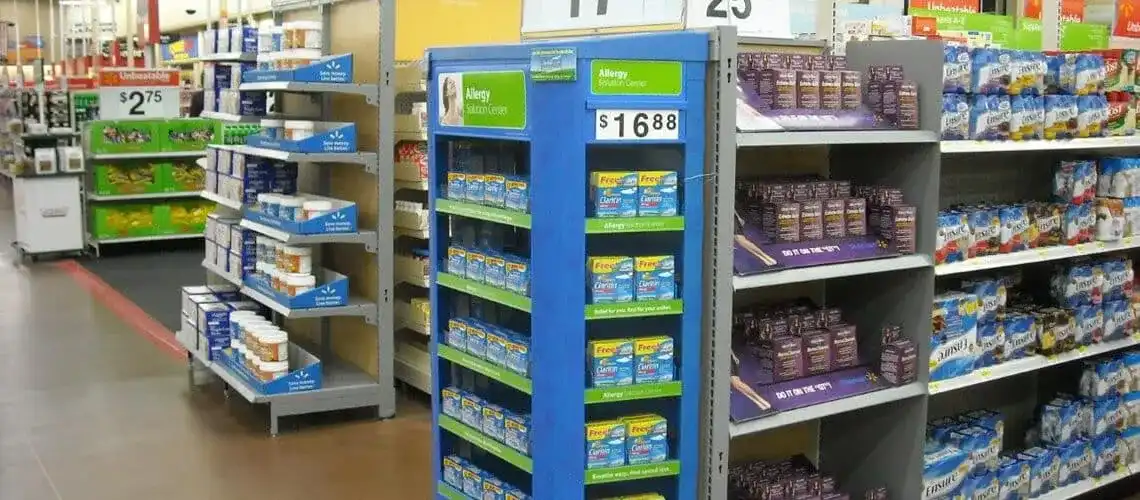
Specialized gondola terminals positioned at aisle ends. These high-visibility locations command premium placement for seasonal items, promotional merchandise, or impulse purchases.
Merchandising Value: Studies indicate end cap locations generate 30-400% higher sales velocity compared to mid-aisle positions due to increased exposure.
Specialty Gondola Configurations
Curved Gondolas: Rounded units that soften store aesthetics while guiding traffic flow through gentle directional cues. Discover our specialized rack production in the Specified Show Rack Factory Video.
Island Gondolas: Shorter, often lower-profile units placed in open floor areas rather than forming traditional aisles.
Pharmacy Gondolas: Narrower depth units (12″-16″) designed for smaller packaged goods typical in pharmacy and health/beauty categories.
Gondola Shelving Dimensions and Specifications
| Height Category | Typical Range | Best Suited For | Visibility Considerations |
|---|---|---|---|
| Low-Profile | 36″-48″ | Sight-line maintenance, open feel | Complete store visibility |
| Medium Height | 54″-66″ | Standard retail, balanced capacity | Partial sight-line retention |
| Tall Units | 72″-84″ | Maximum storage density | Limited cross-aisle visibility |
Lower gondola heights maintain open sight lines across retail spaces, enhancing security and creating spacious atmospheres. Taller units maximize vertical storage but may create isolated aisle feelings.
End Caps
Section Length: Individual gondola sections typically measure 36″ or 48″ wide. Retailers combine multiple sections to achieve desired aisle lengths, with typical runs ranging from 12′ to 50′ depending on store format.
Shelf Depth: Standard depths include:
- 16″ depth: Health/beauty, small packaged goods
- 18″-20″ depth: General merchandise, grocery
- 24″ depth: Bulkier items, hardware, pet supplies
Weight Capacity
Commercial gondola shelving supports substantial loads when properly installed:
- Per Shelf: 200-350 lbs depending on shelf material and span
- Per Section: 1,500-2,500 lbs total capacity
- Base Deck: 500-800 lbs concentrated load
Always verify manufacturer specifications and distribute weight evenly across available shelves to prevent structural failure or safety hazards.
Gondola Shelving vs. Alternative Retail Fixtures
Gondola vs. Wall Shelving Systems
Space Efficiency: Gondola units utilize floor space more effectively than wall shelving by creating usable display surfaces on both sides. A 48″ gondola section provides double the linear display footage of equivalent wall shelving.
Flexibility: Freestanding gondolas allow layout modifications without construction, while wall shelving requires permanent mounting and limits reconfiguration options.
Traffic Management: Gondola arrangements create defined pathways that guide customer movement, whereas wall shelving leaves open floor plans that may reduce shopping efficiency.
Gondola vs. Pallet Racking
While both serve storage functions, these systems target different operational needs:
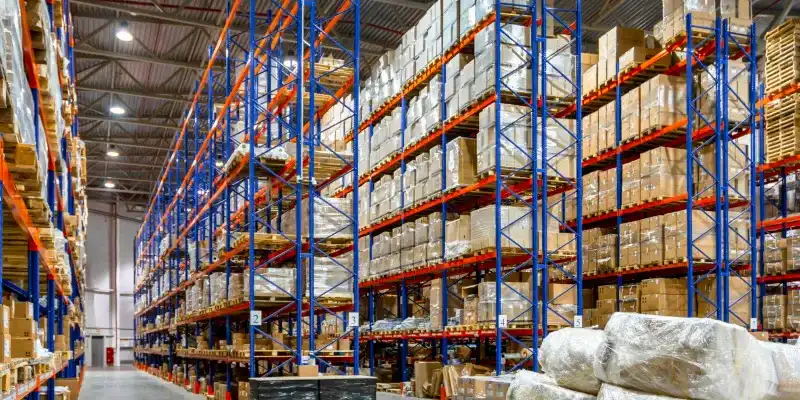
Pallet racking excels in warehouse environments requiring high-density bulk storage with forklift access. These systems prioritize vertical space utilization over product accessibility.
Gondola shelving focuses on customer-facing retail display with hand-level accessibility. The emphasis falls on product presentation and shopping convenience rather than maximum storage density.
Comparative Investment Analysis
| System Type | Initial Cost (per linear foot) | Installation Complexity | Reconfiguration Ease |
|---|---|---|---|
| Gondola Shelving | \$75-\$200 | Moderate | High |
| Wall Shelving | \$50-\$150 | Low to High | Low |
| Pallet Racking | \$100-\$300 | High | Moderate |
| Wire Shelving | \$40-\$100 | Low | High |
Installation Best Practices and Safety Requirements
Site Preparation Requirements
Before gondola installation, assess floor conditions thoroughly. Concrete floors should be level within 1/4″ per 10 feet to prevent wobbling or instability. Repair cracks or surface irregularities that might compromise base stability.
Floor Load Capacity: Verify that floor systems support anticipated loads. Fully loaded gondola sections can impose concentrated loads of 2,000+ lbs per base footprint.
Assembly Sequence
- Position base decks according to floor plan, ensuring proper spacing for desired aisle widths
- Install uprights into base deck receivers, verifying vertical alignment with levels
- Connect sections through shared uprights, creating continuous runs
- Attach back panels to provide structural rigidity and product separation
- Insert shelves at planned heights, distributing evenly between sides
- Add accessories including dividers, hooks, or specialty attachments
- Anchor units to floor or ceiling per code requirements
Anchoring and Stability Protocols
Building codes in most jurisdictions require gondola shelving anchoring to prevent tip-over accidents. For additional safety measures, consider our Plastic Upright Rack Protectors. Anchoring methods include:
Floor Anchoring: Concrete anchors secure base decks to floor surfaces. Position anchors near upright locations for maximum effectiveness.
Ceiling Suspension: Wire cables or rigid struts connect upper gondola sections to ceiling structures, particularly important for tall units (72″+).
Cross-Bracing: Horizontal stabilizers between parallel gondola runs provide lateral stability without floor penetration.
The Consumer Product Safety Commission recommends anchoring any retail shelving exceeding 60″ in height to prevent tip-over hazards, especially in seismic zones.
Weight Distribution Planning
Proper loading prevents structural stress and safety risks:
- Place heavier items on lower shelves (bottom 1/3 of unit height)
- Distribute weight evenly across shelf surfaces
- Avoid concentrated loads at shelf ends or centers
- Never exceed manufacturer weight ratings per shelf or section
- Regularly inspect for sagging shelves indicating overloading
For businesses seeking professional guidance on optimal gondola shelving configurations tailored to specific retail environments, Aceally provides expert consultation and customized solutions. Visit the Contact page to discuss your merchandising infrastructure needs.
Industry Applications and Use Cases
What is the difference between gondola shelving and regular shelving?
Gondola shelving is a specialized, freestanding, double-sided system designed for retail environments. Unlike regular shelving (which often requires wall mounting or four corner posts), gondola units use a central upright and cantilevered base, allowing for unobstructed access to products and easy reconfiguration of shelf heights without tools.
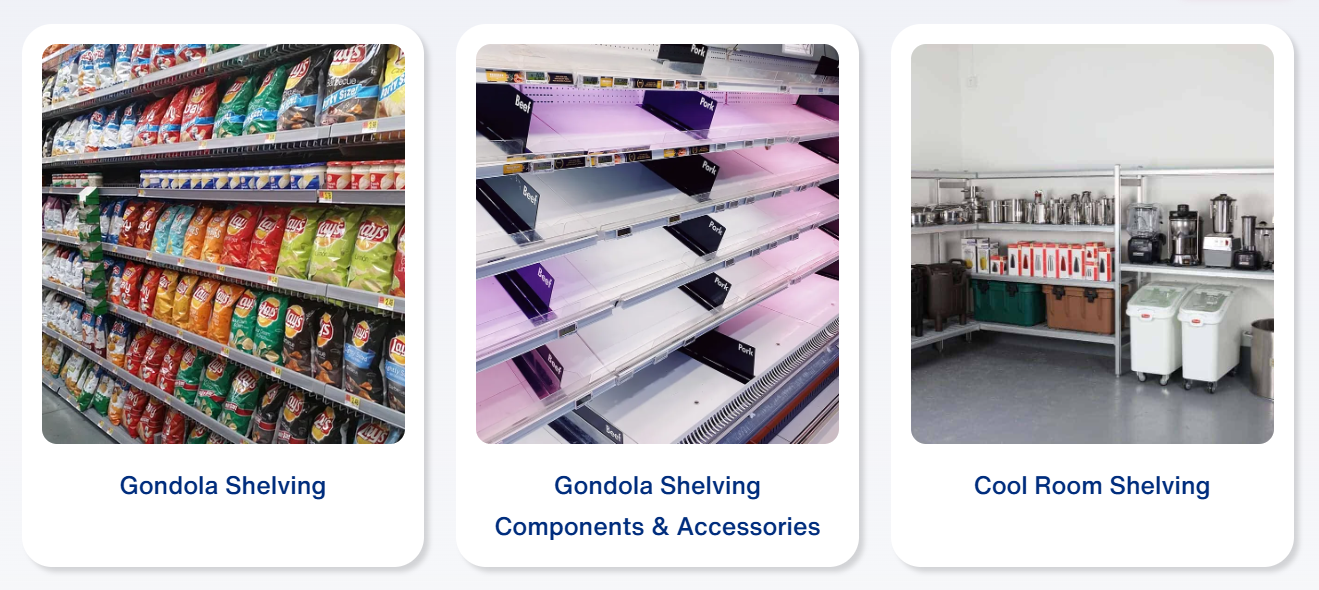
Category Management: Adjustable shelving accommodates varying package sizes from spices to cereal boxes. Retailers modify shelf heights seasonally to optimize facings for promotional items.
Convenience Store Layouts
C-store formats utilize shorter gondola runs (12′-20′) with lower heights (48″-60″) to maintain sight lines for security. The compact footprint maximizes product variety within limited square footage.
Pharmacy and Health/Beauty Retail
Pharmacies employ narrower gondola depths (12″-16″) suited to smaller packaged goods. The reduced depth allows narrower aisle spacing, increasing linear display footage within constrained retail spaces.
Library and Media Storage
Libraries adapt gondola systems for book and media storage. Double-sided access facilitates browsing, while adjustable shelves accommodate varying media formats from paperbacks to oversized reference volumes.
Warehouse and Stockroom Applications
Beyond customer-facing retail, gondola shelving serves warehouse environments requiring hand-loaded storage. Many businesses buy gondola shelving as part of comprehensive custom warehouse racking solutions that optimize both retail and storage spaces. Explore a practical application of shelving systems in our Heavy Duty Pallet Racks for Tiles Storage Project. The accessibility and organization exceed pallet racking for small parts, tools, or inventory requiring frequent picking.
Material Options and Finish Selections
Steel Construction Standards
Commercial gondola systems predominantly utilize steel construction for durability and load capacity:
Cold-Rolled Steel: Uprights and structural components manufactured from 16-18 gauge steel provide strength while maintaining reasonable weight for installation handling.
Powder-Coat Finishes: Electrostatic powder coating delivers superior durability compared to paint, resisting chips, scratches, and corrosion. Standard colors include white, black, and metallic finishes matching retail aesthetics.
Shelf Material Variations
Steel Shelves: Solid or perforated steel shelves offer maximum strength and clean appearance. Perforations reduce weight while maintaining structural integrity.
Wire Shelves: Open wire construction provides visibility and airflow, beneficial for refrigerated environments or inventory requiring ventilation.
Wood Shelves: Laminated particle board or solid wood creates warm aesthetics for specialty retail. Wood surfaces better display certain product categories but offer lower weight capacity than steel.
Glass Shelves: Tempered glass provides premium appearance for high-end retail, jewelry, or cosmetics. Limited weight capacity restricts applications.
Accessory Integration
Gondola systems accommodate extensive accessory ranges:
- Shelf dividers: Organize products and prevent cross-merchandising
- Product pushers: Maintain forward-facing product presentation
- Peg hooks: Display hanging merchandise on back panels or shelves
- Basket attachments: Add dimensional variety to flat shelving
- Signage holders: Communicate pricing and product information
- Lighting integration: Illuminate products for enhanced visibility
Cost Considerations and Budget Planning
Price Ranges by Configuration
Gondola shelving investment varies significantly based on specifications:
| Configuration | Price Range (per 4′ section) | Typical Components Included |
|---|---|---|
| Basic Starter Unit | \$200-\$400 | Base, 2 uprights, 4 shelves, back panel |
| Standard Add-On Section | \$150-\$300 | 1 upright, 4 shelves, back panel |
| Heavy-Duty Industrial | \$400-\$700 | Reinforced base, heavy uprights, 5 shelves |
| Specialty/Custom | \$500-\$1,200+ | Custom finishes, integrated lighting, specialty materials |
Total Project Costs: A typical small retail store (2,000 sq ft) requiring 200 linear feet of gondola shelving might invest $8,000-$15,000 for complete fixtures including installation.When you buy gondola shelving from a reputable gondola shelving supplier, you often receive volume discounts, professional installation services, and warranties that protect your investment.
New vs. Used Equipment Decisions
New Gondola Systems provide:
- Manufacturer warranties (typically 1-5 years)
- Current design aesthetics
- Consistent finish matching
- Full accessory compatibility
- Compliance with current safety standards
Used/Refurbished Systems offer:
- 40-60% cost savings versus new equipment
- Immediate availability without manufacturing lead times
- Environmental sustainability through equipment reuse
- Potential finish inconsistencies or wear
- Limited or no warranty coverage
Long-Term Value Assessment
Quality gondola shelving delivers 15-25 year service lives with proper maintenance. When evaluating options, consider:
Total Cost of Ownership: Factor installation, accessories, future reconfiguration needs, and replacement timelines rather than initial purchase price alone.
Scalability: Systems allowing future expansion without obsolescence protect against costly complete replacements as businesses grow.
Maintenance Requirements: Powder-coated steel requires minimal maintenance compared to painted finishes needing periodic refinishing.
Summary
Gondola shelving systems represent the foundation of effective retail merchandising infrastructure. The combination of space efficiency, merchandising flexibility, and long-term durability makes these fixtures essential for businesses ranging from convenience stores to large-format retail operations. Proper selection, installation, and maintenance ensure these systems deliver decades of reliable service while adapting to evolving business needs.
As a leading gondola shelving supplier, Aceally specializes in engineered storage and display solutions tailored to specific retail environments and operational requirements. Whether you’re ready to buy gondola shelving for a new store launch, seeking custom warehouse racking solutions for renovation projects, or expanding your retail footprint, expert guidance ensures optimal configurations that maximize both merchandising effectiveness and return on investment. Connect with Aceally through the Contact page to discuss how customized gondola shelving solutions can transform your retail space.
Frequently Asked Questions
What is the difference between gondola shelving and regular shelving?
Gondola shelving is freestanding and double-sided, designed to create aisles in retail spaces, while regular shelving typically mounts to walls and displays products on one side only. Gondolas maximize floor space utilization through 360-degree accessibility.
How much weight can gondola shelving hold?
Standard commercial gondola shelves support 200-350 lbs per shelf depending on material and span length, with total section capacities ranging from 1,500-2,500 lbs when weight is properly distributed across multiple shelves.
Do gondola shelving units need to be anchored?
Yes, building codes typically require anchoring for gondola units exceeding 60″ in height to prevent tip-over hazards. Anchoring methods include floor bolts, ceiling suspension, or cross-bracing between parallel runs.
What are standard gondola shelving dimensions?
Common gondola sections measure 36″-48″ wide, 16″-24″ deep, and 36″-84″ tall. Retailers combine multiple sections to create desired aisle lengths, with adjustable shelf heights in 1″ increments.
Can gondola shelving be used in warehouses?
Yes, gondola shelving works well for warehouse applications requiring hand-loaded storage of small parts, tools, or frequently accessed inventory. However, pallet racking better serves bulk storage requiring forklift access.
How long does gondola shelving last?
Quality commercial gondola systems deliver 15-25 year service lives with proper maintenance. Powder-coated steel construction resists corrosion and wear better than painted alternatives.
What is the purpose of gondola end caps?
End caps are specialized display units at aisle terminals that provide high-visibility merchandising locations. These premium positions typically generate significantly higher sales velocity for featured products compared to mid-aisle placement.
Are gondola shelving units adjustable?
Yes, shelves adjust vertically in 1″ increments through slotted uprights, allowing retailers to modify configurations for different product sizes without tools. This flexibility accommodates seasonal merchandise changes and category resets.
Where can I buy gondola shelving for my retail store?
You can buy gondola shelving directly from manufacturers like Aceally, who serve as a trusted gondola shelving supplier with extensive experience in retail fixtures. Purchasing from a specialized supplier ensures access to quality products, customization options, professional installation support, and after-sales service.
Can gondola shelving be part of custom warehouse racking solutions?
Yes, gondola shelving integrates seamlessly into custom warehouse racking solutions. Many businesses combine gondola units for retail display areas with pallet racking and other storage systems for back-of-house operations. A comprehensive gondola shelving supplier can design integrated solutions that optimize both customer-facing and storage spaces.