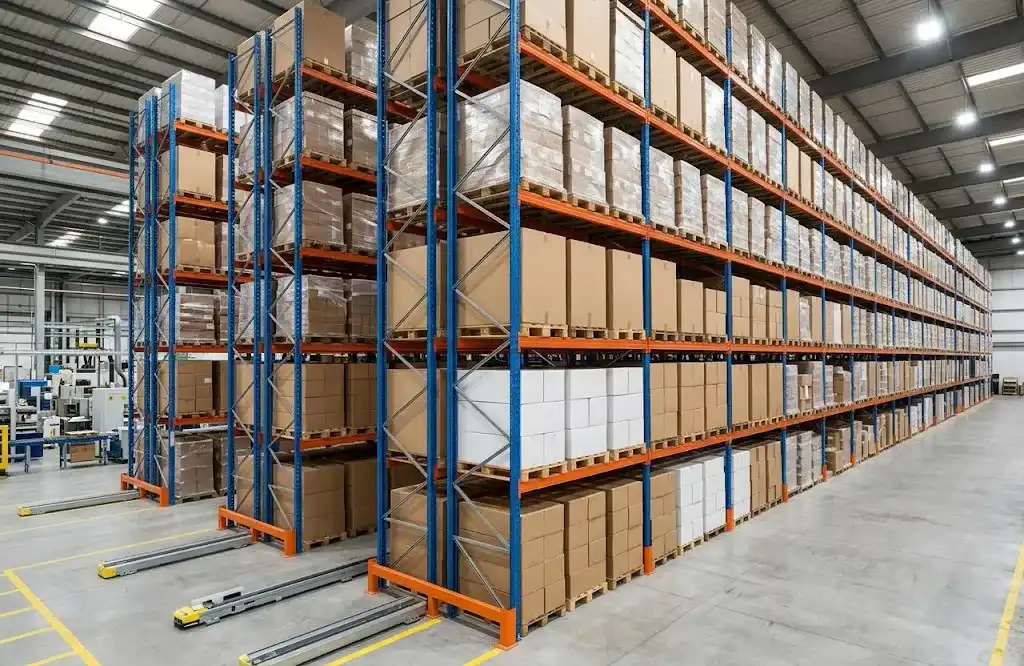


OSHA 29 CFR 1910 is not actually a certification; it is a set of workplace safety regulations established by OSHA for general industry employers in the United States. Despite being commonly referred to as an “OSHA 29 CFR 1910 certification,” the standard itself does not provide a certificate. Instead, businesses are expected to comply with its requirements to maintain a safe and healthy working environment.
For manufacturers, warehouses, distribution centers, and industrial facilities, understanding OSHA 29 CFR 1910 is essential. Compliance can help reduce workplace injuries, improve operational efficiency, and avoid costly penalties. In this guide, we explain what OSHA 29 CFR 1910 is, who it applies to, and how companies can achieve compliance.
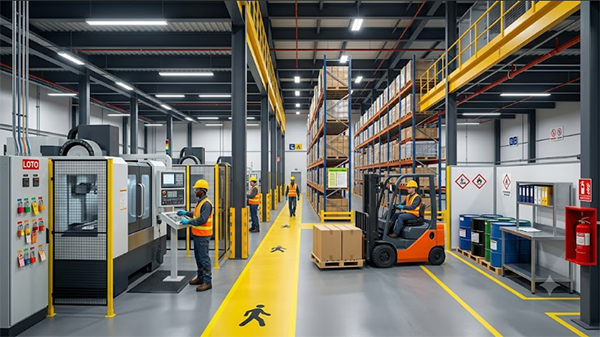
Understanding OSHA 29 CFR 1910
What Does OSHA Stand For?
OSHA stands for the Occupational Safety and Health Administration, a federal agency within the U.S. Department of Labor. OSHA was established under the Occupational Safety and Health Act of 1970 to ensure safe and healthful working conditions for employees across the United States. The agency develops and enforces workplace safety standards while also providing training, outreach, and educational resources to employers and workers.
What Is 29 CFR 1910?
The term “29 CFR 1910” refers to Part 1910 of Title 29 in the Code of Federal Regulations (CFR). These regulations contain workplace safety requirements for general industry operations. Unlike construction standards, which are covered under OSHA 29 CFR 1926, Part 1910 applies to a broad range of industries, including:
- ■ Manufacturing facilities
- ■ Warehouses
- ■ Distribution centers
- ■ Retail operations
- ■ Logistics companies
- ■ Food processing plants
- ■ Metal fabrication facilities
The regulations cover numerous workplace safety topics, including machine guarding, electrical safety, personal protective equipment (PPE), fire protection, material handling, and hazard communication.
⚠️ Is OSHA 29 CFR 1910 a Certification?
One of the most common misconceptions is that OSHA issues an OSHA 29 CFR 1910 certification. In reality, OSHA does not certify businesses as compliant with Part 1910. Instead:
- • OSHA establishes safety regulations.
- • Employers are responsible for compliance.
- • OSHA inspectors may conduct workplace inspections.
- • Violations can result in citations and penalties.
*Some third-party organizations offer safety audits or training certificates, but these are not official OSHA certifications.
Who Must Comply with OSHA 29 CFR 1910?
OSHA 29 CFR 1910 applies to most private-sector employers engaged in general industry activities. Typical facilities covered include:
Manufacturing Plants
Factories that produce machinery, consumer products, electronics, food products, and industrial equipment must comply with OSHA safety requirements.
Warehouses and Distribution Centers
Warehouses face numerous safety challenges, including forklift traffic, pallet storage, loading operations, and material handling. OSHA regulations help reduce the risk of injuries in these environments.
Retail and Wholesale Facilities
Many retail operations maintain stockrooms, storage areas, and material handling equipment that fall under OSHA’s jurisdiction.
Logistics and Transportation Operations
Distribution hubs and logistics centers frequently handle large volumes of inventory and equipment, making workplace safety compliance particularly important.
Key OSHA 29 CFR 1910 Requirements
The standard establishes stringent rules across critical operational zones to prevent industrial accidents.
1. Walking-Working Surfaces
OSHA requires employers to maintain safe walking and working surfaces to prevent slips, trips, and falls—one of the leading causes of workplace injuries.
- ✔ Keeping floors clean and dry
- ✔ Repairing damaged surfaces
- ✔ Providing guardrails where necessary
- ✔ Maintaining safe access to elevated work areas
2. Personal Protective Equipment (PPE)
Employers must conduct rigorous hazard assessments and provide appropriate protective equipment when workplace hazards cannot be entirely engineered out. Mandatory gear often includes:
*Employees must also receive proper documented training on PPE use and maintenance.
3. Fire Protection and Prevention
Proper fire protection drastically reduces the likelihood of catastrophic industrial incidents. Key safety measures include:
- • Designated fire extinguisher placement and checks
- • Actionable emergency action plans
- • Clear employee evacuation procedures
- • Strict exit route maintenance (unblocked pathways)
- • Proactive fire prevention programs
4. Electrical Safety
Electrical hazards can cause severe, life-altering injuries and fatalities. Compliance mandates:
- [!] Proper equipment maintenance
- [!] Safe wiring practices
- [!] Strict lockout/tagout (LOTO) procedures
- [!] Comprehensive electrical hazard training
- [!] Heavy protection against accidental campus activation
5. Hazard Communication
Commonly referred to as the “Right-to-Know” standard, employees must be fully informed about hazardous chemicals used in the facility via:
- • Accessible Safety Data Sheets (SDS)
- • Standardized chemical labeling
- • Continuous employee training
- • Written hazard communication programs
OSHA 1910 Standards Related to Warehouse Operations
Warehouses represent one of the most common high-risk environments heavily impacted by OSHA 29 CFR 1910 regulations.
Pallet Racking Safety
Structures must be meticulously maintained in safe operating conditions to avoid structural collapses:
- • Clearly display maximum load capacities
- • Inspect racks regularly for structural fatigue
- • Immediately replace damaged components
- • Prevent systemic overloading
- • Protect uprights from heavy forklift impacts
Forklift Safety (1910.178)
Powered industrial trucks are essential warehouse tools but remain a primary source of severe accidents. OSHA requires:
- • Mandatory operator certification and training
- • Routine documented performance evaluations
- • Strict daily pre-shift equipment inspections
- • Standardized safe operating speeds and rules
- • Preventive industrial maintenance
Material Storage Guidelines
Stored materials must be stable and organized securely to prevent falling objects and structural failures:
- • Enforce maximum stack height limitations
- • Leverage stable block-stacking practices
- • Ensure proper, undamaged pallet conditions
- • Maintain adequate, unblocked aisle clearances
- • Deploy secure inventory handling methods
Traffic Management
Employers must implement rigorous traffic control plans that separate pedestrians and heavy vehicles:
- • Highly visible marked walkways for staff
- • Clear industrial warning signs at intersections
- • Enforced vehicle speed controls
- • Heavy duty structural safety barriers
- • Optimized facility-wide traffic flow planning
How Companies Demonstrate OSHA 29 CFR 1910 Compliance
To ensure a facility aligns with legal expectations, standard operating procedures should be integrated into daily operations through five core pillars:
• Conduct Workplace Risk Assessments Regular risk assessments help identify severe hazards regarding equipment safety, storage infrastructure, employee workflows, traffic patterns, and overall emergency readiness before they culminate in accidents.
• Implement Safety Programs Written safety blueprints offer definitive rules covering critical areas like incident reporting protocols, hazard mitigation strategies, emergency emergency responses, PPE mandates, and machinery operations.
• Train Employees Documented employee instruction ensures ground-level teams thoroughly master hazard recognition, specialized equipment mechanics, evacuation drills, chemical protocols, and strict plant rules.
• Perform Routine Inspections Consistent interior evaluations catch infrastructure failures—such as compromised racking, forklift defects, electrical flaws, fire suppression blockages, and blocked egress pathways—before regulatory inspectors do.
• Maintain Documentation Ironclad digital or physical records—including training logs, structural inspection reports, industrial maintenance ledgers, incident portfolios, and hazard evaluations—serve as clear proof of compliance.
OSHA Compliance vs. Third-Party Certifications
| Standard | Type | Mandatory | Primary Focus |
|---|---|---|---|
| OSHA 29 CFR 1910 | Regulation | Yes | Workplace Safety Law |
| ISO 45001 | Certification | Voluntary | Occupational Health & Safety Management Systems |
| ANSI Standards | Consensus Standards | Often Referenced | Equipment and System Engineering Safety |
| UL Certification | Product Certification | Product-Specific | Component Product Safety & Electrical Testing |
*Note: While OSHA compliance remains a strict legal requirement, framework certifications like ISO 45001 represent excellent voluntary systems to further mature internal safety management practices.
Common OSHA 29 CFR 1910 Violations
Many OSHA citations involve recurring, systemic workplace safety issues. Key areas of vulnerability include:
- ✕ Improper Machine Guarding: Moving machine parts must be properly guarded to prevent employee contact and severe industrial injuries.
- ✕ Forklift Safety Violations: Common issues include untrained operators, missing pre-shift inspections, unsafe driving practices, and severely overloaded forklifts.
- ✕ Fall Protection Deficiencies: Slips, trips, and falls continue to be one of the most frequently cited workplace hazards across general industry.
- ✕ Hazard Communication Failures: Missing chemical labels, incomplete Safety Data Sheet (SDS) documentation, and inadequate safety training are common compliance violations.
- ✕ Electrical Safety Problems: Improper or legacy wiring, damaged equipment, and inadequate lockout/tagout (LOTO) procedures frequently result in heavy citations.
Benefits of OSHA 29 CFR 1910 Compliance
Regulatory Safety Net: Most importantly, comprehensive compliance helps organizations entirely avoid costly fines, legal citations, and devastating operational disruptions.
How Warehouse Equipment Supports OSHA Compliance
Integrating high-grade structural equipment is a direct path to satisfying general industry mandates:
• Pallet Racking Systems: Properly engineered pallet racking systems provide the calculated weight capacities and structural integrity required for safe material handling.
• Industrial Shelving: Commercial-grade industrial shelving ensures organized storage configurations, reducing floor clutter and sudden tripping hazards.
• Wire Mesh Decking: Heavy duty wire mesh decking drastically improves load stability on racking beams while permitting facility fire sprinklers to penetrate down through rows during an emergency.
• Warehouse Safety Accessories: Specialized hardware—such as heavy rack protectors, safety bollards, column guards, end-of-aisle structural protection, and rigid safety signage—absorbs equipment impact and maintains physical compliance borders.
Frequently Asked Questions
Q: Is OSHA 29 CFR 1910 a certification?
A: No. OSHA 29 CFR 1910 is a federal workplace safety regulation framework, not a standalone commercial certification program.
Q: Does OSHA issue compliance certificates?
A: Generally, OSHA does not certify facilities as being universally compliant with OSHA 29 CFR 1910. Compliance is evaluated live during on-site agency inspections.
Q: What is the difference between OSHA and ISO 45001?
A: OSHA regulations are strict, mandatory legal requirements in the United States. ISO 45001 is a voluntary, global framework certification utilized to optimize internal safety management structures.
Q: Who enforces OSHA 29 CFR 1910?
A: The Occupational Safety and Health Administration enforces these legal provisions through unannounced field inspections, detailed incident investigations, and monetary citations.
Q: How often should warehouses conduct safety inspections?
A: Most safety compliance managers recommend routine internal inspections on a daily, weekly, monthly, and annual cadence depending on the intense utilization of machinery and shifting operational risk levels.
Q: Can pallet racking systems help meet OSHA requirements?
A: Yes. Safely engineered and strictly maintained pallet racking systems directly improve storage configuration stability, which directly supports an employer’s OSHA material handling compliance objectives.