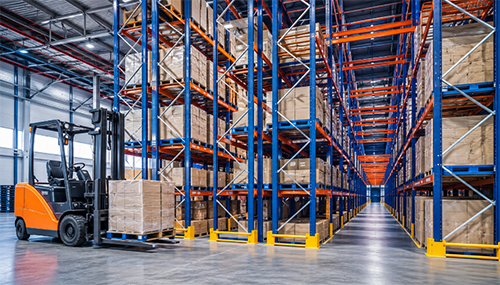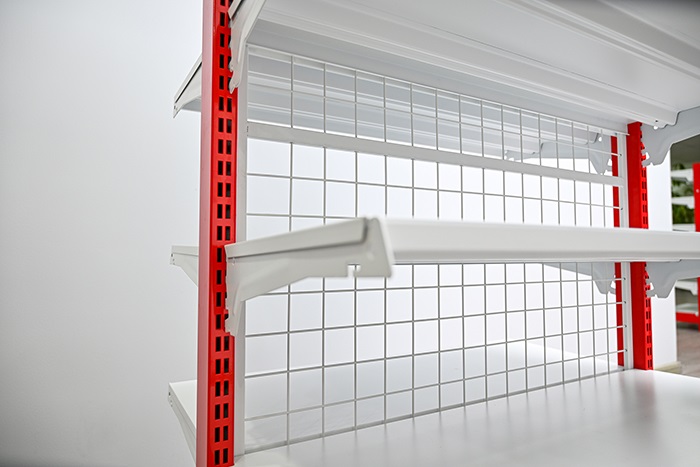


warehouses pallet rack system is the backbone of efficient storage and operations. However, neglecting signs of pallet rack damage can lead to costly accidents, inventory loss, and compromised safety.
By recognizing common types of damage, implementing preventive measures, and adhering to industry standards, you can maintain a safe and functional warehouse environment.
This guide dives deep into the types, signs, and prevention strategies for pallet rack damage, ensuring your facility remains secure and compliant with safety regulations.
Why It Matters Pallet Rack Damage
Pallet racks are designed to store heavy loads, but they’re not invincible. Damage to these systems can weaken their structural integrity, posing risks to workers, equipment, and inventory. Left unchecked, even minor issues can escalate into catastrophic failures, such as rack collapses, which can result in injuries, costly downtime, and damaged goods. By staying vigilant and addressing damage early, you can protect your warehouse’s efficiency and safety.
Types of Pallet Rack Damage
Pallet rack damage comes in several forms, each with unique causes and consequences. Understanding these types will help you identify issues during inspections and take appropriate action.
1. Structural Damage
Structural damage affects the overall stability and load-bearing capacity of your pallet rack system. This type of damage often results from:
- Overloading: Exceeding the rack’s weight capacity can cause beams, uprights, or connectors to deform permanently.
- Poor Installation: Incorrect assembly or modifications without expert consultation can weaken the system.
- Environmental Factors: Exposure to moisture or chemicals may lead to corrosion, compromising the rack’s strength.
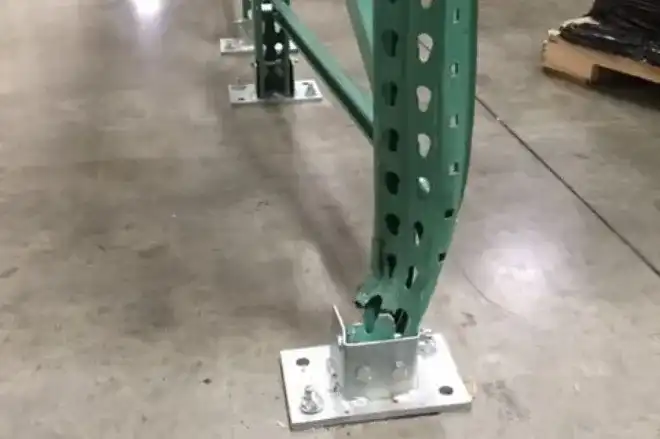
2. Impact Damage
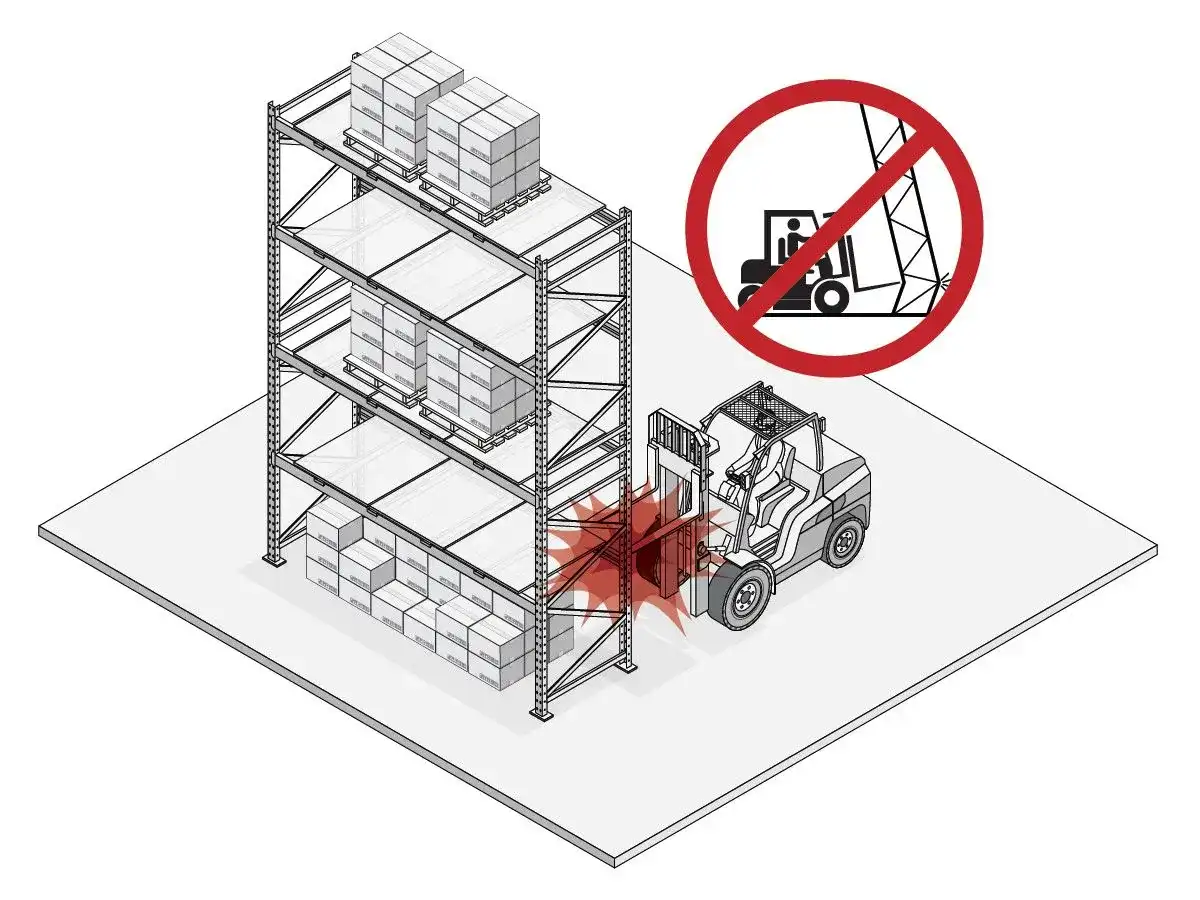
Impact damage occurs when forklifts, pallets, or other heavy objects collide with the rack. Common culprits include:
- Forklift Collisions: Statistics show that approximately 90% of rack failures are caused by forklift impacts.
- Improper Handling: Mishandling pallets during loading or unloading can dent or dislodge components.
3. Non-Visible Damage
Non-visible damage refers to hidden issues that aren’t immediately apparent during a visual inspection. Examples include:
- Weld Cracks: Tiny fractures in welds can develop due to fatigue or stress.
- Corrosion: Rust caused by moisture or chemical exposure can erode metal over time.
- Material Fatigue: Repeated stress from loading and unloading can weaken components.
Common Signs of Pallet Rack Damage
Regular inspections are critical for identifying pallet rack damage before it becomes a safety hazard. Below are the most common signs to watch for, along with guidance on how to assess and address them.
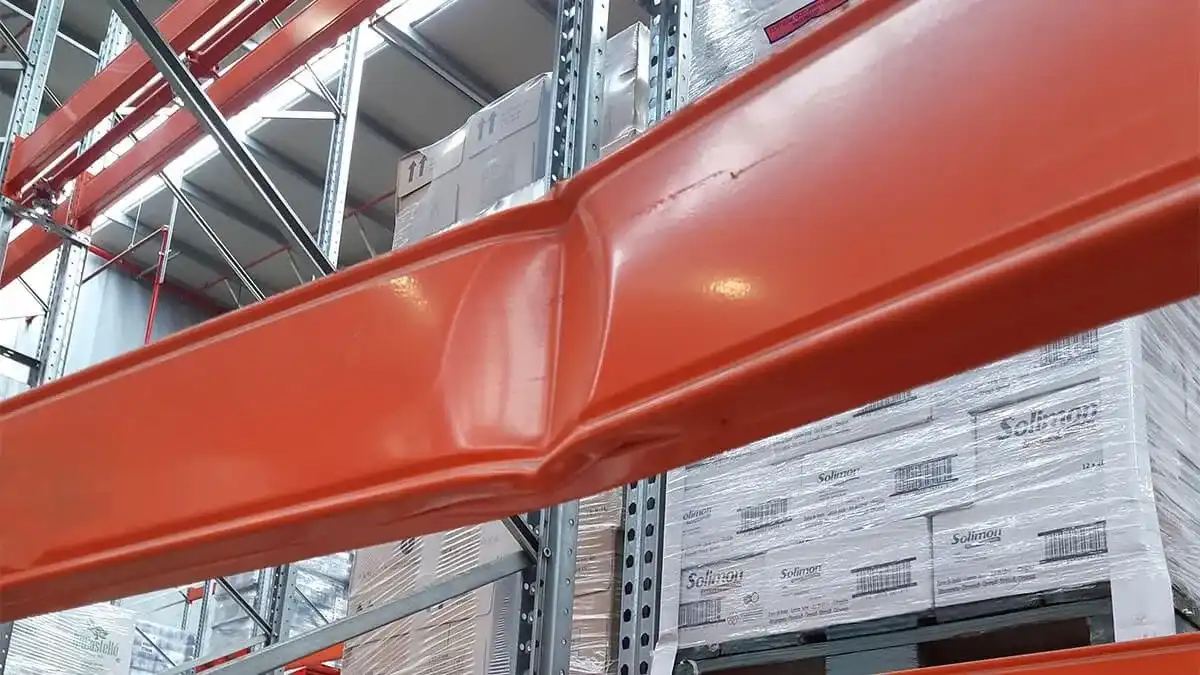
1. Bent or Deformed Beams
Bent or sagging beams are a telltale sign of overloading or impact damage. When beams exceed their load capacity, they may deform, compromising the entire rack’s stability.
Look for visible bending, sagging, or warping in beams.Measure beam deflection using the guidelines in Section 5.3 of the Rack Manufacturers Institute’s (RMI) ANSI MH16.1-2023: Specification for the Design, Testing, and Utilization of Industrial Steel Storage Racks. The maximum allowable deflection is the beam’s length divided by 180 (approximately 0.55% of the beam’s clear span).
Unload the affected rack immediately and inspect for additional damage.Replace or repair damaged beams promptly.

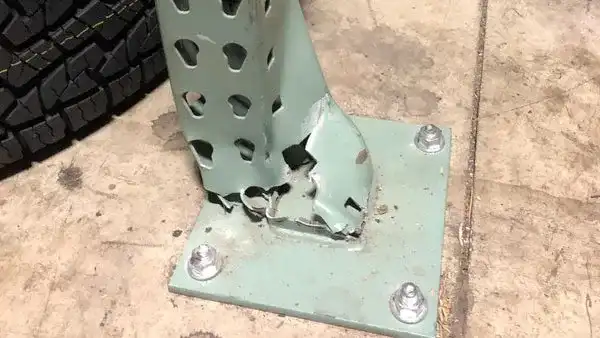
2. Damaged Uprights
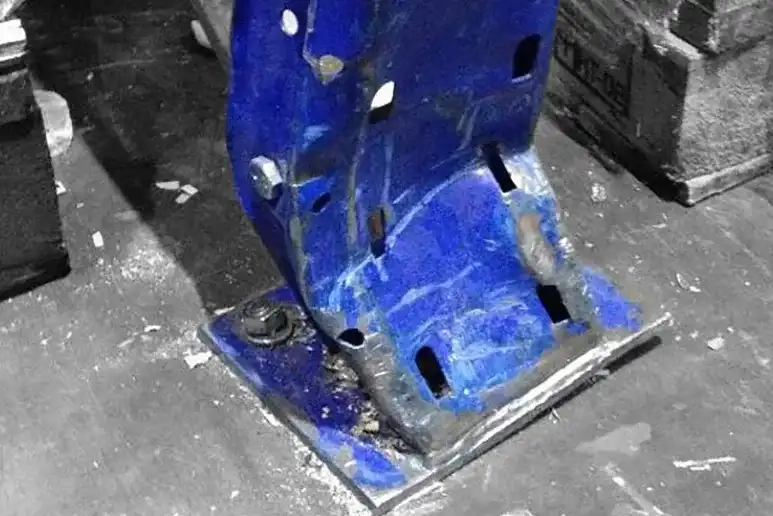
Uprights are the vertical columns that form the backbone of your pallet rack system. Damage to uprights, such as dents, cracks, or bent frames, can lead to catastrophic failure if not addressed.
Check for visible dents, cracks, or bends in uprights.Signs of weld damage or corrosion around the base or connectors.
Conduct regular upright inspections as part of your warehouse safety protocol.Replace severely damaged uprights and reinforce vulnerable areas with rack protectors.
3. Loose or Missing Anchor Bolts
Anchor bolts secure your pallet racks to the warehouse floor, preventing tipping or shifting. Loose, damaged, or missing bolts can destabilize the entire system.
Inspect anchor bolts for signs of loosening, corrosion, or missing components.Ensure bolts comply with RMI’s ANSI MH16.1-2023 standards for proper selection and installation.
Tighten loose bolts or replace missing ones immediately.Ensure proper anchoring.
4. Weld Cracks or Corrosion
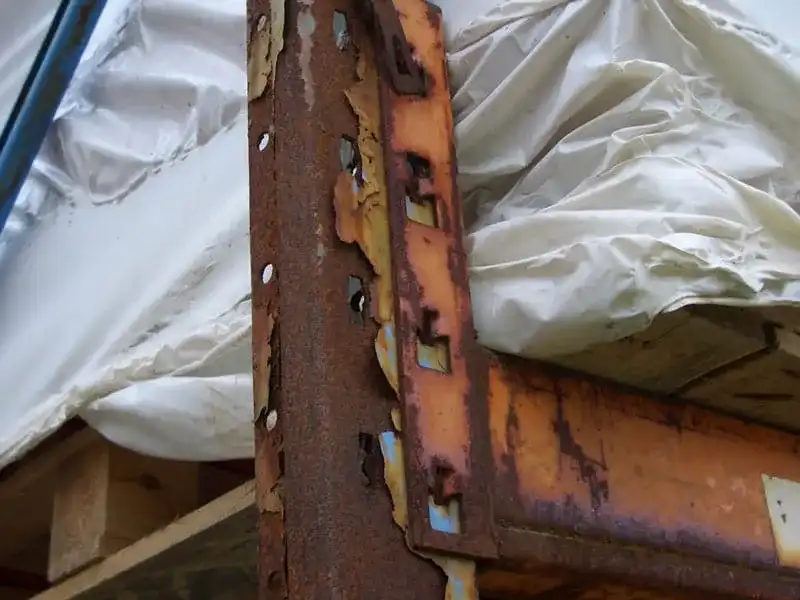
Weld cracks and corrosion are often hidden issues that weaken your racks over time. Exposure to moisture, humidity, or chemicals can accelerate rust, particularly around welds and anchor points.
Look for rust or discoloration around welds, baseplates, or connectors.
Use advanced tools like magnetic particle testing or dye penetrants to detect early-stage weld cracks that are invisible to the naked eye.
- Clean and repair rusted components promptly.
- Apply protective coatings to prevent future corrosion.
- Schedule regular inspections to catch weld fatigue early.
Preventing Pallet Rack Damage
Proactive measures can significantly reduce the risk of pallet rack damage and extend the lifespan of your storage system. Here’s how you can safeguard your warehouse:
1. Conduct Regular Inspections
Routine inspections are your first line of defense against rack damage. Create a schedule to check for signs of wear, corrosion, or structural issues.
2. Train Warehouse Staff
Proper training reduces human error, which is a leading cause of rack damage. Ensure your team is educated on:
- Safe forklift operation to prevent collisions.
- Proper loading techniques to avoid overloading.
- Recognizing and reporting signs of rack damage.
3. Install Rack Protection
Invest in protective equipment to minimize impact damage:
- Column Guards: Shield uprights from forklift collisions.
- Safety Nets: Prevent pallets from falling off racks.
- End-of-Aisle Protectors: Absorb impacts at row ends.
4. Maintain a Clean and Controlled Environment
Control environmental factors to prevent corrosion:
- Use dehumidifiers to reduce moisture.
- Apply anti-corrosive coatings to racks.
- Store chemicals away from racks to avoid spills.
Why Prioritizing Pallet Rack Safety Matters
Damaged pallet racks don’t just threaten your inventory—they put your workers at risk and disrupt operations. A single rack collapse can lead to Injuries、Financial Losses、Regulatory Fines.
By staying proactive, you demonstrate a commitment to safety, compliance, and operational efficiency. Regular inspections, staff training, and proper maintenance will keep your warehouse running smoothly and protect your bottom line.
Conclusion
Understanding the types of damage.Regular inspections, adherence to industry standards, and preventive measures like rack protectors and staff training will ensure your warehouse remains safe and efficient.