


When embarking on a warehouse setup or upgrading your storage system, a common query emerges: Just how much weight can my Pallet Rack Weight Capacity? This question is not only pivotal for ensuring the safety of stored goods but also for maximizing operational efficiency.
In this article, we provide an in-depth explanation of the key aspects involved in pallet rack weight capacity. Understanding the precise load limits that your Pallet Rack Weight Capacity is essential for a secure and streamlined operation. This detailed analysis aims to help you understand the engineering and safety considerations that are critical in warehouse storage environments.
What is Pallet Rack Weight Capacity?
Pallet Rack Weight Capacity weight capacity refers to the maximum load that a racking system can safely endure without risking structural failure. This limit applies equally to the horizontal beams as well as the vertical frames of the system. Maintaining operation within these boundaries is essential to protect your employees, inventory, and equipment.
To fully comprehend your system design, it is important to explore three pivotal factors that influence how much weight Pallet Rack Weight Capacity. By examining these elements, you can ensure that your racking system remains both robust and secure.
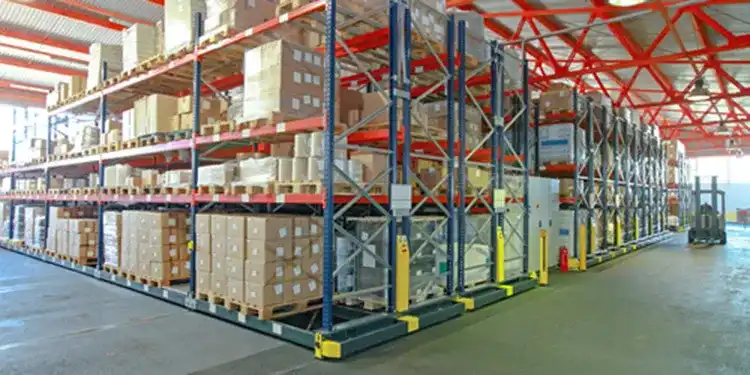
Components Affecting Pallet Rack Weight Capacity
Pallet Rack Weight Capacity critical loads by combining robust beams, uprights, and their connectors. These elements work together to maintain load capacity and system stability.
Beam strength is crucial in ensuring effective load distribution, while secure connections between beams and uprights reinforce the overall structure. Uprights must be engineered for sufficient capacity, particularly when spanning unsupported distances.
Additionally, concrete bases and their connections help stabilize the system. Factors such as frame bracing, foot plate size, and row spacing further enhance how Pallet Rack Weight Capacity, ensuring safety and durability.
beam capacity
The beam capacity is a crucial metric in systems where Pallet Rack Weight Capacity. It represents the maximum uniformly distributed load that a beam can safely accommodate without experiencing excessive bending or failure. In cases of longer beams, deflection becomes the primary concern, as it quantifies the degree of curvature a beam undergoes when loaded. Conversely, shorter beams are typically restrained by potential structural failure or strict engineering limitations.

Loads that exceed the permitted deflection threshold or the engineering-determined capacity are deemed unsafe. Therefore, it is imperative to consider the rack system’s unsupported span when choosing and installing pallet rack beams. This careful selection ensures that the beams, and ultimately the overall Pallet Rack Weight Capacity system, can reliably support the designated loads while maintaining structural stability and performance.
Beam Joint Configurations
In Pallet Rack Weight Capacity systems, the beam and the vertical frame are joined by beam connector plates that are securely fixed with pins, hooks, or bolts. These fastening components are essential for keeping the beam in place and preventing instability when a load is applied. The overall load capacity of a Pallet Rack Weight Capacity structure depends heavily on the integrity of the beam-to-upright connection.

If the connection is not robust or is installed incorrectly, it can lead to a lower load capacity and jeopardize the structural stability of the entire rack system. A secure connection between the beam and the upright frame ensures effective distribution and transfer of weight throughout the system. Depending on the design, load requirements, and seismic considerations, the number of pins, hooks, or bolts needed may vary. Additionally, a properly connected beam minimizes the risk of excessive deflection, sagging, or beam failure under heavy loads. This strong connection ultimately enhances the rigidity of the system, ensuring that the Pallet Rack Weight Capacity the intended load safely and effectively.
Pallet Rack Weight Capacity: Upright Frame Capacity and Unassisted Span
Upright Frame Capacity
Pallet Rack Weight Capacity their load depending on how the upright frames are crafted. The shape, size, and particular features of these frames play a significant role in load endurance. The thickness of the columns, and the style of bracing all contribute to the frame’s capability to manage forces from both vertical and horizontal directions.
Another vital aspect is the height of the upright frames. Typically, taller frames show reduced capacity compared to shorter ones because they are more prone to deflection and instability. The ratio between the height and depth of the frame is a critical parameter when determining its overall capacity.
The overall design of the pallet rack system also factors into how much load it can hold. Details such as the total number of upright frames, the spacing between beams, and additional reinforcement elements like diagonal or sway braces can all significantly enhance the system’s capacity.
Understanding Upright & Unsupported Span Systems
Pallet Rack Upright & Unsupported Span Systems are engineered with precise beam spacing that establishes distinct levels within the rack. The open area between the beam levels in two uprights is referred to as the unsupported span. While the gap between these levels may remain uniform or vary throughout the rack, it is essential to recognize that the largest opening determines the load-bearing capacity of the entire system, known as the maximum unsupported span.
When designing your pallet rack system, always consult the specific Aceally Pallet Rack manufacturer’s documentation on maximum unsupported span to accurately assess the weight that the Pallet Rack Weight Capacity. This documentation is based on the proprietary manufacturing processes and the detailed design of the steel components. Aceally Pallet Rack Manufacturers often provide examples that illustrate how to calculate the system’s load capacity, ensuring safe and efficient use.
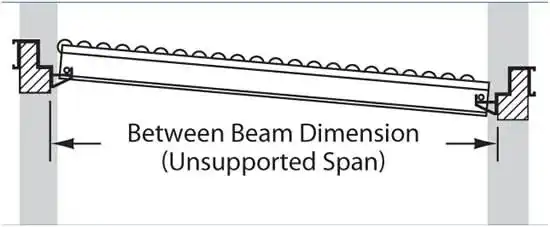
It is important to note that as the distance between beam levels increases, the amount of unsupported space grows, resulting in a reduced overall capacity. Essentially, the larger the gap or span, the lower the capacity that the frame can support, directly affecting the weight that the Pallet Rack Weight Capacity.
Concrete & Connection Considerations for Pallet Rack Weight Capacity
The system’s stability is influenced not only by the concrete itself but also by various fastening components. Factors such as row spacers, pallet size, baseplate dimensions, decking, and the inclusion of overhead ties all play a role in determining the overall load capacity.
What Dangers Arise from an Excessive Unsupported Span in Pallet Rack Weight Capacity?
When the unsupported span goes beyond the limits set by the manufacturer, serious safety concerns come into play. Overextending these spans in Pallet Rack Weight Capacity can compromise the strength and reliability of your storage system.
Risks Associated with Unsupported Spans
- Diminished system capacity – which increases the likelihood of overloading
- A higher probability of frame or beam bending
- Greater potential for component damage
- Structural collapse that can jeopardize personnel safety and damage your inventory
Aceally Manufacturers of Pallet Rack Weight Capacity offer detailed capacity tables that specify load limits based on the particular grade and thickness of the steel uprights and beams, as well as the permitted vertical spacing.
Key Considerations for Pallet Racking Weight Capacity
1. Even Load Distribution:
Maintaining even load distribution across the Pallet Rack Weight Capacity helps prevent undue pressure on any single component. Balanced loading is essential to avoid unintended stress and potential safety issues.
2. Regular Inspections:
Routine inspections are key to guaranteeing that your Pallet Rack Weight Capacity remains secure and functional. Consistent maintenance allows you to detect early signs of wear, ensuring ongoing system integrity.
3. Consult Professionals:
If you consider modifying your Pallet Rack Weight Capacity or have concerns about its performance, it is important to consult industry professionals. Expert guidance can confirm that any adjustments will not compromise the overall structural stability.
4. Modification Implications:
Understand that any alteration to your Pallet Rack Weight Capacity can impact its strength and safety. Cautious evaluation of changes is necessary to ensure that modifications do not adversely affect the system’s performance.
5. Overloading Risks:
Be mindful that exceeding the specified load limits on Pallet Rack Weight Capacity can lead to structural failure. Avoiding overloading is vital for preventing dangerous conditions and ensuring long-term operational safety.
Let us help you
Now that you have gained a clearer insight into how Pallet Rack Weight Capacity, you are better equipped to streamline your warehouse storage arrangement. Whether you require a professional evaluation or are looking to implement a new racking solution, our dedicated team is ready to assist you at every stage.
Get in touch with us today for a personalized quote or to learn more about how you can boost both the safety and performance of your operations.