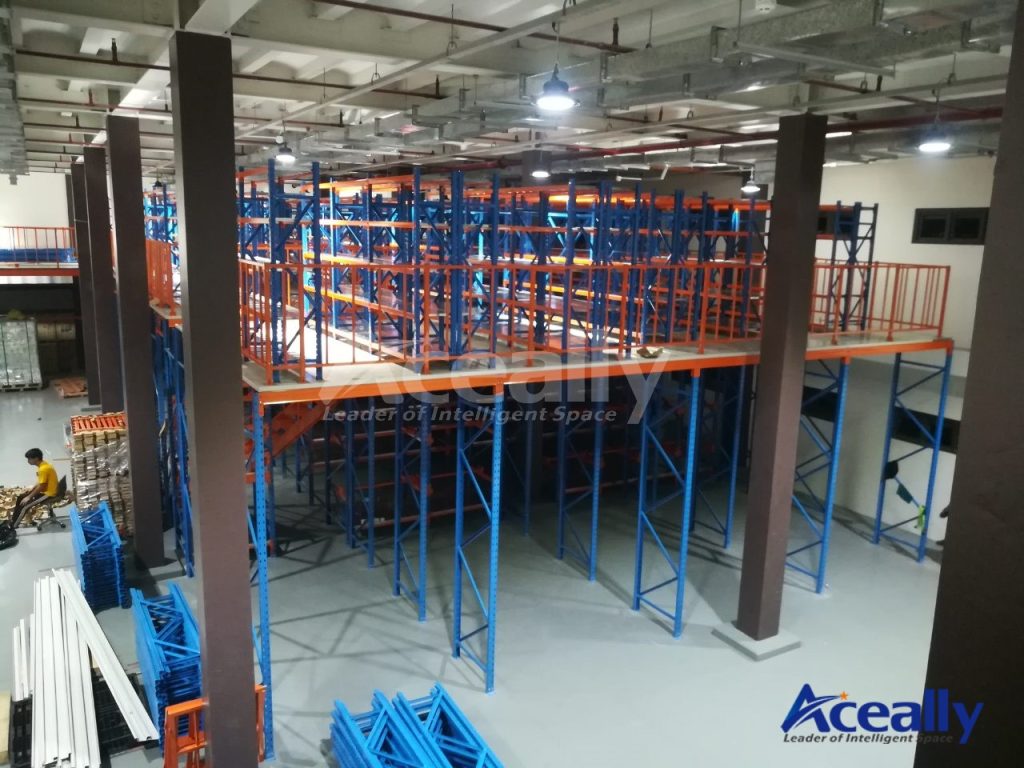


Garage shelving plays a pivotal role in transforming a cluttered space into an efficient, secure haven for your belongings. Yet, countless homeowners fall into pitfalls when selecting, setting up, or maintaining these systems, resulting in inefficiency, potential dangers, and underutilized areas.
In this comprehensive guide, we’ll delve into frequent garage shelving blunders and offer practical, expert-backed strategies to sidestep them.
The Importance of Garage Shelving Solutions
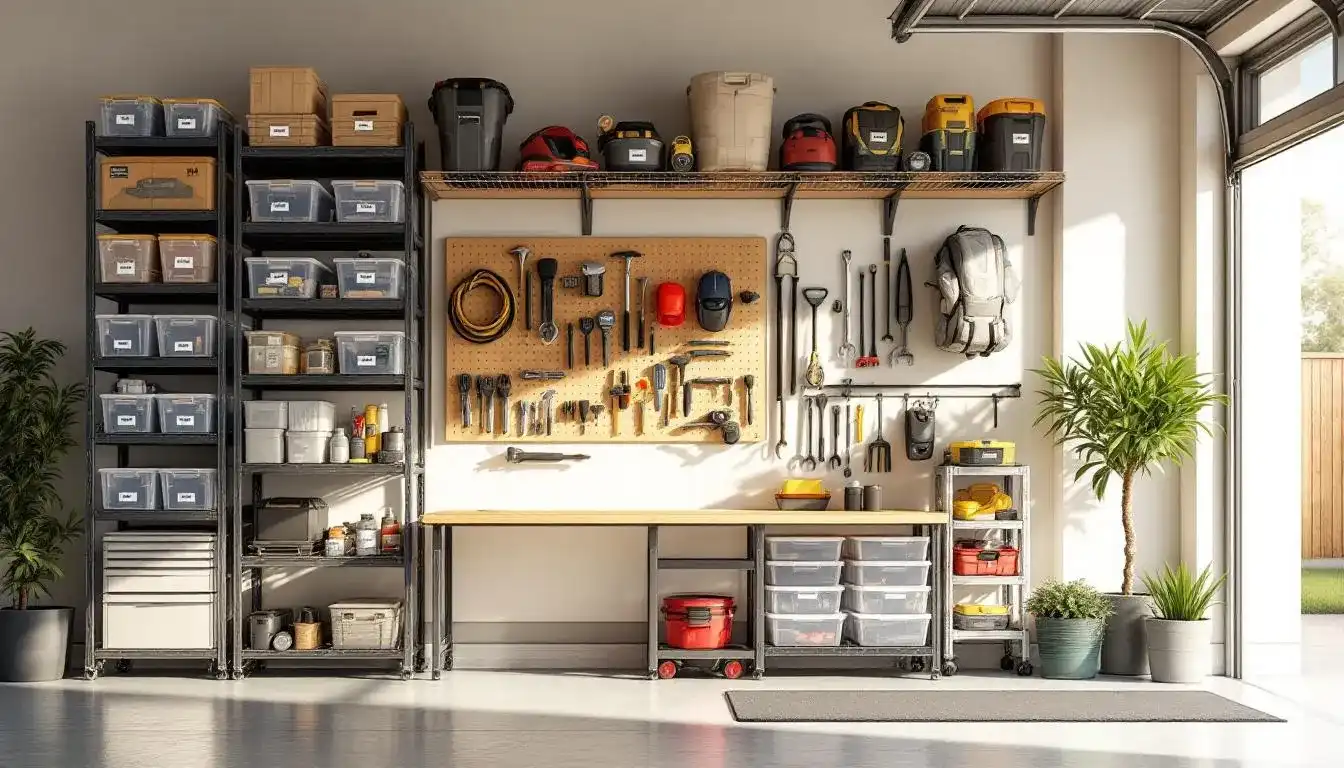
Garages serve as versatile hubs beyond mere vehicle parking—they house gardening tools, recreational gear, DIY supplies, and sometimes even makeshift workshops. Subpar garage shelving choices can foster disarray, squander precious square footage, and introduce risks such as falling objects.
On the flip side, thoughtfully designed garage shelving maximizes vertical and horizontal space, safeguards valuables from damage, and ensures quick retrieval of items. By prioritizing robust garage shelving, you not only enhance daily functionality but also boost your property’s overall appeal and safety.
Benefits of Investing in Garage Shelving
- Enhanced Efficiency: Streamlined access reduces time spent searching for tools or seasonal items.
- Safety First: Properly rated and installed garage shelving prevents collapses and injuries.
- Cost Savings Long-Term: Durable materials minimize the need for frequent replacements.
- Space Optimization: Clever designs turn overlooked areas into valuable storage zones.
To illustrate the impact, consider this simple comparison table of poor vs. ideal garage shelving practices:
| Aspect | Poor Practice | Ideal Practice |
|---|---|---|
| Material Selection | Opting for flimsy plastic in hot areas | Choosing rust-resistant metal for durability |
| Load Management | Ignoring weight ratings | Evenly distributing loads per specs |
| Installation | DIY without proper anchors | Professional setup with wall studs |
| Organization | Random stacking | Categorized bins with labels |
Top Garage Shelving Mistakes to Avoid
Here are the most common mistakes made with garage shelving, along with actionable fixes to ensure your setup stands the test of time.
1. Selecting Inappropriate Materials for Environment
A frequent oversight is picking garage shelving materials that can’t handle local conditions, such as humidity, temperature fluctuations, or exposure to elements. For instance, particleboard might swell in damp garages, while Lightweight plastics may warp in high summer temperatures.
- Prioritize heavy-duty racking like powder-coated steel for general use, which offers superior strength and corrosion resistance.
- In coastal or wet regions, opt for aluminum garage shelving to combat rust effectively.
- For premium durability, composite materials that blend wood and metal for a balanced aesthetic and performance.
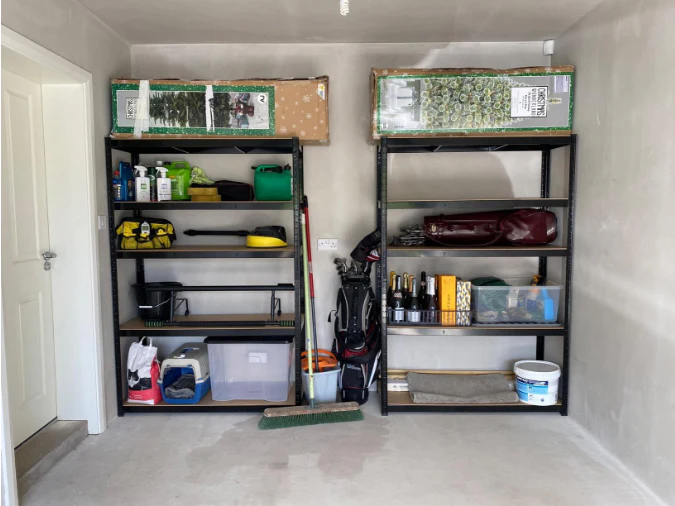
Adding a layer of protection, such as applying sealants, can extend the life of your garage shelving by up to 50% in challenging environments.
2. Load-Bearing Capacities
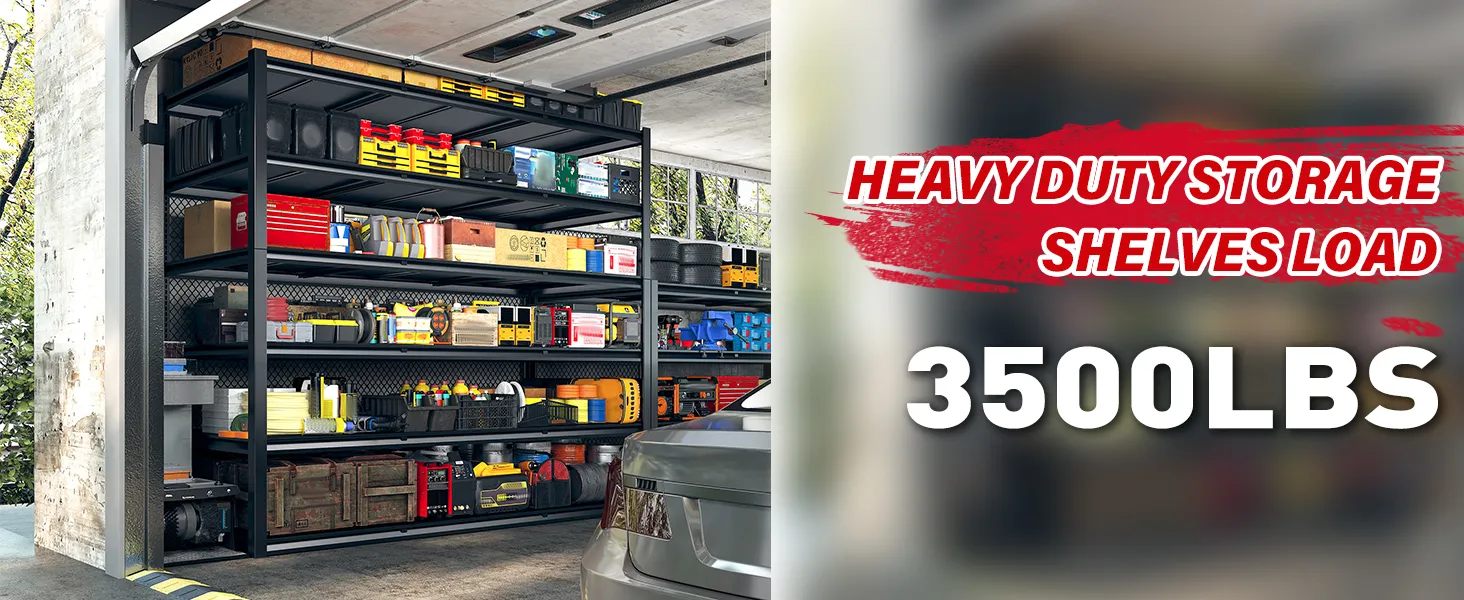
Many users underestimate the weight their garage shelving can support, leading to sagging shelves or catastrophic failures. This is especially risky with bulky items like power tools or paint cans.
- Review and adhere to the manufacturer’s load limits—typically ranging from 50kg per shelf for basic units to over 200kg for industrial-grade ones.
- Implement a weight distribution plan: Place heavier items on lower levels and lighter ones higher up.
- For oversized gear, integrate specialized garage shelving like cantilever racks, which excel at handling uneven loads.
Regular inspections every six months can catch early signs of strain, preventing accidents.
3. Skimping on Proper Setup and Anchoring
Improper installation ranks high among garage shelving woes, often stemming from rushed assembly or inadequate hardware. Without secure fastening, shelves can wobble or tip, posing hazards to family members and vehicles.
- Locate and drill into wall studs for maximum stability—use a stud finder for accuracy.
- Employ high-quality brackets and screws rated for your shelving’s weight.
- For expansive systems, consult a certified installer to ensure compliance with building codes.
In earthquake-prone areas, adding anti-tip brackets is a non-negotiable step for garage shelving safety.
4. Failing to Organize and Categorize Items
Without a systematic approach, garage shelving quickly becomes a dumping ground, burying essentials under piles of miscellany and complicating retrieval.
- Adopt clear, stackable containers with visible labels for categories like automotive parts or holiday decorations.
- Utilize dividers or modular inserts to segment shelves, promoting airflow and reducing dust buildup.
- Incorporate digital tools, such as inventory apps, to track what’s stored where on your garage shelving.
This method not only declutters but also frees up 20-30% more space in typical garages.
5. Underutilizing Overhead and Wall Space
A classic blunder is focusing solely on floor-level garage shelving, ignoring the vast potential above head height or on walls, which leaves valuable real estate unused.
- Install adjustable wall-mounted tracks that allow for customizable garage shelving heights.
- Explore ceiling-mounted platforms for infrequently used items.
- Combine with pegboards or slat walls for hanging tools, creating a hybrid storage solution.
By going vertical, you can effectively double your garage’s storage capacity without expanding its footprint.
6. Mismatching Accessories and Add-Ons
Attaching incompatible hooks, baskets, or extensions to garage shelving can compromise structural integrity and lead to premature wear.
- Stick to brand-specific accessories to guarantee fit and load support.
- Choose versatile modular garage shelving systems that support expansions like drawer units or lighting.
- Test add-ons lightly before full loading to ensure stability.
7. Disregarding Built-In Safety Elements
Overlooking features like rounded edges, locking mechanisms, or seismic straps in garage shelving invites unnecessary risks, particularly in homes with children or pets.
- Select units with child-proof locks for hazardous materials.
- Position garage shelving away from traffic paths to avoid collisions.
- Add reflective strips or LED lights for better visibility in dim garages.
8. Prioritizing Price Over Longevity
Tempted by low-cost garage shelving, many sacrifice quality, only to face frequent repairs or replacements down the line.
- Invest in mid-to-high-range options with warranties, often lasting 10+ years.
- Compare user reviews and certifications for reliability.
- Calculate total cost of ownership, factoring in durability against initial savings.
9. Overlooking Design and User-Friendliness
Treating garage shelving as purely utilitarian ignores its impact on the space’s vibe, potentially making the area feel uninviting or mismatched with home decor.
- Opt for sleek, color-coordinated units that complement your garage’s theme.
- Incorporate ergonomic designs, like adjustable heights for easy reach.
- Blend in multifunctional elements, such as foldable workbenches attached to shelving.
Choosing Aceally Garage Shelving Supplier
By following these tips, you’ll create a garage that’s not only organized but also truly suits your lifestyle. If you’re ready to upgrade, assess your space and contact us for customized garage shelving recommendations.