


Finding the right pallet racking for your warehouse is a big decision. You’re looking for a solution that maximizes your space, improves efficiency, and keeps your team safe. But let’s be honest, you’re also working with a budget.
To choose cheap pallet racking, prioritize safety and space, consider your product type and inventory flow to select the most efficient system like selective or drive-in racking, and determine if used racks are a viable option. Always factor in long-term costs like efficiency and maintenance, not just the initial purchase price.
This guide is designed to walk you through exactly how to do that. We’ll explore how to find budget-friendly options without ever compromising on the two things that matter most: safety and operational efficiency.
1. Prioritize Safety and Compliance
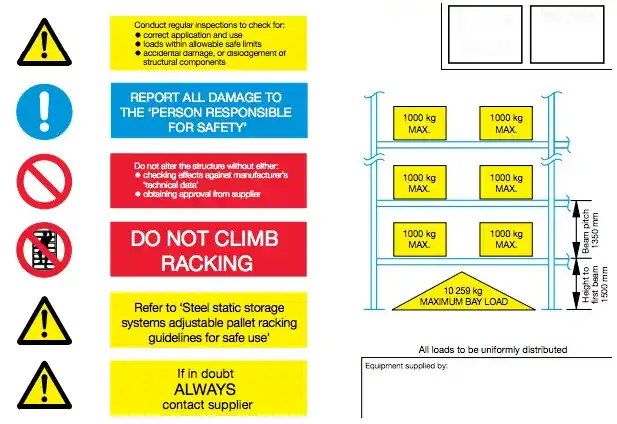
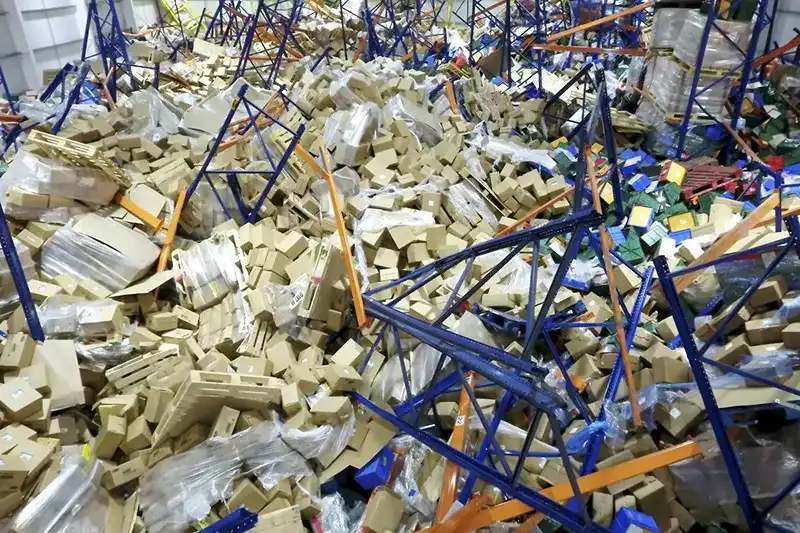
Before we even talk about price tags and racking types, we need to get this straight: safety is non-negotiable. A racking system collapse is a catastrophic event that can lead to devastating injuries, inventory loss, and crippling legal and financial consequences. The cheapest pallet racking becomes the most expensive if it fails.
- Follow OSHA standards: Ensure any racking system complies with safety regulations to prevent collapses.
- Load Capacity: Every pallet rack component, from the upright frames to the horizontal beams, has a specific weight capacity. This isn’t a suggestion; it’s an engineering limit.
- Check capacity labels: Never buy racks without clear, accurate capacity labels. These show the maximum load per level.
- Maximum weight: Before you shop, you must know the maximum weight of your heaviest pallets. Don’t guess. Weigh them.
- Read the Specs: When evaluating an affordable pallet racking option, demand clear documentation on its load capacity.
- Professional installation: Consider professional installation to ensure the system is level and secure, especially for heavy-duty systems.
1.1 Adhering to Local Codes and Seismic Requirements
It’s subject to local building codes and, depending on your location, seismic requirements. These regulations dictate how racking must be designed, installed, and anchored.
- Installing Permits: In many areas, installing or reconfiguring pallet racking requires a permit. This process ensures the system is designed and installed to meet safety standards.
- Seismic System: If you’re in an area prone to earthquakes, your racking needs to be seismically rated. This involves specific engineering, larger footplates, and stronger anchoring. Ignoring this isn’t just risky; it’s illegal and can void your insurance.
1.2 Costs of Non-Compliance
A cheap pallet racking system that isn’t up to code can lead to:
- Hefty fines from safety inspections.
- Forced work stoppages until the issues are fixed.
- Increased insurance premiums or denied claims after an accident.
- The immense cost of downtime and reputational damage.
2. Select the Right Type of Racking
Not all pallet racking is created equal. The most common type might not be the most cost-effective for your specific products and workflow. Choosing the right system is a huge step in finding a genuinely cheap pallet racking solution because it maximizes your space and labor efficiency.
Selective Pallet Racking
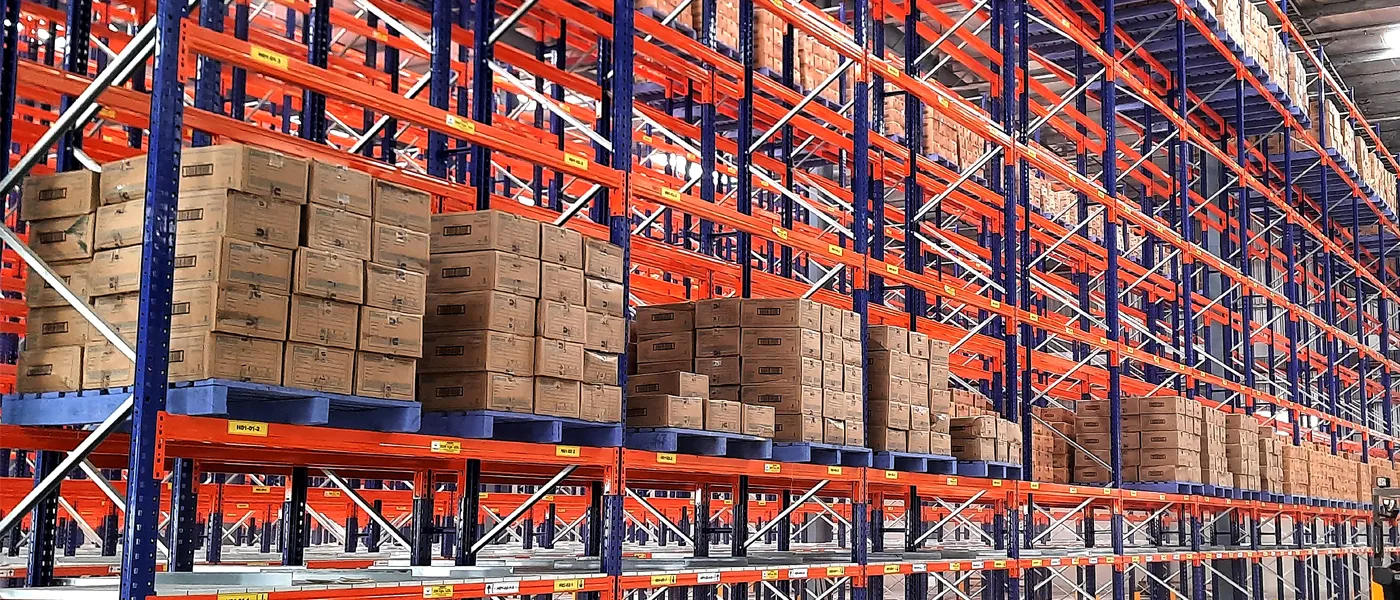
This is what most people picture when they think of Select pallet racking. It features aisles with racks on either side, offering direct access to every single pallet.
- Pros: It’s the most common and generally has the lowest upfront cost per pallet position. It offers 100% selectivity, making it perfect for warehouses with a high number of different SKUs and high product turnover.
- Cons: It’s the least dense storage option. A lot of your warehouse floor is taken up by aisles.
- Best for: Operations where you need to access any pallet at any time, like retail distribution, 3PLs, and general-purpose warehousing.
Drive-In/Drive-Thru Racking
Drive-In/Drive-Thru Racking system creates high-density storage by allowing a forklift to drive directly into the rack structure to store and retrieve pallets.
- Pros: It offers incredible space utilization, dramatically increasing storage capacity within the same footprint. This can be a massive cost-saver if your facility space is expensive.
- Cons: It offers very low selectivity. It operates on a Last-In, First-Out (LIFO) basis, so it’s only suitable for storing large quantities of the same product. It’s also more susceptible to damage from forklifts.
- Best for: Storing non-perishable goods with a low SKU count, like seasonal items, bulk goods, or cold storage where space is at a premium.

Push Back Racking
Push back racking is another high-density option where pallets are stored on carts that are pushed back along inclined rails. When a pallet is retrieved, the one behind it gently slides forward.
- Pros: It offers much higher density than selective racking but better selectivity than drive-in racking. It operates on a LIFO principle but allows for different SKUs to be stored in each lane.
- Cons: It has a higher upfront cost than selective or drive-in systems.
- Best for: Operations that need more density than selective but can’t use a LIFO system like drive-in. Good for food and beverage or any operation with a medium number of SKUs.
Choosing the right type means you’re not over-engineering a solution or buying a system that won’t work for your inventory. The most cost-effective pallet racking is the one that fits your operation like a glove.
3. Maximize Your Space and Budget
How you lay out your racking is just as important as what you buy. A smart design can squeeze more storage out of your existing space, delaying the need for a costly expansion or move.
- Measure your warehouse: Know your building’s clear height, subtracting space needed for sprinklers, lighting, and ventilation.
- Consider vertical space: Utilize the full vertical space in your warehouse to maximize storage capacity.
- Check Your Forklift: Ensure your forklifts can safely lift to the height of your top beam. Taller racking is only useful if you can actually reach it.
- Cost-Benefit: The cost of taller uprights is often marginal compared to the cost of expanding your building’s footprint.
3.1 Aisle Width
The width of your aisles has a direct impact on your storage density.
- Standard Aisles (10-12 feet): Accommodate standard counterbalance forklifts, which are the most common and affordable.
- Narrow Aisles (8-10 feet): Can increase storage capacity by 10-20%. Requires a reach truck or other narrow-aisle forklift.
- Very Narrow Aisles (VNA) (6 feet or less): Offer the highest storage density but require specialized and more expensive turret trucks or order pickers.
The trick is to find the balance. If you already have standard forklifts, sticking with standard aisles might be the most budget-friendly option. But if you’re buying new equipment anyway, the long-term space savings of a narrow-aisle layout could be worth the investment.
4. Consider Used or Adjustable Racking
When the primary goal is finding cheap pallet racking, the second-hand market is a natural place to look. You can find significant savings here, but you need to proceed.
4.1 The Pros and Cons of Used Pallet Racking
- Pros: The most obvious advantage is the price. You can often acquire used pallet racking for 40-60% less than the cost of new materials. It’s also an environmentally friendly choice.
- Cons: There’s no warranty. The racking has an unknown history—it could have been overloaded, damaged, or repaired improperly. It can also be difficult to find matching components for future expansion.
4.2 What to Look for When Buying Used Racking A Checklist
If you decide to explore used options, become a meticulous inspector. Never buy used racking sight unseen.
- ✅ Check for Rust: Surface rust might be okay, but deep, flaking rust compromises the steel’s integrity.
- ✅ Inspect for Dents and Bends: Look closely at upright columns and horizontal beams. Any deformation is a red flag, as it significantly reduces the load capacity.
- ✅ Look at Welds: Check the welds where the beams connect to the end plates. Look for cracks or signs of re-welding.
- ✅ Ensure All Components are Present: Make sure you get all the necessary safety clips, shims, and hardware.
- ✅ Ask for Original Specs: If possible, get the original pallet racking manufacturer’s load capacity documentation.
tips:If you need more information about our used shelving, click here for the answers you need.
4.3 The Flexibility of Adjustable Racking
Most modern racking systems, like teardrop Pallet Racking, are adjustable. The beams can be easily moved up or down without special tools. This is a fantastic feature for long-term value. As your product dimensions change, you can reconfigure your racking instead of replacing it, saving you a fortune over the life of the system.
5. Match Racking to Your Unique Operation
The best way to ensure you’re getting a cost-effective system is to tailor it perfectly to your daily operations. A generic solution is rarely the most efficient or economical one.
5.1. Analyze Your Inventory and Throughput
- SKU Velocity: Do you have products that fly off the shelves while others sit for months? Your fast-movers should be in the most accessible locations (like on selective racking near the shipping doors). Your slow-movers can be placed in higher-density, less accessible systems.
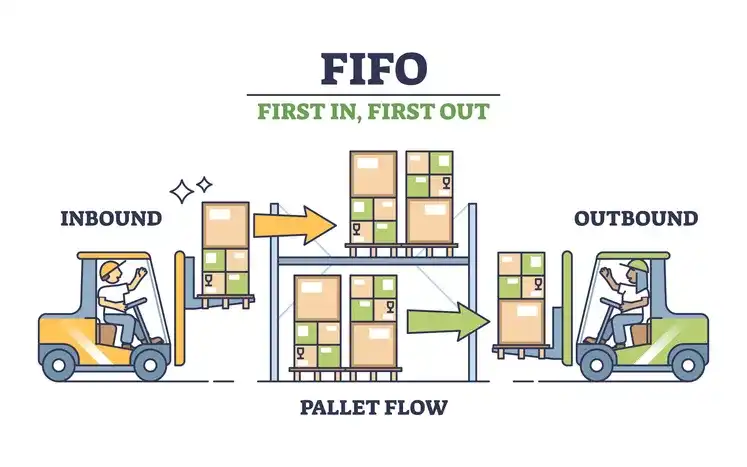
- Product Characteristics: Are your goods perishable? You’ll need a First-In, First-Out (FIFO) system like pallet flow racking, which might have a higher initial cost but prevents costly spoilage.
5.2. Factor in Your Material Handling Equipment
Your racking and your forklifts are a team. They have to work together. A cheap pallet racking system that requires you to buy a whole new fleet of expensive forklifts is no longer cheap. Ensure your chosen layout and rack height are fully compatible with your existing equipment.
5.3. Getting Quotes
When you request quotes from suppliers, be specific. Provide a detailed layout and specifications. A quote should clearly break down the costs for:
- Materials (uprights, beams, supports, etc.)
- Shipping and freight
- Professional installation
- Permit application fees
- Any necessary engineering drawings
Summary
Choosing cheap pallet racking for your warehouse is a strategic process. It’s about shifting your mindset from finding the lowest initial price to securing the best long-term value.
By prioritizing safety and compliance, selecting the right type of racking for your inventory, designing a layout that maximizes your vertical space, carefully considering high-quality used options, and matching the system to your unique workflow, you can build a warehouse storage solution that is both highly efficient and genuinely affordable.
Frequently Asked Questions (FAQ)
Q1: Is used pallet racking really a good idea?
Used pallet racking can be a fantastic way to save money, but only if you are diligent. You must thoroughly inspect it for any signs of damage, rust, or improper repairs. Always try to get the original capacity ratings. If you are not confident in your ability to assess its condition, it may be safer to invest in a new, budget-friendly system with a full warranty and guaranteed specifications.
Q2: How much does cheap pallet racking actually cost?
The cost varies widely based on the type, height, capacity, and manufacturer. As a rough estimate, new selective pallet racking can range from $15 to $40 per pallet position. Drive-in or push-back systems will be more expensive upfront but can lower your cost per square foot of warehouse space.
Q3: What is the most common mistake people make when buying budget-friendly racking?
The most common mistake is focusing solely on the initial purchase price while ignoring long-term costs and safety. This includes buying a system with insufficient weight capacity, failing to get the necessary permits, or choosing a layout that doesn’t match their forklift fleet or inventory flow, leading to massive inefficiencies down the line.
Q4: Do I really need a professional to install my pallet racking?
Absolutely, yes. Professional installers ensure the racking is assembled according to the manufacturer’s specifications, is perfectly plumb and level, and is anchored correctly to meet local codes. Improper installation can void the warranty and, more importantly, create a serious safety hazard.


