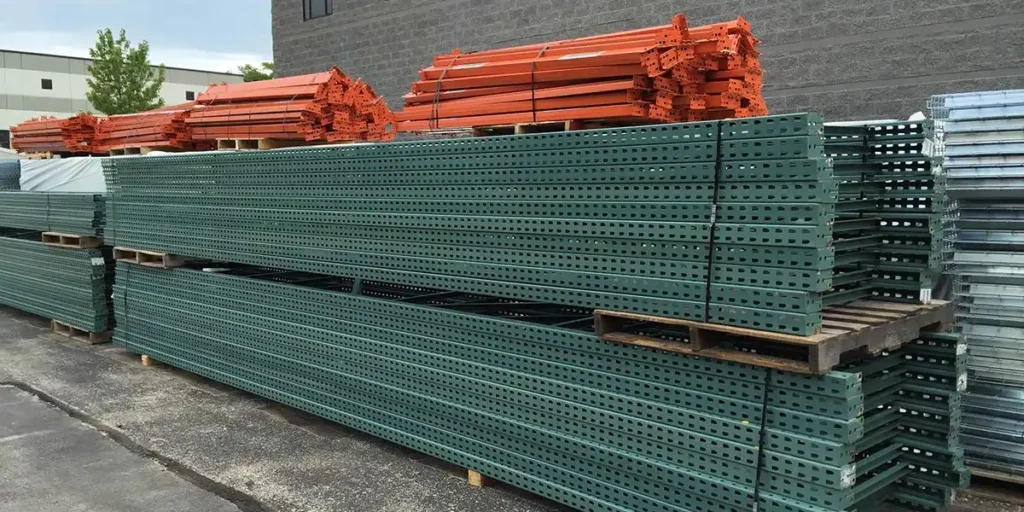


Teardrop Pallet Racking is a versatile, cost-effective storage solution that warehouses everywhere trust. Whether you have a small or large distribution center,
This guide will take a deep dive into how Teardrop Pallet Racking can help transform your operations. It is the ideal solution for all your storage needs.
I. What is Teardrop Pallet Racking?
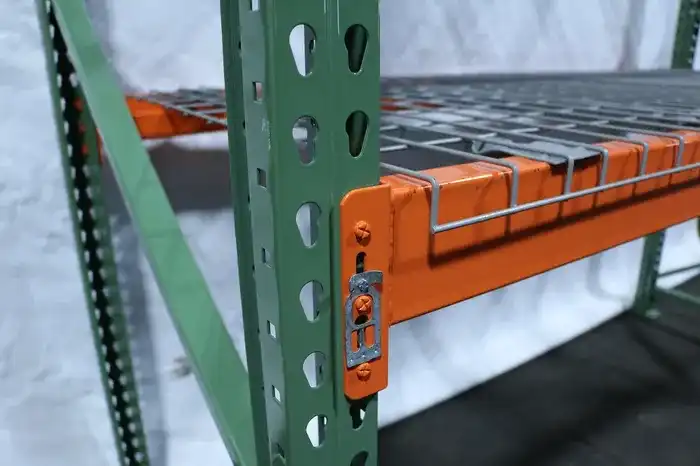
Teardrop pallet racking is a roll-formed storage system characterized by its namesake “teardrop-shaped” holes punched into upright frames. Beams slide into these holes without bolts or welding, creating a tool-free, adjustable setup ideal for dynamic warehouses.
Unlike structural racking (which uses bolts), teardrop systems prioritize flexibility and speed, allowing you to reconfigure layouts in minutes as inventory needs change.
II. Key Components:
- Uprights: Vertical columns with teardrop holes (typically 12- or 14-gauge steel).
- Beams: Horizontal supports that lock into uprights (load capacities from 1,000–10,000+ lbs per pair).
- Wire Decking/Pallet Supports: Optional add-ons for stability and safety.
- Safety Pins: Secures beams to prevent accidental dislodging.
III.Top 5 Benefits of Teardrop Pallet Racking
Why do 80% of mid-sized U.S. warehouses choose teardrop systems? Here’s what makes them stand out:
- Cost Efficiency:
- Up to 30% cheaper than structural alternatives due to simpler manufacturing.
- Lower labor costs (no specialized tools for assembly).
- Effortless Adjustability:
- Change beam heights in seconds to accommodate varying pallet sizes (e.g., shifting from 48″ to 72″ pallets).
- Space Optimization:
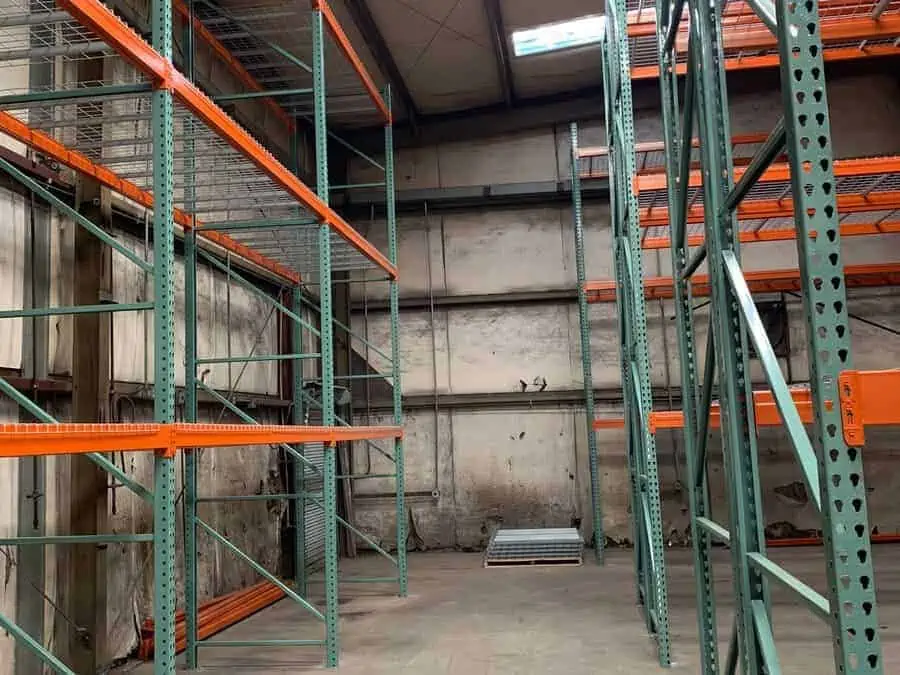
- Utilize vertical space up to 40′ tall (compatible with OSHA guidelines).
- Ideal for narrow-aisle warehouses, boosting storage density by 15–25%.
- Durability & Safety:
- High-grade steel resists corrosion (optional coatings for cold storage).
- Integrated safety features like locking clips reduce accident risks.
- Scalability:
- Start small and expand incrementally—perfect for growing inventories.
IV. Why Should You Consider Our Teardrop Pallet Racking?
Our storage solutions are designed to streamline your daily operations, optimizing space utilization and elevating productivity levels.
Crafted for resilience, our racks endure the demands of high-traffic warehouse settings, ensuring long-lasting performance without compromise.
You’ll find assembly and adjustments straightforward, making our teardrop pallet racking a versatile and practical addition to any storage configuration.

Investing in this system provides cost-effective, long-term value and seamless adaptability as your business scales and evolves.
Elevate your storage approach with our innovative teardrop pallet racking to witness firsthand improvements in efficiency and depend
V. Choosing the Right Teardrop Pallet Racking System: A Step-by-Step Guide
Selecting the optimal setup requires evaluating four key factors:
1. Assess Load Requirements
Weight: Calculate max pallet weight (include packaging).
Dimensions: Measure pallet depth, width, and height variability.
Pro Tip: Always exceed your heaviest load by 20% for safety margins.
2. Map Your Warehouse Layout
Aisle Width: Standard teardrop works in 8–12′ aisles; narrow-aisle variants need 6–8′.
Ceiling Height: Match upright height to clear sprinklers/lighting (OSHA mandates 18″ clearance).
Floor Load Capacity: Concrete floors should support 5,000+ PSI.
3. Prioritize Safety & Compliance
Standards: Ensure racks meet ANSI/RMI MH16.1 guidelines.
Accessories: Use wire decking for small items and column guards for forklift protection.
VI. Installation & Safety
A poorly installed rack risks collapse. Follow these steps:
1. Installation Checklist
- Prep the Floor: Level concrete; anchor uprights with wedge anchors.
- Assemble Uprights: Space columns ≤ 6′ apart for stability.
- Insert Beams: Slide into teardrop holes; secure with safety pins.
- Add Decking: Install wire grids for loose items.
- Inspect: Test load distribution with empty pallets.
2. Critical Safety Tips
- Monthly Inspections: Check for dents, rust, or beam deflection.
- Training: Certify staff on OSHA-compliant loading (e.g., no climbing racks!).
- Load Rules:
- Heaviest pallets on lower levels.
- Never exceed beam capacity (use load signs visibly).
VII. Teardrop Pallet Racking vs. Alternatives: Which Pallet Racking Wins?
Table: Teardrop vs. Competing Systems
| Criteria | Teardrop Racking | Structural Racking | Boltless Shelving |
|---|---|---|---|
| Adjustability | ⭐⭐⭐⭐⭐ (Tool-free) | ⭐⭐ (Bolts required) | ⭐⭐⭐ (Limited slots) |
| Cost | $$$ (Mid-range) | $$$$ (High) | $$ (Low) |
| Max Height | Up to 40′ | Up to 50′ | Up to 12′ |
| Installation Time | 1–2 days | 3–5 days | <1 day |
| Best Use Case | High-turnover inventory | Heavy machinery | Small-item storage |
VIII.FAQs: Your Top Teardrop Pallet Racking Questions Answered
Q: Can teardrop racking handle uneven loads?
A: Yes! Use beam reinforcements or decking for unbalanced items (e.g., furniture).
Q: Is it OSHA-compliant?
A: Absolutely—when installed correctly with safety accessories. Regular inspections are mandatory.
Q: How long does installation take?
A: 1–3 days for a 10,000 sq ft warehouse with a professional team.
Q: Can I add shelves later?
A: Yes—Teardrop Pallet Racking adjustability makes expansions seamless.
IX. Conclusion
Teardrop pallet racking isn’t just storage—it’s a scalable strategy to slash costs, boost safety, and adapt to market demands.
By prioritizing flexibility and efficiency, you’re investing in a system that grows with your business.
👉 Schedule a free consultation with our storage experts to design a custom teardrop solution. Click here to get started!