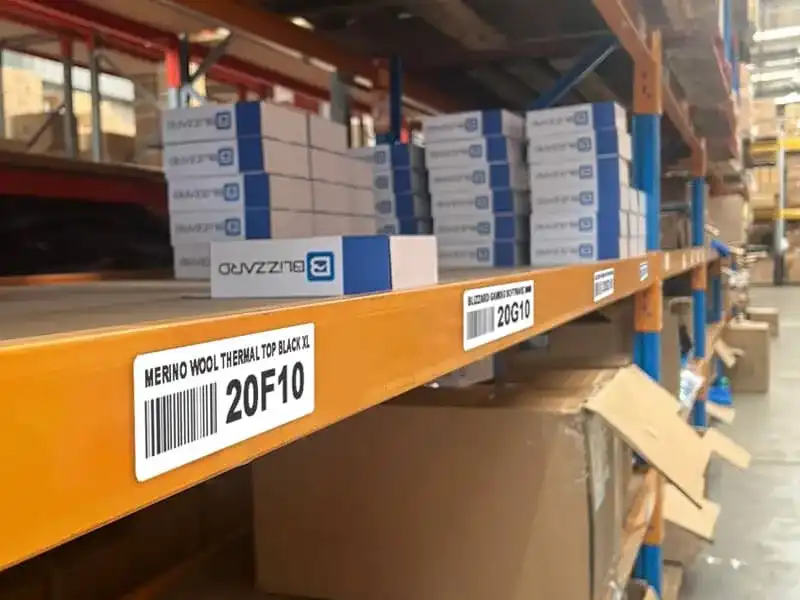


Selective pallet racking is a highly adaptable and cost-effective storage solution, widely used in warehouses and distribution centers.
Its design allows direct access to every pallet, making it ideal for managing a diverse range of SKUs (Stock Keeping Units) or materials with varying sizes and weights. Proper installation is critical to ensure safety, maximize storage efficiency, and comply with industry standards.
This guide focuses on the installation of teardrop-style selective pallet racking, one of the most common configurations due to its compatibility and ease of assembly.
Pre-Installation Preparation
Proper preparation is the foundation of a successful pallet racking installation. Taking the time to plan and gather the right tools and materials ensures a smooth process and minimizes costly mistakes.
Choosing the Right Selective Pallet Racking System
Selecting the appropriate pallet racking system is critical to meeting your warehouse’s storage needs. Consider the following factors:
- Type of Goods: Identify the dimensions, weight, and nature of the items you plan to store. For example, perishable goods may require specific rack designs to ensure proper ventilation.
- Load Capacity: Ensure the racks can handle the maximum weight of your pallets. Overloading racks can lead to structural failure and safety hazards.
- Storage Volume: Calculate the number of pallets you need to store to determine the rack size and layout.
- Forklift Compatibility: Verify that the rack dimensions align with your forklifts’ reach and maneuverability.
Evaluating the Warehouse Layout
A thorough assessment of your warehouse is essential to ensure the racking system fits seamlessly into the available space. Follow these steps:
- Measure the Space: Record the warehouse’s dimensions, including ceiling height, floor area, and aisle widths. Ensure sufficient clearance for forklifts and other equipment.
- Identify Obstacles: Note any columns, doors, or other structural elements that could interfere with rack placement.
- Check Floor Conditions: Confirm that the floor is level and capable of supporting the weight of fully loaded racks. Uneven or weak floors may require reinforcement to prevent damage or instability.
- Plan for Aisles: Allocate adequate aisle space for safe and efficient forklift operation. Standard aisle widths typically range from 8 to 12 feet, depending on equipment and workflow.
- Account for Safety Features: Ensure compliance with fire safety regulations, such as sprinkler clearance, and plan for emergency exits.
Gathering Tools and Materials
Before starting the installation, gather all necessary tools and materials to avoid delays. Essential items include:
- Tools:
- Torque wrench for precise bolt tightening
- Tape measure and permanent marker for accurate measurements
- Chalk line for marking straight lines
- Level to ensure vertical and horizontal alignment
- Rubber mallet for seating beams
- Hammer drill and masonry drill bits for anchoring
- Shims for leveling uneven floors

- Materials:
- Upright frames
- Beams
- Wire decking or pallet supports
- Anchor bolts (wedge or strike anchors)
- Beam locking pins or J-Locks for added security
- Lift Equipment: Forklifts or scissor lifts for handling heavy components
- Safety Gear: Hard hats, safety glasses, steel-toed boots, gloves, and fall protection equipment

Prioritizing Safety
Safety is non-negotiable during pallet rack installation. The process involves heavy materials, heights, and potential hazards such as sharp edges or falling components. To minimize risks:
- Equip all team members with personal protective equipment (PPE).
- Follow OSHA guidelines and local safety regulations.
- Train workers on proper lifting techniques and equipment operation.
- Maintain a clean and organized workspace to prevent trip hazards.
Step-by-Step Installation Guide for Selective Pallet Racking
Follow these detailed steps to install your selective pallet racking system with precision and safety.
Step 1: Unpacking and Inspecting Components
Upon receiving your pallet racking system, carefully unpack and inspect all components for damage or missing parts. Typical components include:
- Upright frames
- Beams
- Wire decking or pallet supports
- Anchor bolts and beam locking pins
Cross-reference the components with the supplier’s bill of materials to ensure everything is accounted for. Replace any damaged or missing parts immediately, as using compromised components can lead to structural failures, product loss, or serious injuries.
Step 2: Assembling the Starter Bay
The starter bay serves as the foundation for your racking system. Proper assembly ensures stability and sets the tone for the rest of the installation.
- Mark Beam Elevations:
- Use a tape measure and permanent marker to mark the desired beam heights on both sides of the upright frames.
- Ensure markings are consistent across all uprights to maintain uniformity.
- Plan beam heights based on the size and weight of your pallets, ensuring they do not exceed the rack’s load capacity.
- Assemble the Upright Frames:
- Most teardrop uprights come pre-assembled with welded footplates and bracing. If assembly is required, follow the manufacturer’s instructions for bolting components together.
- Use a torque wrench to tighten bolts to the specified torque, ensuring stability without over-tightening.
- Install the First Beams:
- With a team member or lift equipment holding the uprights in place, attach the highest beams first to create a stable structure.
- Ensure beams are fully seated in the teardrop slots. Use a rubber mallet to gently tap beams into place if needed.
- Engage safety clips or insert J-Locks to secure beams and prevent accidental dislodgement.
- Check Alignment:
- Use a level to verify that the uprights are plumb (vertically aligned) and the beams are level.
- Adjust as needed before proceeding to the next step.

Step 3: Marking a Straight Chalk Line
A straight chalk line ensures that your racking system aligns with your warehouse layout.
- Move the assembled starter bay a few inches away from its final position.
- Use a chalk line to mark a straight reference line along the floor, spanning the entire length of the planned racking system.
- Slide the starter bay back into place, aligning it with the chalk line.

Step 4: Building Add-On Sections
Add-on sections expand your racking system to meet your storage needs. Follow these steps:
- Mark Beam Elevations: Repeat the process from Step 2 to mark beam heights on the uprights for each add-on section.
- Position Uprights: Have a team member or lift equipment hold the next upright in place, aligning it with the chalk line and the predetermined beam length.
- Install Beams: Attach beams at the highest or waist level to stabilize the upright, then add remaining beams at the marked elevations.
- Repeat: Continue adding sections, ensuring each upright aligns with the chalk line to maintain a straight and uniform system.

Step 5: Squaring and Plumbing the System
Proper alignment is critical to ensure the safety and longevity of your racking system.
- Check Plumb:
- Use a level to verify that uprights are vertically aligned. A deflection of up to ⅛ inch per 4 feet is generally acceptable.
- If uprights are not plumb, insert metal shims between the footplates and the floor to achieve proper alignment.
- Check Squareness:
- Measure the diagonal distances between opposite corners of the rack. Equal diagonal measurements indicate a square structure.
- Adjust as needed to ensure the system is square.
- Double-Check Alignment:
- Verify that the entire system aligns with your layout or engineered drawings.
- Make final adjustments before anchoring to avoid unnecessary drilling.
Step 6: Securing the Uprights
Anchoring the uprights to the floor is essential for stability, especially in high-traffic or seismic zones.
- Select the Right Anchors:
- Use wedge or strike anchors, as specified by the manufacturer or local building codes.
- Ensure anchors are the correct size and length for your floor type and load requirements.
- Drill and Anchor:
- Use a hammer drill with masonry bits to drill holes to the specified depth.
- Insert anchors through the footplates and tighten them securely using a torque wrench.
- Determine Anchor Quantity:
- For most installations, one anchor per footplate is sufficient.
- In seismic zones, consult an engineer to determine if additional anchors (up to four per footplate) are required.
Step 7: Adding Accessories
Enhance your racking system with accessories to improve safety, efficiency, and functionality:
- Column Guards: Protect uprights from forklift impacts, extending the system’s lifespan.
- Row Spacers: Maintain consistent spacing in back-to-back rack configurations.
- Wire Decking: Provides additional support, improves air circulation, and complies with fire safety regulations.
- Pallet Supports: Reinforce beams for heavier loads or non-standard pallets.
- Safety Netting: Prevents items from falling off racks, enhancing workplace safety.

Post-Installation Best Practices
Once your selective pallet racking system is installed, follow these best practices to ensure long-term performance and safety:
- Conduct Regular Inspections: Check for signs of damage, such as bent beams or loose anchors, and address issues promptly.
- Train Staff: Educate warehouse personnel on safe loading and unloading practices to prevent overloading or improper use.
- Maintain Clear Aisles: Keep aisles free of debris to ensure safe forklift operation.
- Monitor Load Capacities: Clearly label racks with their maximum load capacities and ensure compliance to prevent structural failures.
- Schedule Professional Audits: Periodically hire a professional to assess the system’s integrity and compliance with safety standards.
Why Partner with a Professional?
While DIY installation is possible, partnering with an experienced provider like Aceally can streamline the process and ensure optimal results. Benefits include:
- Expert Guidance: Access to professionals with decades of experience in warehouse storage solutions.
- Custom Solutions: Tailored racking designs to meet your specific needs.
- Compliance Assurance: Ensured adherence to safety and regulatory standards.
- End-to-End Support: From layout planning to post-installation maintenance, a professional team can handle every aspect of your project.
For personalized assistance, contact Aceally at or visit their website for a custom quote.
Conclusion
Installing a selective pallet racking system is a strategic investment that can transform your warehouse’s efficiency and organization. By following this comprehensive guide, you can ensure a safe, stable, and optimized storage solution that meets your operational needs. From careful planning and precise assembly to adding accessories and maintaining safety, each step plays a critical role in the system’s success.