What Is A Mezzanine Floor?
A mezzanine floor is a freestanding intermediate level constructed within a building’s existing vertical space. Positioned between the main floor and ceiling, it unlocks unused overhead areas to generate practical square footage without structural modifications.
This innovative solution maximizes cubic footage by transforming tall, underutilized vertical zones into functional tiers. When ceiling heights permit, multiple mezzanine levels can be stacked, effectively converting a single-story layout into a multi-tiered operational area.
Structurally, the platform relies on engineered support systems—typically steel columns or frames—strategically configured for load capacity, height, and spatial dimensions.
The core advantage? Mezzanines deliver smart, immediate space expansion for commercial or industrial settings. Businesses gain vital operational areas—whether for storage, workspace, or retail displays—while bypassing costly construction, relocation expenses, or operational downtime.
Mezzanine Floor Advantages

Space Optimization
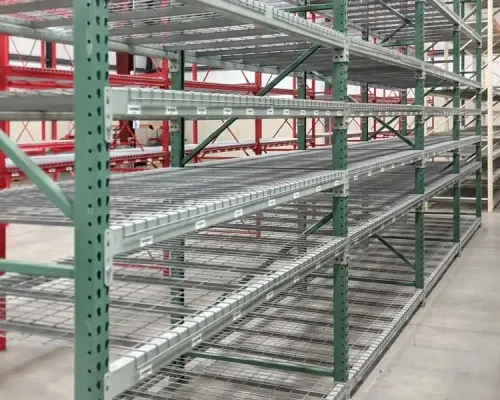
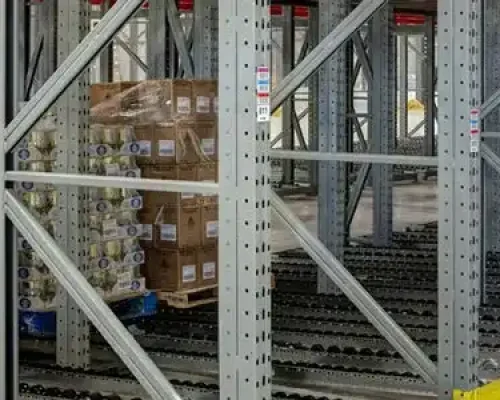
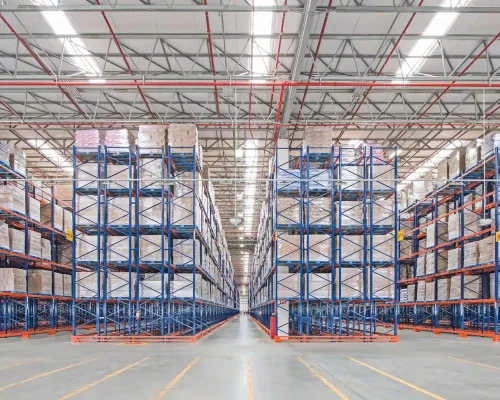
Transform unused overhead space into valuable storage or work areas directly above your existing pallet racks.

Custom Solution
Our mezzanine systems are custom-designed to match your specific operational requirements, load demands, and facility layout.

Cost Savings
Our designs integrate seamlessly, eliminating the need for costly additional support columns or foundations.

Additional Space
Gain substantial new space for inventory overflow, assembly lines, packing stations, or office areas
Types of Mezzanine Floor

Industrial Mezzanine Floor
Aceally can help you maximize the available space in your current facility....
Send Inquiry Now
Office Mezzanine Floors
By building upwards, you can expand your operational capacity without the high...
Send Inquiry NowWhat is a mezzanine floor made of?
A mezzanine floor is an intermediate level built within a structure, commonly used to maximize space in places like warehouses, offices, or retail settings. This type of flooring relies on a system of four fundamental components that work together to ensure durability, safety, and practicality.
These essential parts include columns, primary beams, secondary purlins, and decking, each contributing to the mezzanine’s ability to serve its intended purpose effectively.


How is a Mezzanine Floor Accessed?
A variety of methods exist to ensure the safe and efficient movement of both people and goods to and from a mezzanine floor, with the best approach depending on the specific activities taking place on this intermediate level. Whether it’s a storage area in a warehouse, an office space, or a retail display, the access solution must match the purpose. Common options include:
Stairs
Ideal for human access, stairs are a practical and cost-effective choice. They should feature sturdy handrails and slip-resistant treads to prioritize safety, especially in high-traffic areas.
Goods Lifts
For transporting heavier or bulkier items, a dedicated goods lift or freight elevator offers a reliable solution. These are perfect for frequent deliveries or large stock movements.
Hoists or Pulley Systems
Lightweight goods can be moved using manual or powered hoists, providing a simple option for smaller operations without the need for extensive installation.
Conveyor Belts
In industrial environments where goods need to flow continuously, conveyor systems can streamline the process, boosting efficiency for high-volume transport.
Each method should comply with local safety regulations and building codes to protect users and maintain functionality, ensuring mezzanine floor access is both practical and secure.
Mezzanine Floor Design
A critical component of designing a mezzanine floor is grasping the weight it must support. Various factors contribute to assessing this load, such as the number of people present on the floor, the inclusion of storage solutions like pallet racks or shelves, and the specific equipment employed for material transport.
These elements are vital for calculating the floor’s standard deflection, which indicates how much the floor flexes under pressure.

Mezzanine Floors Applications


Mezzanine Floors: Addressing Common Queries
Does A Mezzanine Floor Count As A Storey?
A mezzanine floor is typically not classified as a full storey in a building. Unlike a traditional storey, which includes a complete floor and ceiling to form a distinct level, a mezzanine is only a partial floor, often open to the area below it.
This lack of full separation means it doesn’t usually qualify as a separate level in the conventional sense. That said, the answer can depend on local regulations. To get a definitive answer, it’s wise to check with local authorities or a building expert familiar with the rules in your area.
How Much Does A Mezzanine Floor Cost?
The price of installing a mezzanine floor can vary quite a bit, depending on a range of factors. Things like the size of the mezzanine, the materials chosen (think steel, wood, or concrete), and how complicated the installation process is all play a role in determining the final cost.
Other variables, such as your location, local labor rates, and extras like stairs or railings, can also affect the price tag. While a small, simple mezzanine might cost just a few thousand dollars, a larger or more customized setup could climb into the tens of thousands. For a precise figure, reaching out to contractors for tailored quotes based on your project’s specifics is the best approach.
How Big Can A Mezzanine Floor Be?
The size of a mezzanine floor isn’t set in stone—it can range from a compact platform for storage or equipment to a broad expanse covering much of the main floor below.
There are limits to how big it can get. Structurally, the building’s framework and weight capacity will dictate what’s possible, as the mezzanine needs to be safely supported.
To nail down the maximum size for your space, working with an architect or structural engineer is key to balancing design goals with safety and compliance.
Why Is It Called A Mezzanine Floor?
The name “mezzanine” comes from the Italian word mezzano, which means “middle.” It’s a fitting label since a mezzanine floor sits in an intermediate position between two main floors, adding space without creating a full new level.
Can A Mezzanine Floor Be Enclosed?
Absolutely, a mezzanine floor can be either open or enclosed—it all depends on what you need it for and how you want it to look.
An open mezzanine, with just railings or low barriers, keeps things airy and connected to the space below, making it great for lofts, showrooms, or anywhere you want a spacious feel.
Conversely, enclosing it with walls (and maybe a door) creates a more private, self-contained area, perfect for offices, quiet zones, or storage.