

In the fast-paced logistics environment, businesses are constantly seeking ways to maximize their warehouse space without compromising organization or accessibility. One effective strategy is implementing mixed-use storage with pallet racking systems, which seamlessly integrate various inventory types—from large pallets to small items—in a single facility. This approach not only optimizes floor space but also enhances operational processes, reduces processing time, and improves overall productivity.
In this guide, we’ll explore the basics of mixed-use storage warehouse planning, drawing on industry best practices to help you create a scalable, efficient setup.
Understanding the Basics of Mixed-Use Storage in Warehouses
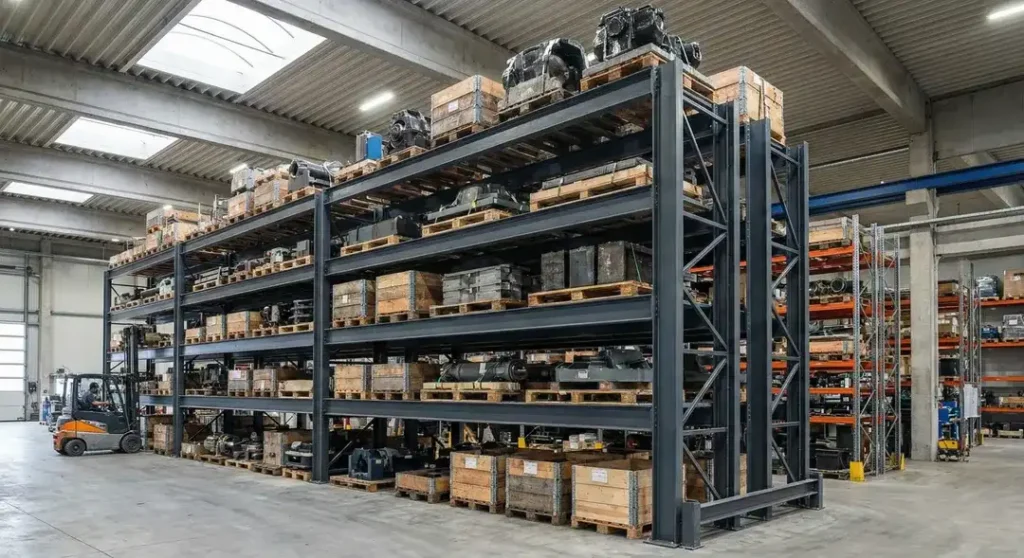
Mixed-use storage refers to a versatile warehousing model where different types of goods can coexist within the same racking infrastructure. While traditional single-use storage can lead to inefficient space utilization and increased costs, pallet racking systems offer a flexible alternative. These systems, typically constructed from durable steel frames, support standardized pallets while allowing for customization to meet varying load requirements.
Why is this relevant today? With the growth of e-commerce and supply chain disruptions, warehouses are facing increasing pressure to manage fluctuating inventory levels. According to recent industry reports from organizations such as the Material Handling Industry (MHI), companies using mixed-use storage solutions report a 30% increase in space utilization. By mixing pallet racking with shelving or mezzanines, you can adapt to these needs without undergoing a major renovation.
Key Advantages of Integrating Pallet Racking for Diverse Needs
Adopting pallet racking systems in a mixed-use environment isn’t just about stacking boxes—it’s about creating a dynamic ecosystem. Here are some standout benefits:
- Space Maximization: Vertical storage turns unused overhead areas into functional zones, ideal for combining pallet loads with lighter stock.
- Improved Inventory Management: Easy access to both bulk and individual items reduces picking errors and speeds up order fulfillment.
- Cost Efficiency: Modular designs mean you can scale as your business grows, avoiding the need for frequent renovations.
- Safety Enhancements: Properly planned systems include features like seismic bracing and load limits, minimizing risks in multi-use setups.
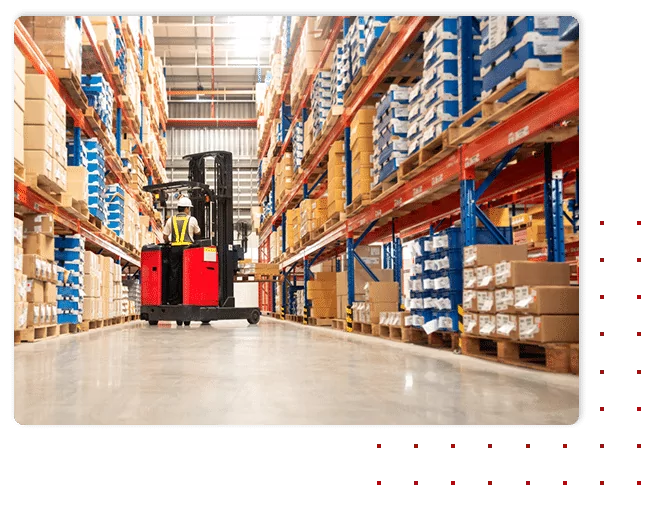
To visualize this, consider a simple comparison of storage approaches:
| Storage Type | Space Utilization | Flexibility for Mixed Inventory | Initial Setup Cost |
|---|---|---|---|
| Traditional Floor Storage | Low (50-60%) | Limited | Low |
| Single-Use Pallet Racking | Medium (70-80%) | Moderate | Medium |
| Mixed-Use Pallet Racking | High (85-95%) | High | Medium-High |
Step-by-Step Planning Process for Effective Mixed-Use Implementation
Planning a pallet racking system for mixed-use storage requires a methodical approach. Rushing into installation can lead to inefficiencies or safety issues, so start with a thorough assessment.

1. Assess Your Warehouse Layout and Inventory Needs
Begin by mapping out your current space. Measure dimensions, identify high-traffic areas, and catalog your inventory. What percentage is palletized? How much requires selective access versus bulk storage?
- Conduct a Space Audit: Use tools like CAD software to create a digital floor plan. Factor in aisles (aim for 10-12 feet wide for forklift maneuverability) and vertical clearance (typically 15-20 feet for standard racking).
- Inventory Analysis: Categorize items by size, weight, and turnover rate. For instance, fast-moving goods should be at eye level in the racking, while slow-movers go higher up.
2. Select the Right Pallet Racking Configuration
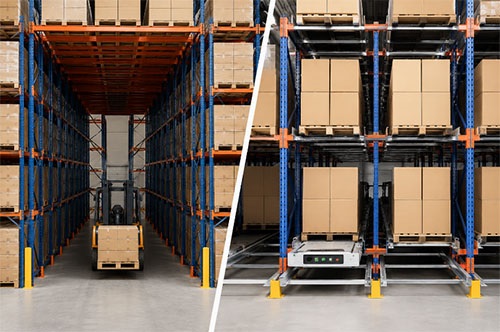
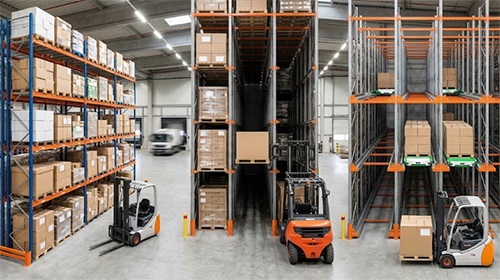
Not all pallet racking systems are created equal. For mixed-use storage, opt for versatile options like selective pallet racking, which provides direct access to every pallet, or drive-in racking for denser, less accessible bulk storage.
- Selective Racking: Ideal for diverse SKUs; 90-95% selectivity but lower density.
- Push-Back or Flow Racking: Great for mixing FIFO (first-in, first-out) needs with pallet loads.
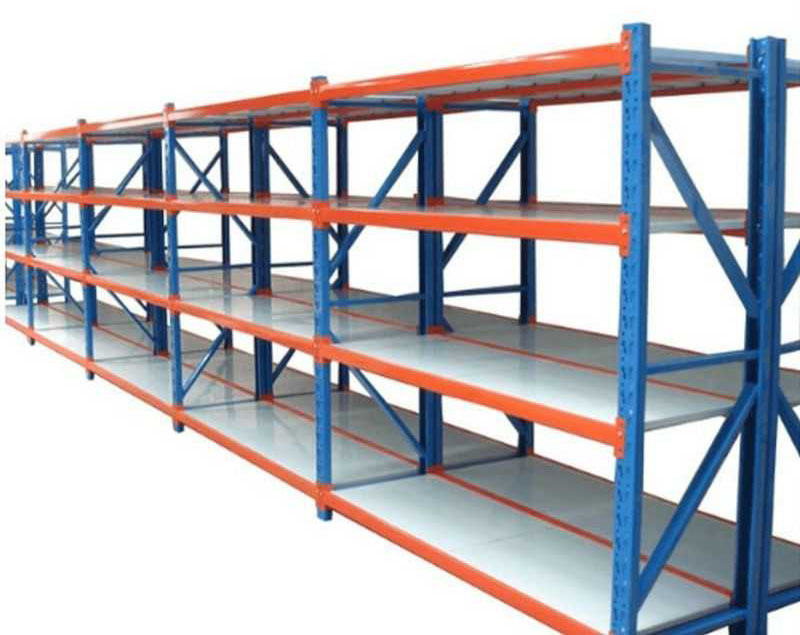
- Hybrid Integrations: Combine with wire decks for small parts or cantilever arms for odd-shaped items.
When choosing, consider load capacities—standard beams support 2,000-5,000 lbs per level. Always prioritize systems certified by standards like RMI (Rack Manufacturers Institute) for durability.
3. Integrate Safety and Workflow Considerations
Safety is non-negotiable in warehouse planning. Design your pallet racking to include guardrails, column protectors, and clear signage. For mixed-use setups, segregate zones to prevent cross-contamination—e.g., separate perishables from dry goods.
Workflow optimization involves simulating operations:
- Map picker routes to minimize travel time.
- Incorporate automation like conveyor integrations if your budget allows.
A quick checklist for this phase:
- Verify floor load-bearing capacity (at least 1,000 psf for heavy racking).
- Plan for fire suppression systems around racking heights.
- Train staff on proper loading techniques to avoid imbalances.
4. Budgeting and Implementation Timeline
Factor in costs: Expect $50-150 per pallet position for basic pallet racking, plus installation fees. For a 10,000 sq ft warehouse, a full mixed-use overhaul might run $100,000-$300,000, depending on customizations.
Real-World Applications and Case Studies
To illustrate, let’s look at a hypothetical scenario based on common industry examples. A mid-sized e-commerce distributor revamped their 20,000 sq ft facility using pallet racking systems for mixed-use storage. They integrated selective racking for electronics with drive-in for seasonal apparel. Results? A 40% increase in throughput and 25% reduction in labor costs within the first year.
Another example: Food and beverage warehouses often blend palletized cans with shelved packaging. By zoning the racking, they ensure temperature controls don’t interfere, maintaining product integrity.
These cases underscore the adaptability of pallet racking in diverse sectors, from manufacturing to retail.
Common Challenges and How to Overcome Them
Even with solid planning, hurdles arise. Overcrowding can occur if inventory forecasts are off—mitigate this with scalable modular racking that allows easy expansion.
Maintenance is another area: Dust buildup in mixed-use environments can compromise stability, so schedule quarterly inspections. For tech-savvy operations, IoT sensors on racks can monitor loads in real-time, alerting to issues proactively.
If you’re dealing with irregular items, customize with accessories like dividers or mesh decks to prevent falls.
Conclusion
As warehouses evolve with AI-driven logistics and sustainable practices, forward-thinking warehouse planning incorporates eco-friendly materials (e.g., recycled steel racking) and energy-efficient lighting in racking aisles. Stay ahead by regularly reviewing your setup—annual audits can reveal opportunities for further optimization.
Designing mixed-use storage with pallet racking systems transforms your warehouse from a static space into a dynamic asset. By following these steps—assessing needs, selecting configurations, prioritizing safety, and planning for growth—you’ll achieve greater efficiency and scalability.