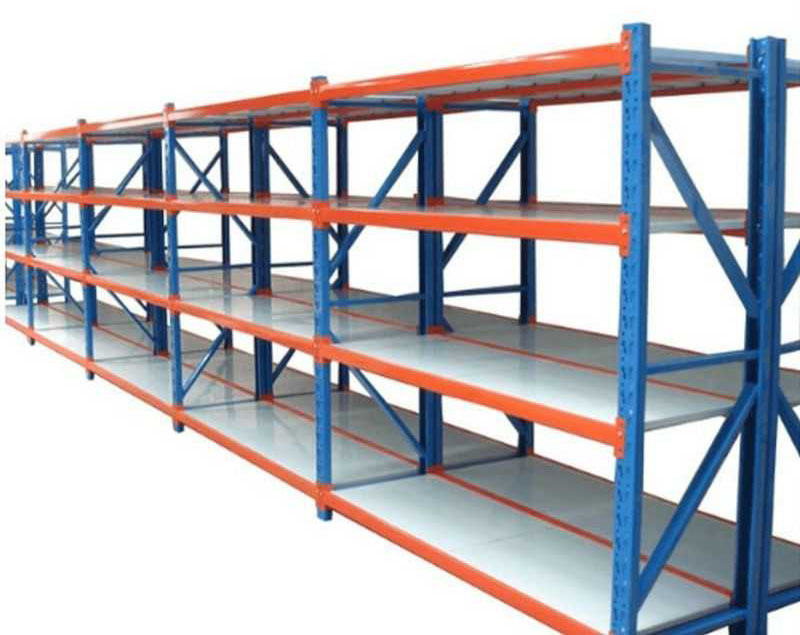


Push-back pallet racking is a high-density storage solution that cleverly combines the high density of drive-in racking with the higher picking accuracy for picking racks that need to store multiple pallets of the same SKU but don’t want to occupy a lot of space.
However, it’s important to note that, like any specialized equipment, its superior efficiency depends on proper use. Any small mistake in planning, operation, or maintenance can turn your investment into a bottleneck, or worse, create safety hazards.
We will delve into the eight most common mistakes people make when using push-back pallet racking systems, and more importantly, we will show you how to completely avoid these mistakes.
Mistake #1: Inconsistent or Damaged Pallets
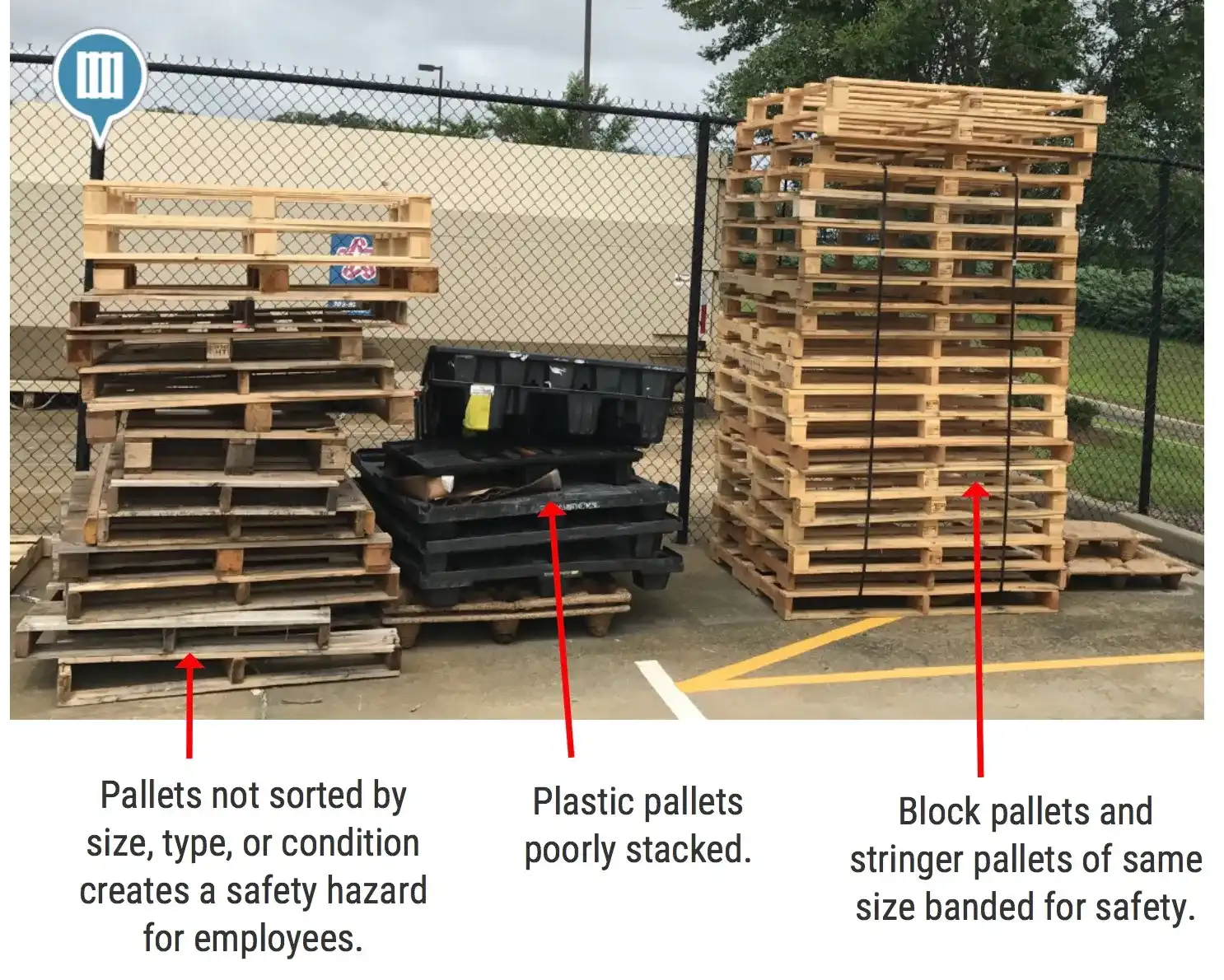
The pallets are the components that feed into it, and the carts are the mechanism. If you feed it faulty components, the machine will jam. This is, without a doubt, the most frequent and disruptive mistake.
The carts in a push back system are designed to glide smoothly on inclined rails. They expect a standard, stable base. When you introduce a poor-quality pallet, you’re inviting trouble.
- Damaged Pallets: A pallet with broken bottom boards, protruding nails, or a cracked stringer can easily snag on a cart or rail. This can cause the pallet to get stuck deep within the lane, creating a nightmare scenario for retrieval.
- Inconsistent Pallet Sizes: Push back systems are designed around a specific pallet dimension. Using a pallet that is too wide, too narrow, or has an unconventional bottom design can cause it to sit improperly on the cart, leading to instability.
Mistake #2: Improper Installation and Anchoring
A push back pallet racking system is a heavy-duty industrial structure that supports tens of thousands of pounds. A mistake during installation doesn’t just reduce efficiency; it’s a catastrophic safety risk.
- Uneven Floors: The entire system relies on a slight, precisely calculated incline for gravity to do its work. If the system isn’t installed perfectly level and plumb on a flat concrete slab, the carts won’t flow correctly. They might move too fast, too slow, or get stuck.
- Inadequate Anchoring: The forces exerted during loading and unloading are immense. If the rack uprights are not properly anchored to the floor using the specified hardware, the entire structure can shift or even collapse over time.
- Incorrect Assembly: Push back systems have specific components like cart stops, rails, and connectors that must be installed in a precise order. Taking shortcuts or using inexperienced installers can lead to a fundamentally flawed and unsafe structure.
Always use a team of certified, experienced, and insured professional rack installers. They have the tools and expertise to ensure your floor is suitable, the system is perfectly level and plumb, and every single anchor and bolt is secured to manufacturer specifications.

Mistake #3: Overloading the System
Every racking system has a clearly defined weight capacity, and push back racking is no different. These limits are not suggestions; they are engineered maximums calculated for safety. Ignoring them is gambling with your inventory and your people.
- Exceeding Pallet Position Capacity: Each cart and rail position is rated for a maximum pallet weight. Overloading a single position can damage the cart’s wheels or bend the rails.
- Exceeding Bay Capacity: Just as important is the total weight capacity of the entire bay (all levels combined). Consistently overloading bays can cause beams to deflect (bow) or upright frames to fail.
First, know your load capacities—per pallet position and per bay. Second, make them visible. Apply high-visibility capacity plaques to the end of every aisle. Train your forklift operators to always verify the pallet weight against the rack’s capacity before lifting and loading.
Mistake #4: Improper Forklift Operation
The interaction between the forklift and the push back rack is a delicate dance. Improper technique is a leading cause of damage to both the product and the racking system itself.
The Speed Controlled
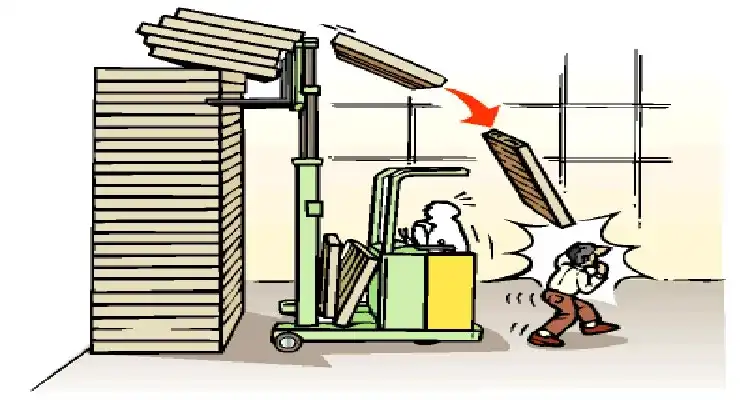
Pushing a pallet into the lane too quickly creates a massive amount of momentum. When the new pallet hits the cart stack, the impact can be jarring, potentially dislodging the pallets already in the lane or damaging the cart stops at the back.
Misaligned Pushes
The goal is to push the pallet in the center to apply even pressure. If the operator pushes on one side, the cart can twist or “crab” on the rails, causing it to jam. The pallet being loaded should also be level and squared up to the bay before pushing.
The Abrupt Stop and Slam
When unloading, the operator should gently lift the front pallet and back out slowly, allowing gravity to bring the subsequent pallets forward. Backing out too quickly can cause the rear pallets to slam into the front stops, which can damage the stops and potentially shift the product on the pallet.
Training, training, and more training. Forklift operators must be specifically trained on the unique dynamics of a push back pallet racking system. They need to understand the concepts of controlled speed, centered pushing, and gradual retrieval. Practice makes perfect. Consider designating specific, highly-trained operators for your push back racking areas.
Mistake #5: Skipping Inspections and Maintenance
Your push back rack is a dynamic system with moving parts. Carts roll, bearings turn, and stops absorb impacts.
- Debris Buildup: A stray piece of shrink wrap, a chip from a broken pallet, or accumulated dust can jam a cart wheel and stop an entire lane from functioning.
- Component Wear: Over time, wheels can wear down, bearings can seize, and cart frames can get bent from minor impacts.
- Hidden Damage: A small dent in an upright from a minor forklift collision might seem insignificant, but it can compromise the structural integrity of the entire frame.
Implement a proactive maintenance and inspection schedule.
- Daily: Operators should perform a quick visual check of the bays they are using for any obvious issues.
- Weekly: Have a supervisor or lead walk the aisles, specifically looking for debris in the rails and any visible damage.
- Annually: Schedule a professional rack inspection. An expert can identify subtle damage, wear and tear, and potential safety hazards that an untrained eye might miss.
Mistake #6: Poor System Design and Warehouse Integration
- Wrong Depth: A 5-deep push back system sounds great for density, but if you only ever receive 3 pallets of a given SKU at a time, you’ll have “honeycombing” (unusable empty space) and lose all the density benefits.
- Ignoring Product Flow: Placing your push back racking for fast-moving goods far from the shipping docks creates unnecessary travel time for your forklifts, killing efficiency.
- Insufficient Aisle Space: While push back racking reduces the number of aisles, the aisles you do have must be wide enough for your forklifts to maneuver safely and efficiently, especially for turning to enter the bay squarely.
Partnering with Aceally, the manufacturer of warehousing systems. They will perform a thorough analysis of your inventory (SKU velocity, inventory on hand) and your operational workflow to design a push back racking layout that is tailored to your specific needs.
Mistake #7: Misunderstanding the LIFO Principle
Push back racking operates on a LIFO (Last-In, First-Out) basis. The last pallet you load into a lane is the first one you have access to. This is a fundamental characteristic, not a flaw, but using it for the wrong type of product is a critical error.
- Expired or Obsolete Products: If you store products with an expiration date (like food, beverages, or pharmaceuticals) in a deep push back lane, the pallets at the back might expire before you can ever reach them.
- Batch Integrity Issues: For products where tracking specific production batches is critical, LIFO can make it impossible to retrieve an older batch without first unloading all the newer ones in front of it.
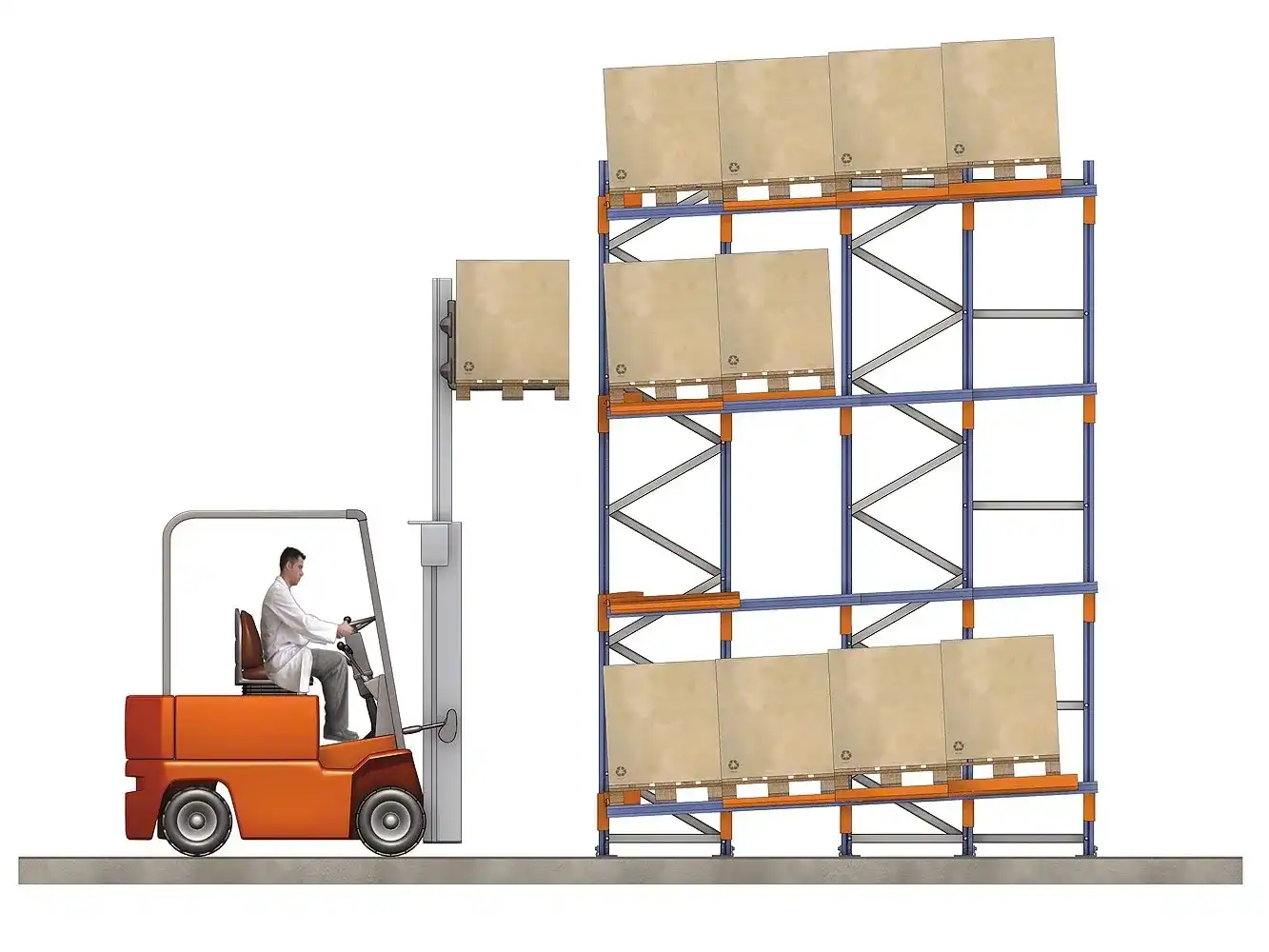
Understand and embrace LIFO. Use your push back racking for products that are not sensitive to expiration dates or batch rotation. It’s ideal for bulk-stored goods, raw materials, and high-volume consumer products where the specific age of the unit doesn’t matter. For your FIFO-critical (First-In, First-Out) products, use a different system like selective or pallet flow racking.
Mistake #8: Inadequate Operator Training
The final, and perhaps most crucial, mistake is assuming that any certified forklift operator can effectively use a push back system without specific training. The skills required are different from operating in a standard selective rack environment.
- System Damage: As mentioned in Mistake #4, untrained operators are the number one cause of damage to carts, rails, and frames.
- Reduced Throughput: An operator who is hesitant or unsure how to properly engage the carts will work much slower, negating the efficiency gains you invested in.
- Safety Incidents: A lack of understanding of the system’s dynamics can lead to unstable loads, jammed pallets, and increased risk of accidents.
Implement a mandatory, hands-on training and certification program for any operator who will be working in the push back racking area. This training should be conducted by an experienced professional and cover:
- The mechanics of how the system works.
- Proper loading techniques (centering, speed control).
- Proper unloading techniques (slow, controlled backing).
- How to identify a jammed cart or a damaged pallet.
- Emergency procedures for retrieving a stuck pallet.
By investing in proper training, you empower your team to work safely, efficiently, and to be the first line of defense in protecting your racking investment.

Frequently Asked Questions (FAQ)
Q: What Is Push Back Pallet Racking and How Does It Work?
Push back pallet racking is a high-density storage system that allows you to store pallets 2 to 6 deep on a single lane. It works using a series of nested carts that ride on inclined rails.
- Loading: A forklift places the first pallet on the top cart. To load the second pallet, the forklift driver gently pushes the first pallet back, revealing the next cart. This process is repeated until the lane is full.
- Unloading: When the front pallet is removed, gravity causes the pallets and carts behind it to gently glide forward to the picking face. It operates on a LIFO (Last-In, First-Out) principle.
Q: Why Should You Consider Push Back Pallet Racking?
You should consider it for several key benefits:
- High Storage Density: It can dramatically increase your warehouse storage capacity compared to standard selective racking by reducing the number of required aisles.
- Good Selectivity: Unlike drive-in racking, every lane holds a different SKU, so you have access to a much wider variety of products from the aisle.
- Increased Efficiency: Operators work from a single aisle for both loading and unloading, reducing travel time and increasing pick rates.
- Durability and Safety: Forklifts never enter the racking structure itself, which significantly reduces the risk of upright damage compared to drive-in systems.
Q: When to Use Push Back Pallet Racking in Your Warehouse?
Push back racking is an ideal solution for specific scenarios:
- When you have multiple pallets (typically 3-10) of the same SKU.
- For products with medium turnover that don’t require strict FIFO rotation.
- In facilities with limited space where maximizing storage density is a top priority.
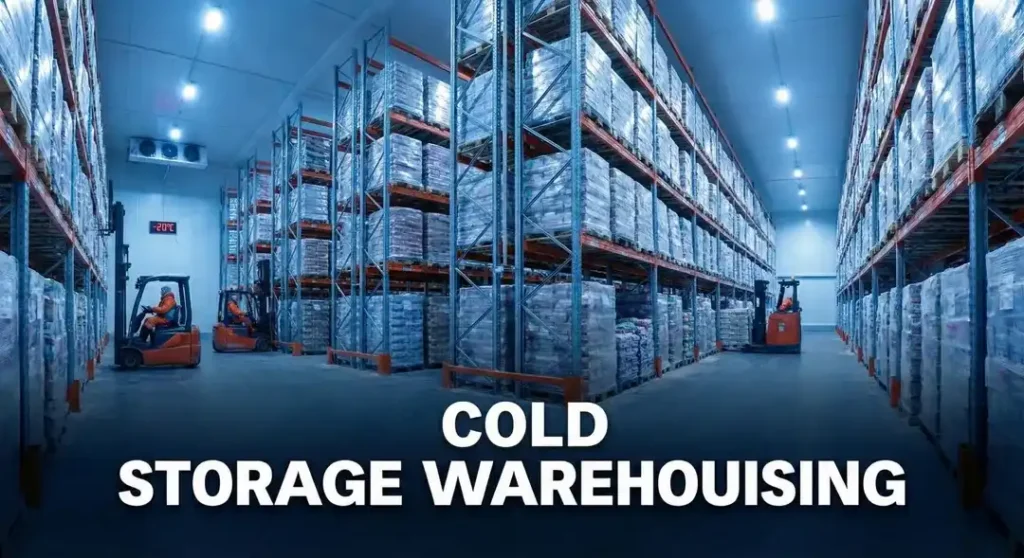
- In coolers and freezers, where space is at a premium and expensive to maintain.
- For bulk storage of non-perishable goods, manufacturing components, or finished products.
Q: Where to Install Push Back Pallet Racking for Optimal Efficiency?
The placement within your warehouse is crucial. For optimal efficiency, install push back racking in a location that complements your overall product flow. For example, systems holding raw materials should be located near the production area, while systems holding fast-moving finished goods should be positioned close to the shipping and receiving docks to minimize forklift travel time. The layout should also ensure adequate aisle width for safe forklift operation.
Q: Who Can Benefit from Push Back Pallet Racking Systems?
- Third-Party Logistics (3PL) Providers: Who need flexible, dense storage for a variety of clients’ products.
- Food and Beverage Distributors: For non-perishable items like canned goods, bottled drinks, and packaged snacks.
- Manufacturing Facilities: For storing raw materials or finished goods in bulk.
- Retail and E-commerce Distribution Centers: To handle large quantities of popular SKUs.
- Cold Storage Warehouses: Where maximizing every square foot of refrigerated space is critical to controlling energy costs.